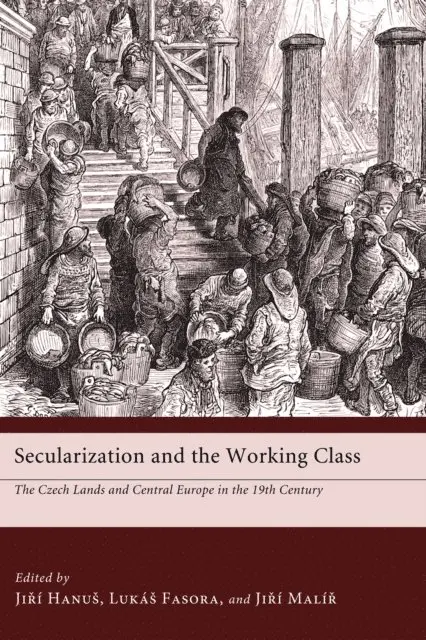
Secularization and the Working Class brings together contributions from thirteen Central European historians who have taken a long-term interest in the issue of the secularization of modern society and social issues affecting the working class. By using contemporary historical methods they have researched the theoretical aspects of secularization theories as well as individual cases which illustrate Czech developments within the framework of the Austrian monarchy. These cases touch upon working conditions, working-class organizations and political parties, cultural life and means of communication. Among other things they present the conflicts that led to rifts within society. This representative collection of texts is will appeal to historians of modern history interested in the fascinating issues of European development, all those who are interested in the living conditions of the working class in the 19th and 20th centuries.
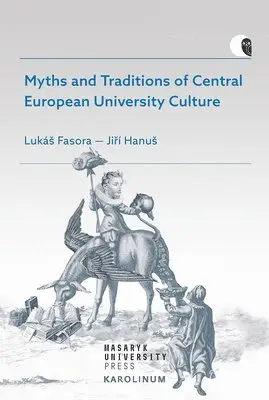
By examining the myriad myths surrounding Central European universities, Czech historians Lukáš Fasora and Jiří Hanuš take a diachronic approach to investigating the issues facing higher learning in the region. Using careful historical research, the authors point out vast discontinuities, comparing how the philosophy of education from the Middle Ages to the nineteenth century has changed and how this evolution relates to the current administrative goals of higher education. As they confront the history and myths of university education, the authors do not shy away from exploring difficult questions, such as whether political and economic influences have completely transformed the goals and structure of today’s universities in Central Europe. Though focused on university systems in a specific geographic region, the findings have wide-ranging implications for higher education the world over.