2 136 kr
Skickas inom 10-15 vardagar
2 136 kr
Skickas inom 10-15 vardagar
576 kr
Skickas inom 10-15 vardagar
183 kr
Skickas inom 3-6 vardagar
311 kr
Skickas inom 3-6 vardagar
225 kr
Skickas inom 7-10 vardagar
153 kr
Skickas inom 7-10 vardagar
676 kr
Läs direkt efter köp
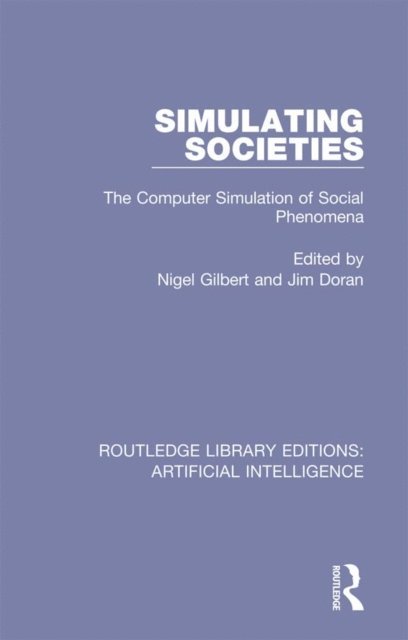
The most exciting and productive areas of academic inquiry are often where the interests of two disciplines meet. This is certainly the case for the subject of this book, originally published in 1994, which explores the contribution that computer-based modelling and artificial intelligence can make to understanding fundamental issues in social science.
Simulating Societies shows how computer simulations can help to clarify theoretical approaches, contribute to the evaluation of alternative theories, and illuminate one of the major issues of the social sciences: how social phenomena can "emerge" from individual action. The authors discuss how simulation models can be constructed using recently developed artificial intelligence techniques and they consider the methodological issues involved in using such models for theory development, testing and experiment. The introductory chapters situate the book within social science, and suggest why the time was ripe for significant progress, before defining basic terminology, showing how simulation has been used to theorize about organizations, and indicating through examples some of the fundamental issues involved in simulation. The main body of the text provides case studies drawn from economics, anthropology, archaeology, planning, social psychology and sociology.
The appeal of this path-breaking book was twofold. It offered an essential introduction to simulation for social scientists and it provided case study applications for computer scientists interested in the latest advances in the burgeoning area of distributed artificial intelligence (DAI) at the time.
661 kr
Läs direkt efter köp
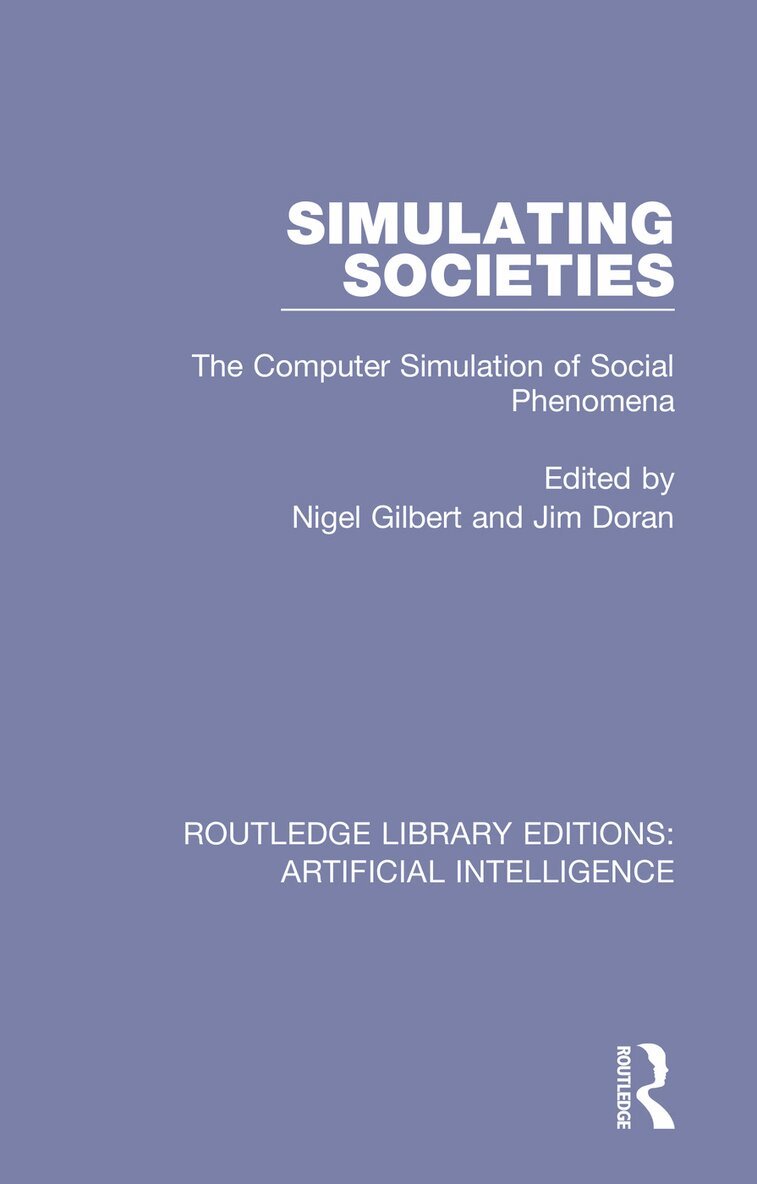
The most exciting and productive areas of academic inquiry are often where the interests of two disciplines meet. This is certainly the case for the subject of this book, originally published in 1994, which explores the contribution that computer-based modelling and artificial intelligence can make to understanding fundamental issues in social science.
Simulating Societies shows how computer simulations can help to clarify theoretical approaches, contribute to the evaluation of alternative theories, and illuminate one of the major issues of the social sciences: how social phenomena can "emerge" from individual action. The authors discuss how simulation models can be constructed using recently developed artificial intelligence techniques and they consider the methodological issues involved in using such models for theory development, testing and experiment. The introductory chapters situate the book within social science, and suggest why the time was ripe for significant progress, before defining basic terminology, showing how simulation has been used to theorize about organizations, and indicating through examples some of the fundamental issues involved in simulation. The main body of the text provides case studies drawn from economics, anthropology, archaeology, planning, social psychology and sociology.
The appeal of this path-breaking book was twofold. It offered an essential introduction to simulation for social scientists and it provided case study applications for computer scientists interested in the latest advances in the burgeoning area of distributed artificial intelligence (DAI) at the time.

343 kr
Skickas inom 7-10 vardagar
36 kr
Läs direkt efter köp
677 kr
Skickas inom 7-10 vardagar
342 kr
Skickas inom 7-10 vardagar
60 kr
Läs direkt efter köp
254 kr
Skickas inom 7-10 vardagar
Tales of Dracula and his ilk ...
203 kr
Skickas inom 7-10 vardagar
55 kr
Läs direkt efter köp
68 kr
Kommande