One of the traps in the spiritual life is assuming that things will happen miraculously in one dramatic, unrepeatable moment. The authors illustrate the “slow work of God” (Teilhard de Chardin), an unfolding of God’s plan for our lives over time, as a much more helpful and humanising way to look at faith. Using details from the life of St Ignatius Loyola. The 7 stages of Ignatius’ life that reflect this slow process of growth in the Spirit are:Lack of awareness and superficial religion (being ‘asleep’: his life as a courtier & soldier); Waking up (his dreams shattered at Pamplona, the painful convalescing at Loyola); Extremes (initial over-enthusiasm of being a pilgrim on the road to Manresa); Eyes Opened (deepening in faith at Montserrat, Manresa & the Cave); Gaining wisdom (beginning again, studying in Barcelona); Gathering a group (spiritual conversations about what to do, deliberations in Venice & Rome) and Embracing leadership (going against his pilgrim instincts to head up the Society in Rome)The Ignatian spirituality points from each are drawn out and explained in imagined conversations with God, reflections, scripture pieces and real-life applications. The authors have established a very popular style of conveying the essentials of Ignatian spirituality and readers will find the book both accessible and enjoyable.
Modern lives can be very busy, saturated by technology and media, but there isn't always time for happiness. As this book proves, it is the time out, the ability to look back and understand life events that brings about deeper, more satisfying living. Life is difficult but not impossible, and can be rich and fulfilling. Difficult situations of conflict, stress and worry arise, as do pleasant situations, but there are ways through the challenges. It is essential to believe that there is something positive in everything, that God is in it somewhere, and that we can get through with help. The spirituality of St Ignatius teaches us that God holds us close, loves us and desires the best for us. It is a solid foundation that we can build our lives on, it is an anchor in the storms of life, and it brings me though even the darkest hours. These mediations can be used by readers as a daily prayer source, for morning, daytime or evening prayer. They are also ideal for parish groups who might read a reflection and then come together for discussion. The book's accessibility makes it an excellent step on the spiritual path for someone seeking or returning to acknowledge God in their lives. In this way it would make a perfect gift for someone inviting another to consider "God in all things".
At the darkest hour the dawn arrives again anew, just like always, but we forget so easily. This post-pandemic world of uncertainty, drought, war and death is not the end. It’s not all of reality as it proposes to be but just a temporary place of growth and purification. We need to be open to learn about humility, compassion and grace. A person, the Christ, has lifted us up. Our true destiny is revealed, to be with the Light, breaking open the clouds of weary, often isolated existence.Emerging from the Mess is essentially the experience of how suffering and pain alternates with great joy and fulfilment. Especially when we reach the limits of our strength and endurance (Richard Rohr calls this ‘liminal space’), we need to remember to hang on, to be patient and faithful in prayer. This book’s challenge is to live every day like a resurrection day. It is all about gratitude: to see the absolute giftedness of every moment, the wonder of every encounter, the silver lining on every cloud. We have structured this book in sections to mirror this exact same process of desolation to hope, darkness to light, and 11th hour rescue from death into resurrection.
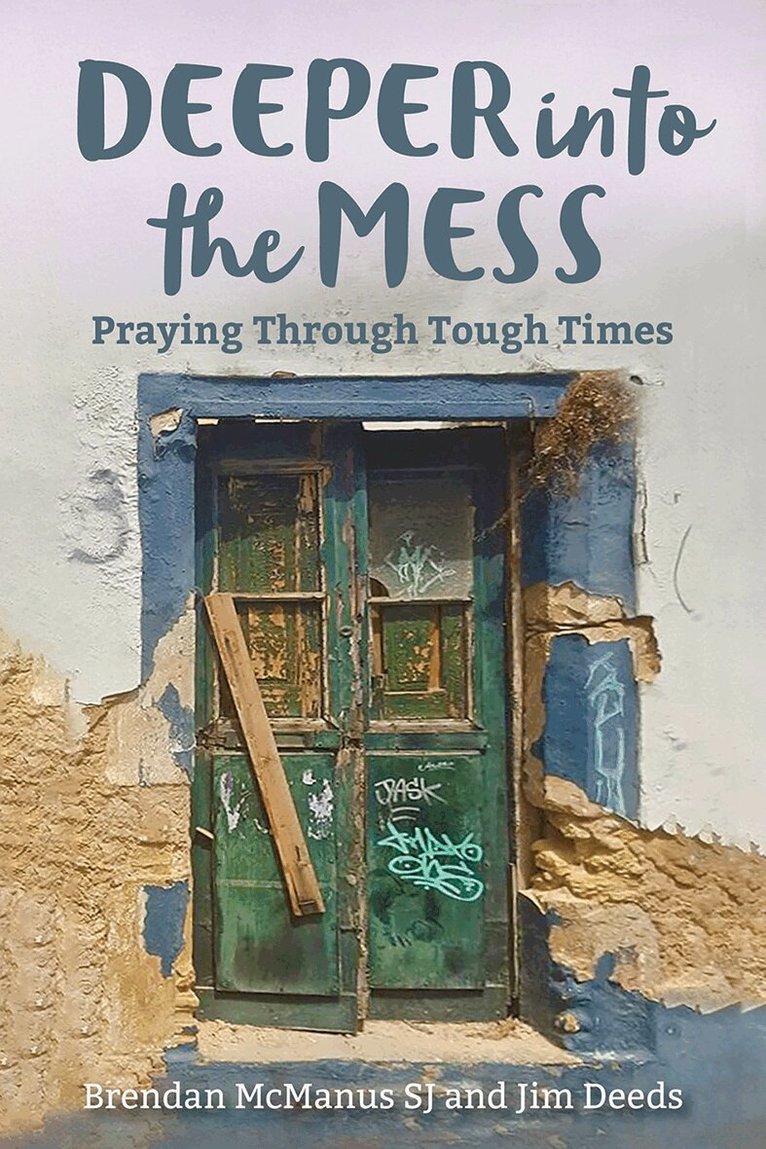
This is the eagerly awaited follow up to the best selling, Finding God in the Mess. In this new collection the authors address tough issues such as fear, anxiety, suicide, anger etc. They have received much feedback from workshops based on the first book, and these are some of the topics on which people have asked for help. As well as offering a meditation or a way of praying, in the book the authors suggest scripture and a simple ritual. Once again the book is based on Jim and Brendan's own unique combination of practical prayer and Ignatian spirituality. Like the previous volume, this book is illustrated with their beautiful photographs. This is sure to fly off the shelves.