2 760 kr
Skickas inom 10-15 vardagar
2 760 kr
Skickas inom 10-15 vardagar
904 kr
Skickas inom 10-15 vardagar
4 023 kr
Skickas inom 7-10 vardagar
1 449 kr
Skickas inom 7-10 vardagar
889 kr
Skickas inom 7-10 vardagar
482 kr
Skickas inom 7-10 vardagar
727 kr
Skickas inom 7-10 vardagar
2 515 kr
Skickas inom 10-15 vardagar
1 022 kr
Läs direkt efter köp
1 022 kr
Läs direkt efter köp
1 051 kr
Läs direkt efter köp
Seventeenth-century philosophy scholars come together in this volume to address the Insiders--Descartes, Spinoza, Leibniz, Locke, and Hobbes--and Outsiders--Pierre Gassendi, Kenelm Digby, Theophilus Gale, Ralph Cudworth and Nicholas Malebranche--of the philosocial canon, and the ways in which reputations are created and confirmed. In their own day, these ten figures were all considered to be thinkers of substantial repute, and it took some time for the Insiders to come to be regarded as major and original philosophers. Today these Insiders all feature in the syllabi of most history of philosophy courses taught in western universities, and the papers in this collection, contrasting the stories of their receptions with those of the Outsiders, give an insight into the history of philosophy which is generally overlooked.
1 051 kr
Läs direkt efter köp
Seventeenth-century philosophy scholars come together in this volume to address the Insiders--Descartes, Spinoza, Leibniz, Locke, and Hobbes--and Outsiders--Pierre Gassendi, Kenelm Digby, Theophilus Gale, Ralph Cudworth and Nicholas Malebranche--of the philosocial canon, and the ways in which reputations are created and confirmed. In their own day, these ten figures were all considered to be thinkers of substantial repute, and it took some time for the Insiders to come to be regarded as major and original philosophers. Today these Insiders all feature in the syllabi of most history of philosophy courses taught in western universities, and the papers in this collection, contrasting the stories of their receptions with those of the Outsiders, give an insight into the history of philosophy which is generally overlooked.
1 090 kr
Skickas inom 7-10 vardagar
1 178 kr
Läs direkt efter köp
1 166 kr
Läs direkt efter köp
379 kr
Kommande
1 632 kr
Skickas inom 10-15 vardagar
2 111 kr
Läs direkt efter köp
905 kr
Skickas inom 7-10 vardagar
911 kr
Skickas inom 7-10 vardagar
685 kr
Skickas inom 7-10 vardagar
594 kr
Skickas inom 7-10 vardagar
853 kr
Läs direkt efter köp
725 kr
Läs direkt efter köp
748 kr
Läs direkt efter köp
904 kr
Skickas inom 11-20 vardagar
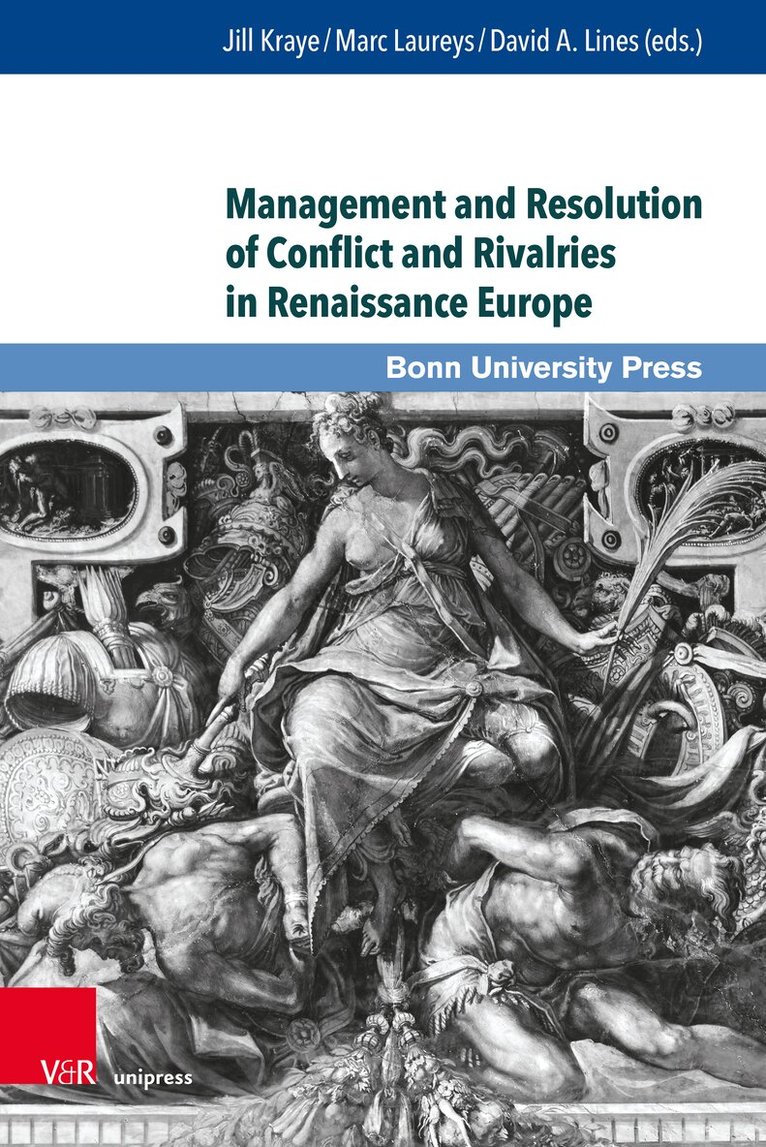
This volume is devoted to the spheres in which conflict and rivalries unfolded during the Renaissance and how these social, cultural and geographical settings conditioned the polemics themselves. This is the second of three volumes on ‘Renaissance Conflict and Rivalries’, which together present the results of research pursued in an International Leverhulme Network. The underlying assumption of the essays in this volume is that conflict and rivalries took place in the public sphere that cannot be understood as single, all-inclusive and universally accessible, but needs rather to be seen as a conglomerate of segments of the public sphere, depending on the persons and the settings involved. The articles collected here address various questions concerning the construction of different segments of the public sphere in Renaissance conflict and rivalries, as well as the communication processes that went on in these spaces to initiate, control and resolve polemical exchanges.
1 038 kr
Skickas inom 11-20 vardagar
Essays in Honour of Alastair Hamilton
2 088 kr
Skickas inom 7-10 vardagar
1 095 kr
Skickas inom 10-15 vardagar
1 502 kr
Läs direkt efter köp
Scientia is the term that early modern philosophers applied to a certain kind of demonstrative knowledge, the kind whose starting points were appropriate first principles. In pre-modern philosophy, too, scientia was the name for demonstrative knowledge from first principles. But pre-modern and early modern conceptions differ systematically from one another. This book offers a variety of glimpses of this difference by exploring the works of individual philosophers as well as philosophical movements and groupings of the period. Some of the figures are transitional, falling neatly on neither side of the allegiances usually marked by the scholastic/modern distinction. Among the philosophers whose views on scientia are surveyed are Hobbes, Descartes, Spinoza, Gassendi, Locke, and Jungius. The contributors are among the best-known and most influential historians of early modern philosophy.