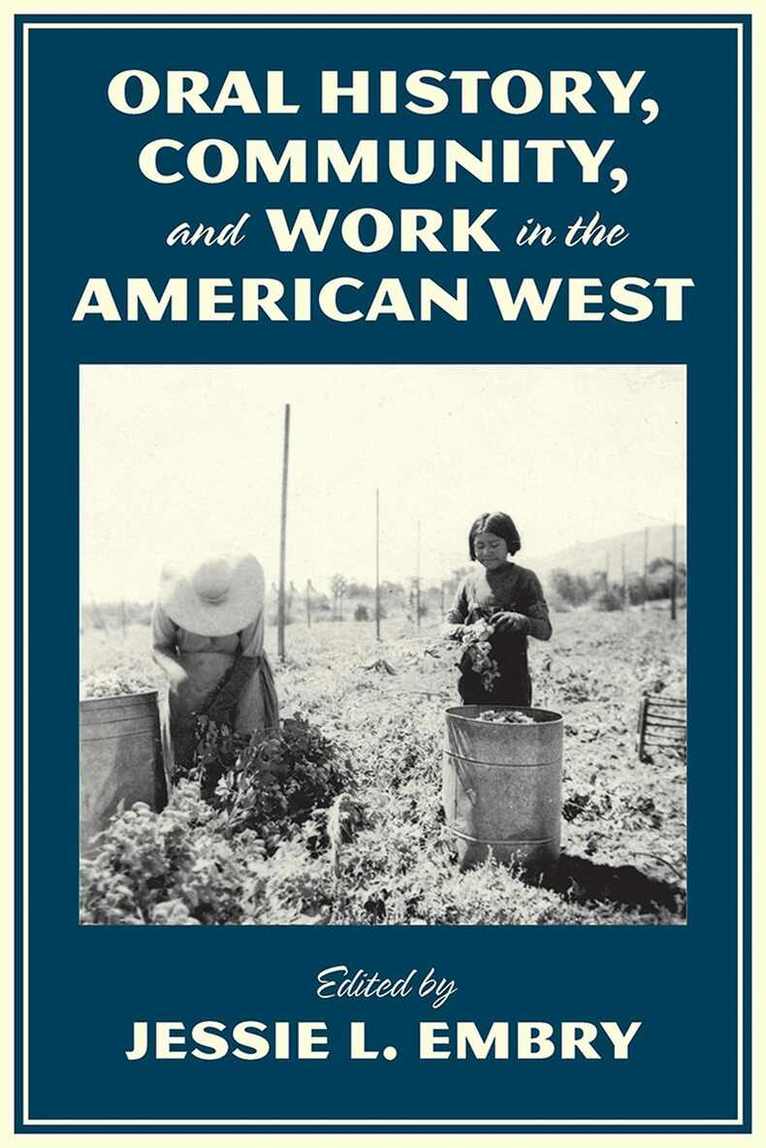
Nurses, show girls, housewives, farm workers, casino managers, and government inspectors—together these hard-working members of society contributed to the development of towns across the West. The essays in this volume show how oral history increases understanding of work and community in the twentieth century American West. In many cases occupations brought people together in myriad ways. The Latino workers who picked lemons together in Southern California report that it was baseball and Cinco de Mayo Queen contests that united them. Mormons in Fort Collins, Colorado, say that building a church together bonded them together. In separate essays, African Americans and women describe how they fostered a sense of community in Las Vegas. Native Americans detail the “Indian economy” in Northern California. As these essays demonstrate, the history of the American West is the story of small towns and big cities, places both isolated and heavily populated. It includes groups whose history has often been neglected. Sometimes, western history has mirrored the history of the nation; at other times, it has diverged in unique ways. Oral history adds a dimension that has often been missing in writing a comprehensive history of the West. Here an array of oral historians—including folklorists, librarians, and public historians—record what they have learned from people who have, in their own ways, made history.
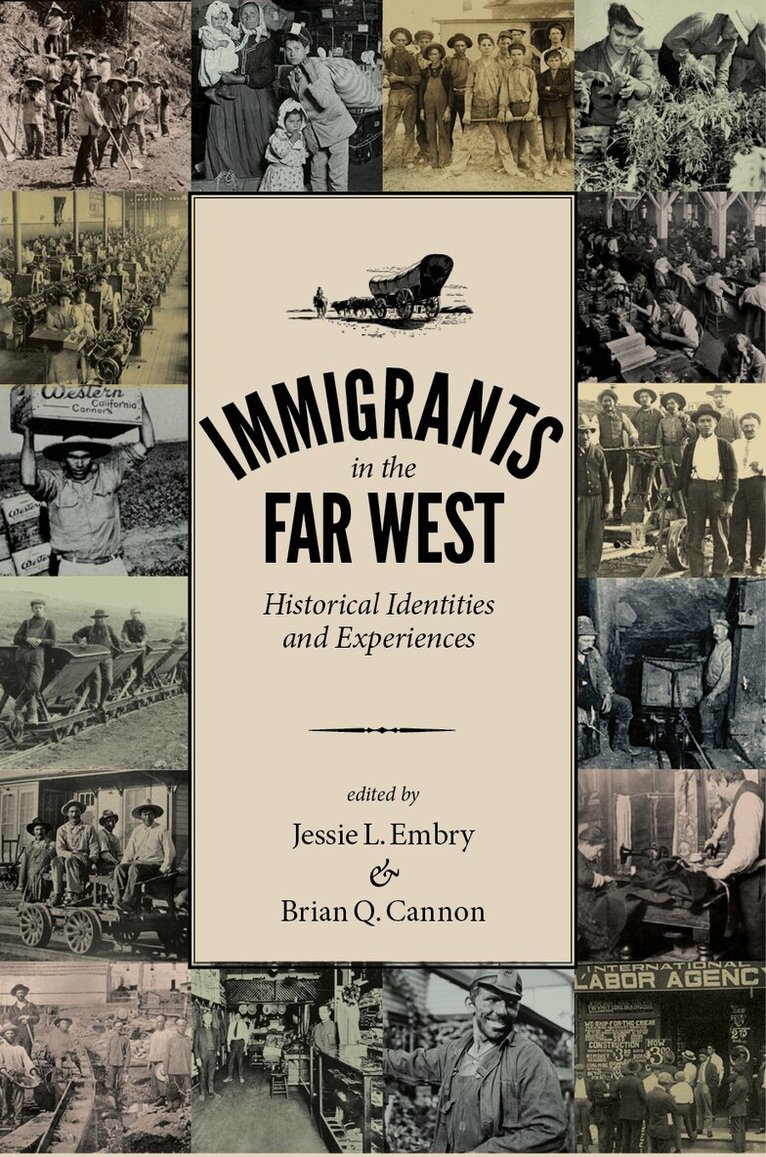
This collection showcases the cutting-edge research and innovative approaches that a new generation of scholars is bringing to the study of immigration in the American West. Often overlooked in general studies of immigration, the western United States has been and remains an important destination. The unique combination of ethnicities and races in the West, combined with political and economic peculiarities, has given the region an immigration narrative that departs significantly from those of the East and Midwest. This volume explores facets of this narrative with case studies that reveal how immigration in the American West has influenced the region’s development culturally, economically, socially, and politically. Contributors illuminate factors that have galvanized immigration and the ways that agency, cultural resources, institutions, and societal attitudes have shaped immigrant experiences. The book’s interdisciplinary framework will make it of broad interest.