Inbunden, Engelska, 2016
2 847 kr
Skickas inom 7-10 vardagar
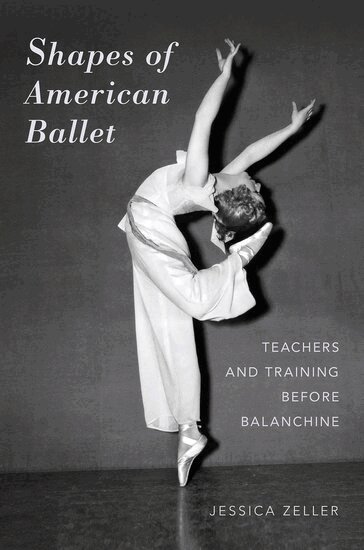
In Shapes of American Ballet: Teachers and Training before Balanchine, Jessica Zeller introduces the first few decades of the twentieth century as an often overlooked, yet critical period for ballet's growth in America. While George Balanchine is often considered the sole creator of American ballet, numerous European and Russian émigrés had been working for decades to build a national ballet with an American identity. These pedagogues and others like them played critical yet largely unacknowledged roles in American ballet's development. Despite their prestigious ballet pedigrees, the dance field's exhaustive focus on Balanchine has led to the neglect of their work during the first few decades of the century, and in this light, this book offers a new perspective on American ballet during the period immediately prior to Balanchine's arrival. Zeller uses hundreds of rare archival documents to illuminate the pedagogies of several significant European and Russian teachers who worked in New York City. Bringing these contributions into the broader history of American ballet recasts American ballet's identity as diverse-comprised of numerous Euro-Russian and American elements, as opposed to the work of one individual. This new account of early twentieth century American ballet is situated against a bustling New York City backdrop, where mass immigration through Ellis Island brought the ballet from European and Russian opera houses into contact with a variety of American forms and sensibilities. Ballet from celebrated Euro-Russian lineages was performed in vaudeville and blended with American popular dance styles, and it developed new characteristics as it responded to the American economy. Shapes of American Ballet delves into ballet's struggle to define itself during this rich early twentieth century period, and it sheds new light on ballet's development of an American identity before Balanchine.