1 543 kr
Skickas inom 5-8 vardagar
1 543 kr
Skickas inom 5-8 vardagar
1 570 kr
Skickas inom 5-8 vardagar
1 185 kr
Läs direkt efter köp
1 185 kr
Läs direkt efter köp
1 785 kr
Skickas inom 7-10 vardagar
1 240 kr
Läs direkt efter köp
1 248 kr
Läs direkt efter köp
1 458 kr
Skickas inom 5-8 vardagar
1 283 kr
Läs direkt efter köp
1 283 kr
Läs direkt efter köp
1 366 kr
Läs direkt efter köp
1 357 kr
Läs direkt efter köp
2 273 kr
Kommande
1 384 kr
Kommande
1 397 kr
Skickas inom 7-10 vardagar
871 kr
Läs direkt efter köp
2 515 kr
Skickas inom 10-15 vardagar
663 kr
Skickas inom 10-15 vardagar
813 kr
Läs direkt efter köp
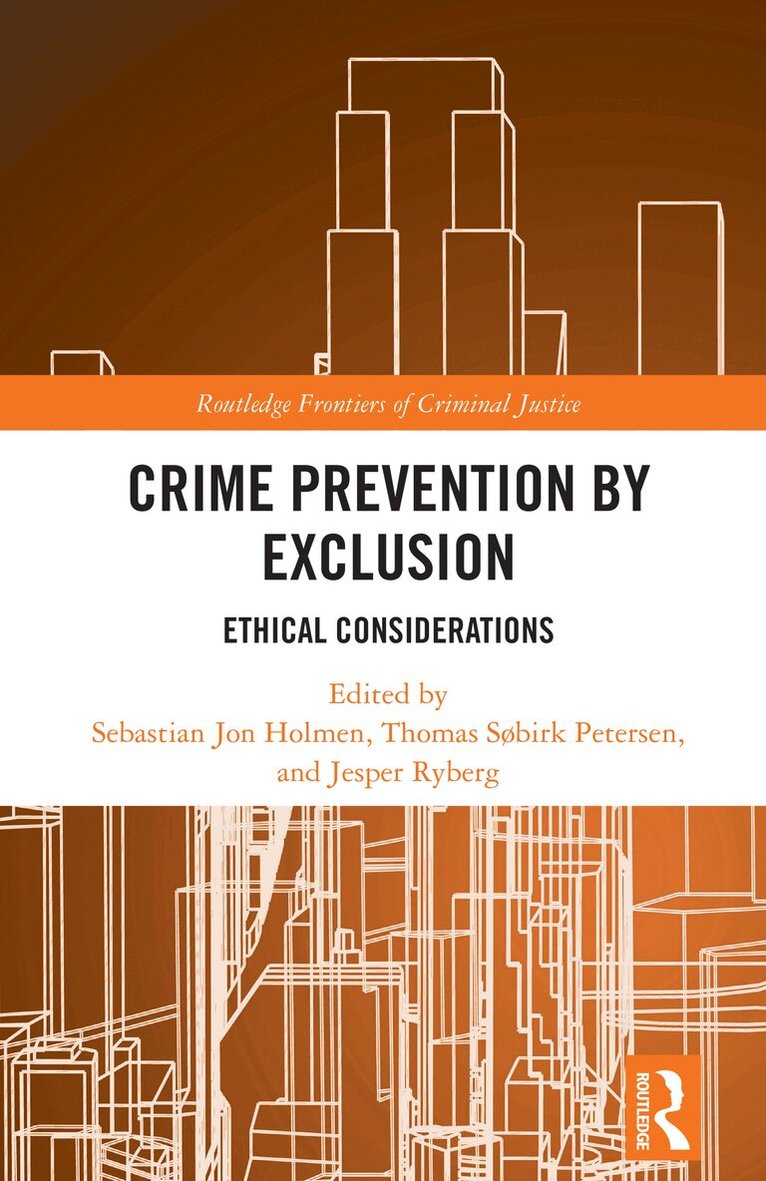
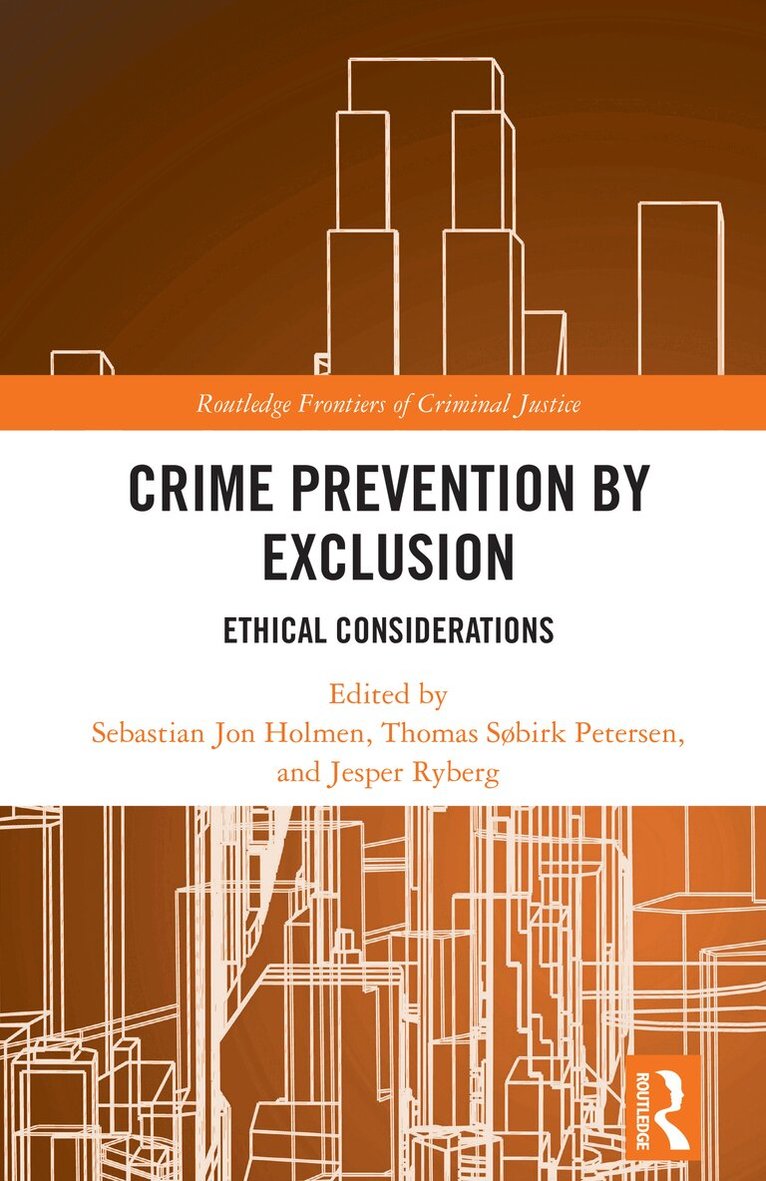
While increasing attention has been directed to the legal and criminological aspects of situational crime prevention, focused ethical discussion of the measures involved has been notable by its absence. Situational crime prevention measures are being used increasingly in various forms in cities all around the world. This book addresses the complex ethical challenges related to preventive exclusion that have only been addressed in a limited way in the academic literature.
This volume brings together world-leading experts in ethics and penal theory to answer controversial questions about the ethics of preventing crime by exclusion. Situational crime prevention measures—such as gated communities, hostile design, or annoying music or noise—intended to exclude some or all people from an area to prevent crime present important ethical questions. Is the use of exclusionary measures antithetical to the attainment of social justice or to addressing the root causes of crime? If such measures result merely in the displacement of crime, does this mean they are without value, or morally questionable? What are the conceptual relationships between exclusionary measures, civic trust, and moral agency? Do some or all exclusionary measures fail to respect potential offenders as rational agents? When, if ever, is the use of exclusion to prevent crime discriminatory? And do such measures have a morally problematic expressive dimension?
This book is invaluable for scholars with an interest in crime prevention, criminal law, and criminal justice. The practical implications will also appeal to practitioners in the criminal justice system involved in the implementation and administration of preventive exclusion.
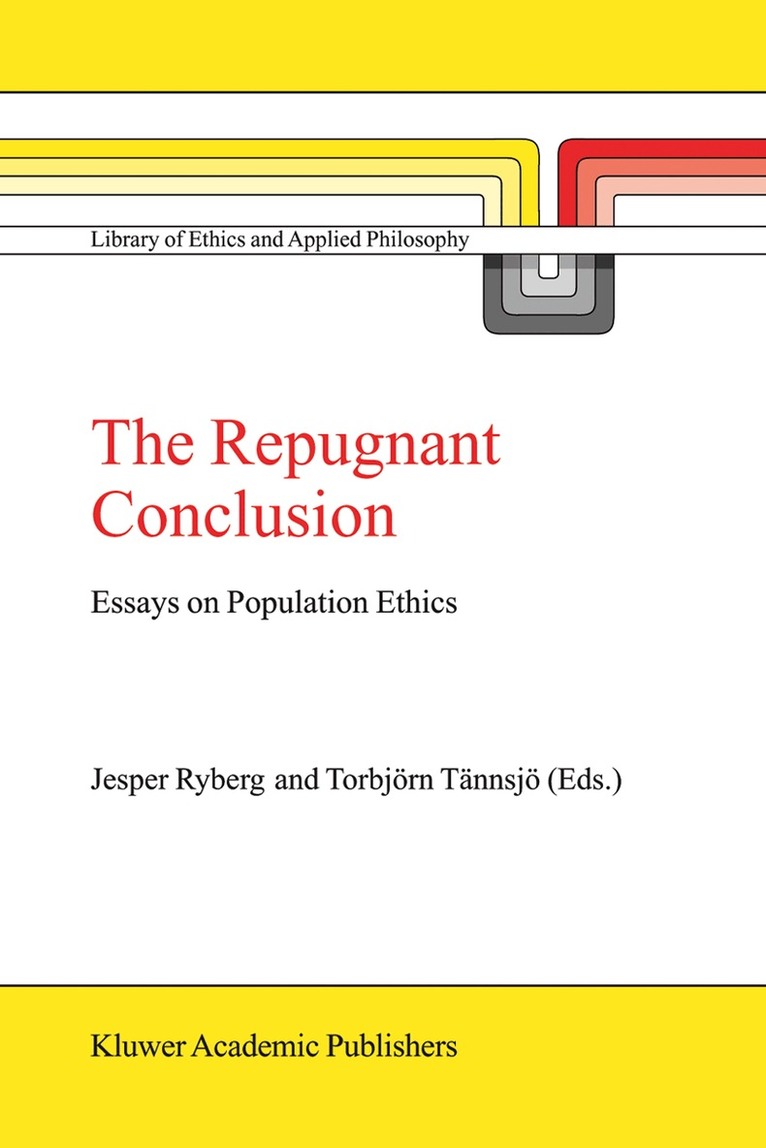
Essays on Population Ethics
1 090 kr
Skickas inom 10-15 vardagar
1 459 kr
Läs direkt efter köp
Most people (including moral philosophers), when faced with the fact that some of their cherished moral views lead up to the Repugnant Conclusion, feel that they have to revise their moral outlook. However, it is a moot question as to how this should be done. It is not an easy thing to say how one should avoid the Repugnant Conclusion, without having to face even more serious implications from one''s basic moral outlook. Several such attempts are presented in this volume. This is the first volume devoted entirely to the cardinal problem of modern population ethics, known as ''The Repugnant Conclusion''.
This book is a must for (moral) philosophers with an interest in population ethics.
1 524 kr
Skickas inom 10-15 vardagar
1 934 kr
Läs direkt efter köp
1 248 kr
Skickas inom 10-15 vardagar
570 kr
Läs direkt efter köp
574 kr
Läs direkt efter köp
529 kr
Skickas inom 10-15 vardagar
1 248 kr
Skickas inom 10-15 vardagar
717 kr
Läs direkt efter köp