312 kr
Skickas inom 3-6 vardagar
312 kr
Skickas inom 3-6 vardagar
211 kr
Läs direkt efter köp
587 kr
Läs direkt efter köp
587 kr
Läs direkt efter köp
960 kr
Skickas inom 3-6 vardagar
455 kr
Skickas inom 7-10 vardagar
872 kr
Skickas inom 7-10 vardagar
2 453 kr
Skickas inom 7-10 vardagar
924 kr
Skickas inom 7-10 vardagar
451 kr
Skickas inom 7-10 vardagar
725 kr
Skickas inom 10-15 vardagar
695 kr
Skickas inom 10-15 vardagar
725 kr
Skickas inom 10-15 vardagar
2 526 kr
Skickas inom 10-15 vardagar
2 497 kr
Skickas inom 10-15 vardagar
1 057 kr
Skickas inom 10-15 vardagar
852 kr
Läs direkt efter köp
857 kr
Läs direkt efter köp
883 kr
Läs direkt efter köp
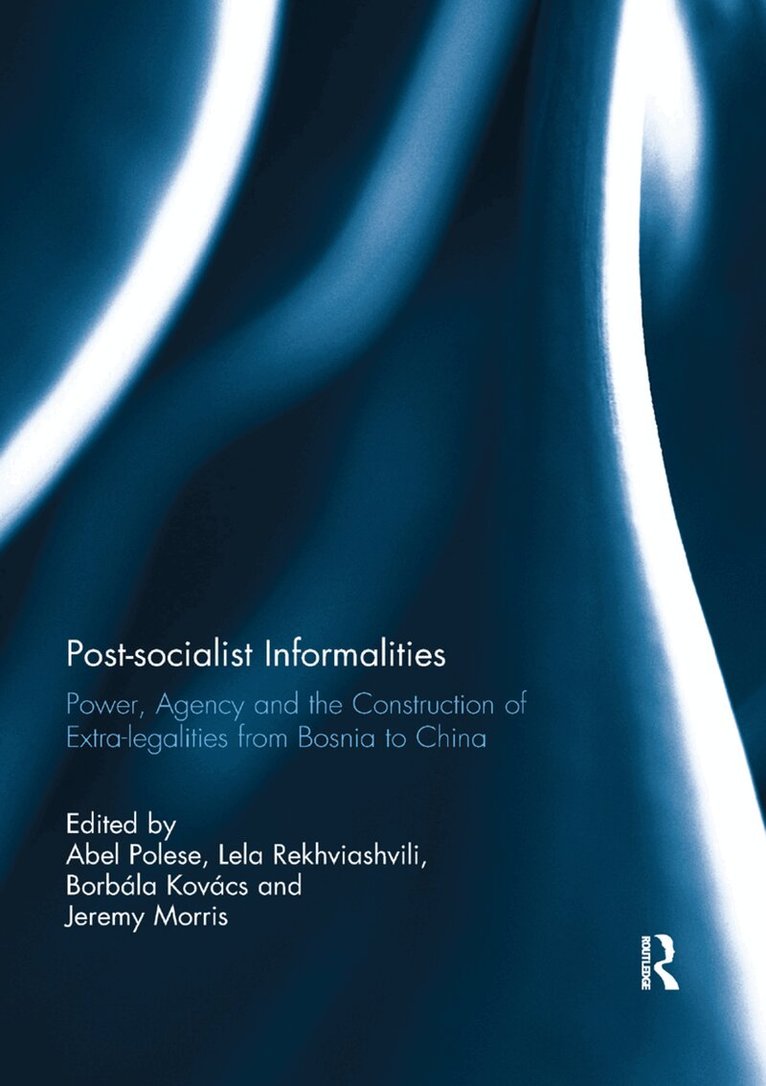
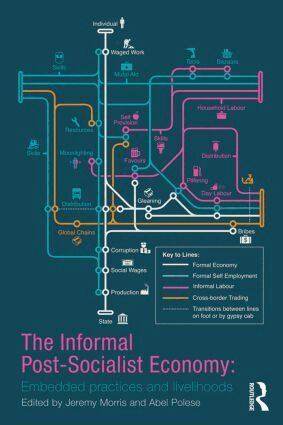
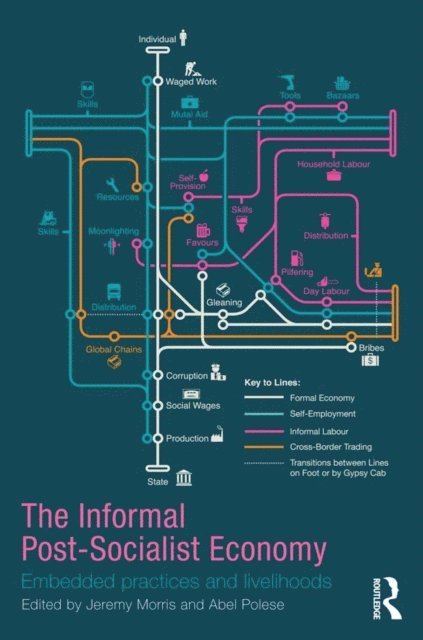
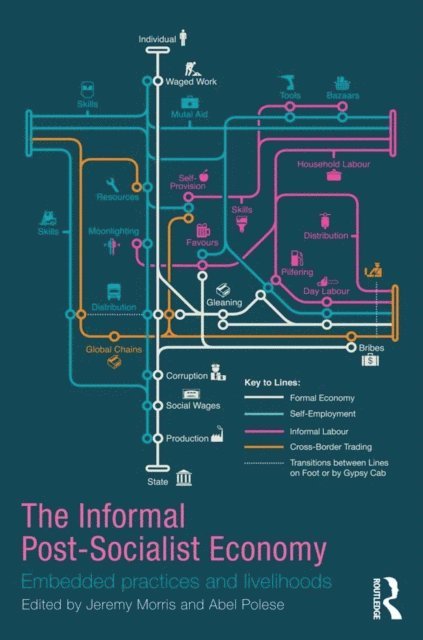
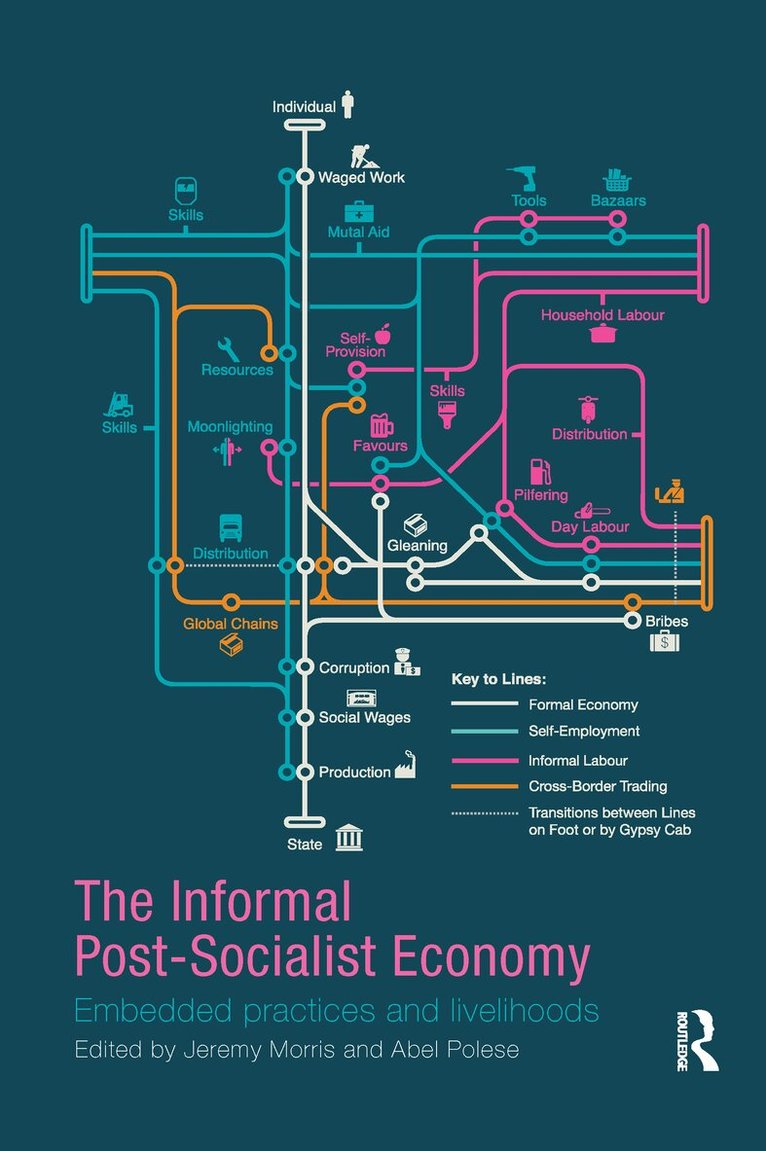
From smugglers to entrepreneurs, blue-collar workers and taxi drivers, this book deals with the multitude of characters engaged in informal economic practices in the former socialist regions. Going beyond a conception of informality as opposed to the formal sector, its authors demonstrate the fluid nature of informal transactions straddling the crossroads between illegal, illicit, socially acceptable and symbolically meaningful practices. Their argument is informed by a wide range of case studies, from Central Europe to the Baltics and Central Asia, each of which is constructed around a single informant. Each chapter narrates the story of a composite person or household that was carefully selected or constructed by an author with long-standing ethnographic research experience in the given field site.
Wide in geographical, empirical and theoretical scope, the book uses ethnographic narrative accounts of everyday life to make links between ‘ordinary’ meanings of informality. Challenging reductively economistic perspectives on cross-border trading, undeclared work and other informal activities, the authors illustrate the wide variety of interpretive meanings that people ascribe to such practices. Alongside ‘getting by’ and ‘getting ahead’ in recently marketised societies, these meanings relate to sociality, kinship-ties and solidarity, along with more surprising ‘political’ and moral reasonings.
743 kr
Skickas inom 10-15 vardagar
2 526 kr
Skickas inom 10-15 vardagar
2 489 kr
Skickas inom 10-15 vardagar
1 415 kr
Skickas inom 10-15 vardagar
1 896 kr
Läs direkt efter köp
1 415 kr
Skickas inom 10-15 vardagar
927 kr
Skickas
343 kr
Läs direkt efter köp
341 kr
Läs direkt efter köp
849 kr
Läs direkt efter köp
This book is a comprehensive collection of key scholarship on informality from the whole post-socialist region. From Bosnia to Central Asia, passing through Russia and Azerbaijan, the contributions to this volume illustrate the multi-faceted and complex nature of informality, while demonstrating the growing scholarly and policy debates that have developed around the understanding of informality.
In contrast to approaches which tend to classify informality as ‘bad’ or ‘transitional’ – meaning that modernity will make it disappear – this edited volume concentrates on dynamics and mechanisms to understand and explain informality, while also debating its relationship with the market and society.
The authors seek to explain informality beyond a mere monetaristic/economistic approach, rediscovering its interconnection with social phenomena to propose a more holistic interpretation of the meaning of informality and its influence in various spheres of life.
They do this by exploring the evolving role of informal practices in the post-socialist region, and by focusing on informality as a social organisation determinant but also looking at the way it reshapes emergent social resistance against symbolic and real political order(s).
This book was originally published as two special issues, of Caucasus Survey and the Journal of Contemporary Central and Eastern Europe.