There has been a revival of interest in Manx Gaelic of late, with the number of Manx speakers rising tenfold over the last twenty years. Jennifer Kewley Draskau has now produced the first definitive guide to the language, drawing on a wide range of written and recorded sources from the earliest times to the present.The book covers the grammar, spelling and pronunciation of Manx Gaelic in such a way as to render the language accessible to readers of all levels of competence. An accompanying website with voice recordings provides a unique opportunity to observe intonation patterns and other features (www.practicalmanx.com).
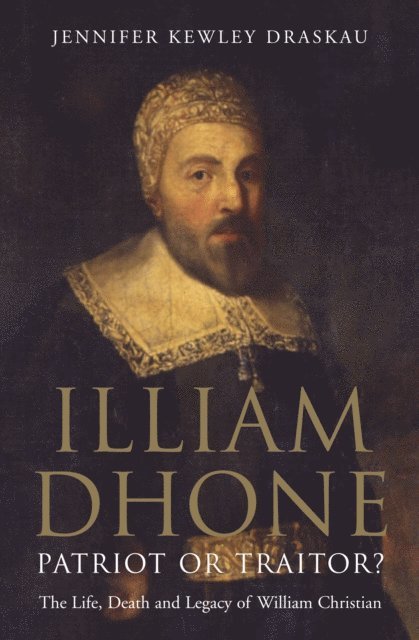
In the Isle of Man, the name of William Christian of Ronaldsway (known as ''Illiam Dhone'' by his fellow countrymen even today) still resonates with drama and controversy 350 years after his hurried execution. The fate of this seemingly obscure 17th century Manx official sent shock waves far beyond the shores of his island home, unexpectedly provoking the wrath of King Charles II and rocking the English legal system to its foundations.William Christian was the most trusted employee of the Earls of Derby, the feudal lords of the Isle of Man, yet in the turmoil of the English Civil War this loyal servant surrendered the Island to Oliver Cromwell''s Parliamentarian forces. Was this the action of a traitor, or of a patriot, defending the Manx people and their traditions? Or was he simply an opportunist, motivated by nothing nobler than self-interest?Illiam Dhone briefly flourished under Cromwell, but mysterious setbacks and allegations (of embezzlement, plotting a coup and even impregnating his own illegitimate daughter) dogged him until the Restoration, when the new Earl of Derby took revenge and put him on trial. Although a ''silver-tongued orator'', Illiam refused to plead and was shot by a firing squad.This intriguing story casts fascinating light on the little-known history and traditions of the Isle of Man, which underpin its unique relationship with England and the UK today.
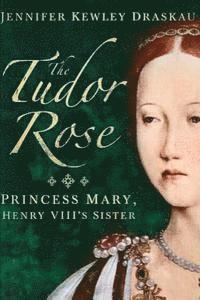
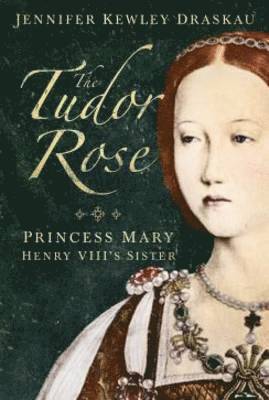
The beautiful sister of Henry VIII, the spoiled darling of the court, Princess Mary Tudor was married off to the ailing King of France against her will and, after his death, had to fight for the right to marry Henry's favourite companion, Charles Brandon, Duke of Suffolk. After bearing him four children, Mary Rose died in the full flower of her beauty. Her adored husband soon married the 14-year-old fiancee of their only surviving son, who shortly thereafter died of tuberculosis. Her older daughter, Frances, was the mother of the ill-fated Jane Grey, the 'Nine Days Queen'. Her second daughter, Eleanor, was the grandmother of Fernando, 5th Earl of Derby, intended by Henry VIII to inherit the throne after Elizabeth. The Tudor Rose is the tragic story of Mary Tudor, and the role she and her descendants played in Tudor England.