2 871 kr
Skickas inom 10-15 vardagar
2 871 kr
Skickas inom 10-15 vardagar
2 892 kr
Skickas inom 10-15 vardagar
854 kr
Skickas inom 10-15 vardagar
856 kr
Läs direkt efter köp
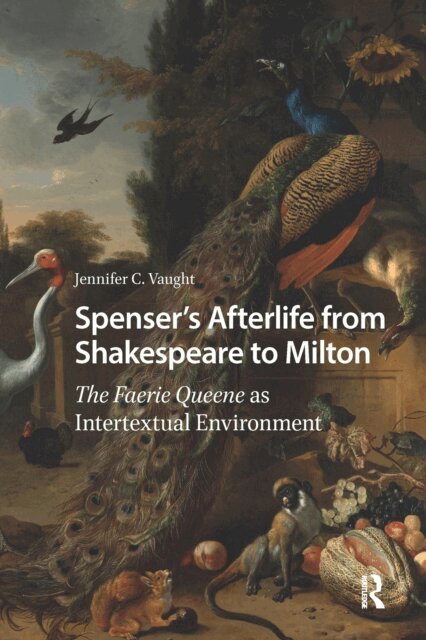
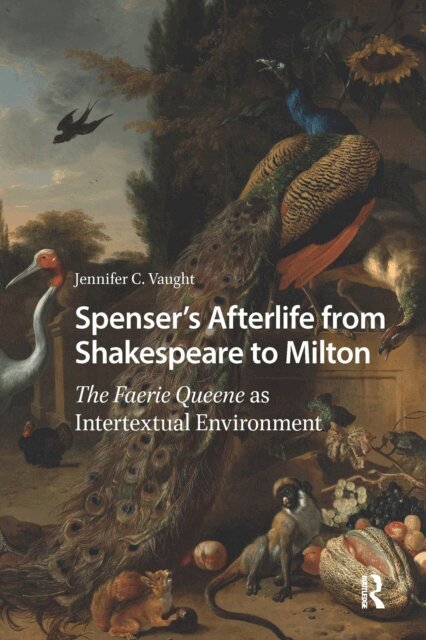
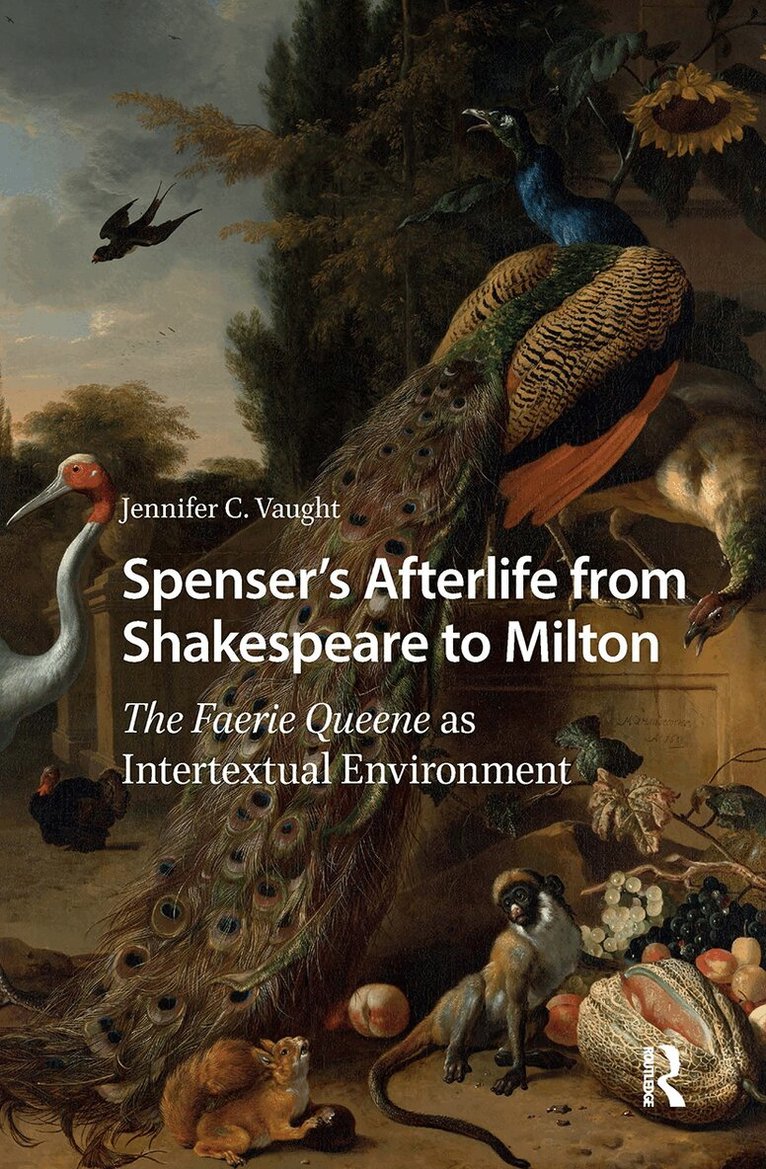
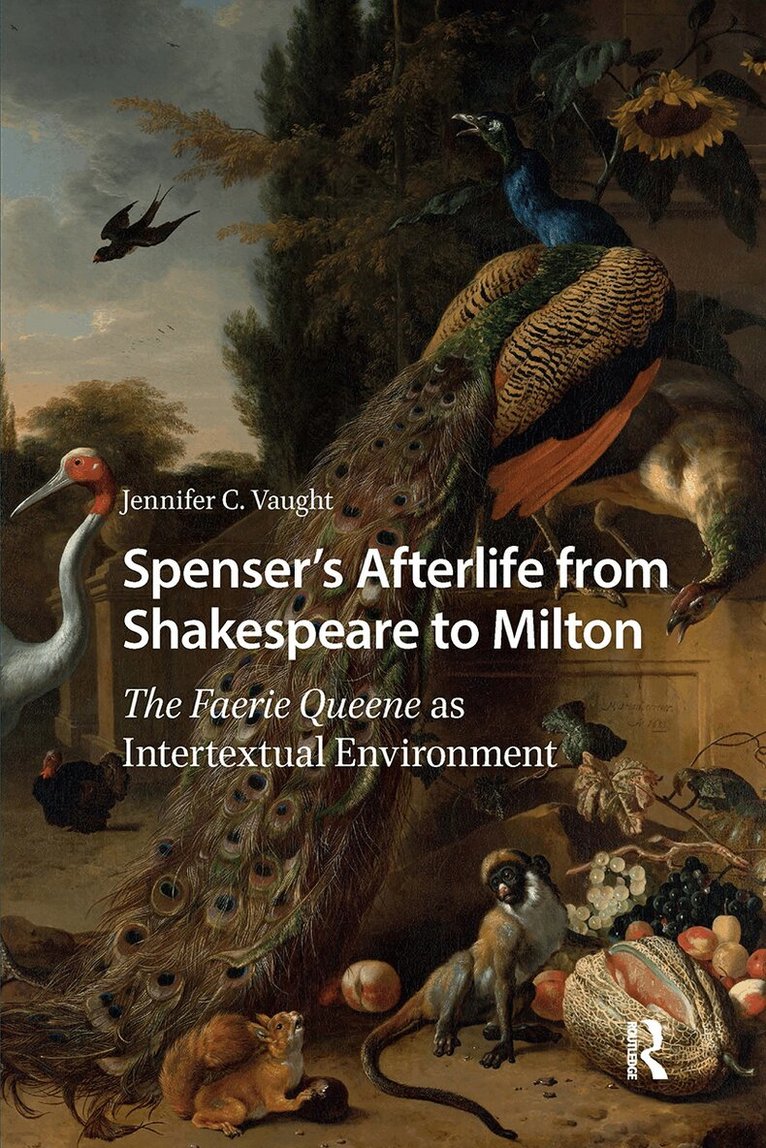
This study explores how Shakespeare, Ben Jonson, Andrew Marvell, and Milton among many others appropriated Spenser’s long and shorter poems for creating comedy, parody, and satire. Their appropriations, which were widely influential on communities of readers, writers, and intertextual networks from 1590–1660, left an abiding impression of Spenser as a biting satirist. Spenser’s Afterlife from Shakespeare to Milton: ''The Faerie Queene'' as Intertextual Environment is the first study to combine the reception history of The Faerie Queene with ecocriticism, animal studies, and posthumanist tenets of vital materialism and the power of things. This poem functions as a powerful, nonhuman agent that transforms how readers respond to their environments. The Faerie Queene and its afterlives move readers to perceive flaws in political, social, and religious figureheads and institutions to envision better ones.
813 kr
Skickas inom 10-15 vardagar
987 kr
Skickas inom 10-15 vardagar
1 002 kr
Skickas inom 10-15 vardagar
1 002 kr
Skickas inom 10-15 vardagar
1 141 kr
Läs direkt efter köp
1 167 kr
Läs direkt efter köp
1 167 kr
Läs direkt efter köp
1 141 kr
Läs direkt efter köp
1 175 kr
Läs direkt efter köp
1 175 kr
Läs direkt efter köp
2 892 kr
Skickas inom 10-15 vardagar
1 812 kr
Läs direkt efter köp
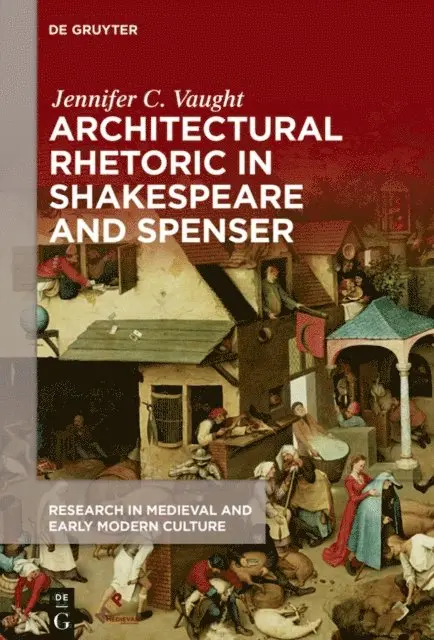
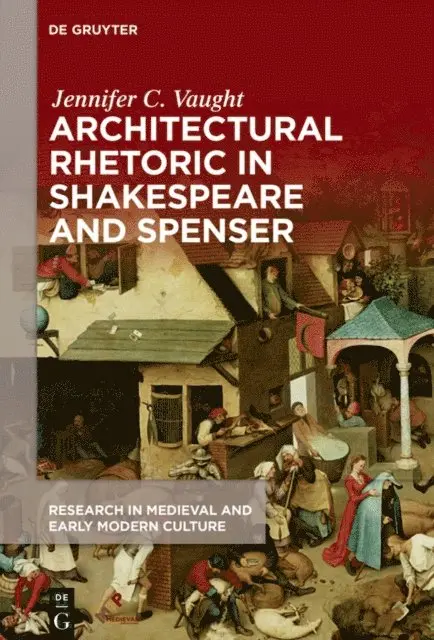
Jennifer C. Vaught illustrates how architectural rhetoric in Shakespeare and Spenser provides a bridge between the human body and mind and the nonhuman world of stone and timber. The recurring figure of the body as a besieged castle in Shakespeare’s drama and Spenser’s allegory reveals that their works are mutually based on medieval architectural allegories exemplified by the morality play The Castle of Perseverance. Intertextual and analogous connections between the generically hybrid works of Shakespeare and Spenser demonstrate how they conceived of individuals not in isolation from the physical environment but in profound relation to it. This book approaches the interlacing of identity and place in terms of ecocriticism, posthumanism, cognitive theory, and Cicero’s art of memory. Architectural Rhetoric in Shakespeare and Spenser examines figures of the permeable body as a fortified, yet vulnerable structure in Shakespeare’s comedies, histories, tragedies, romances, and Sonnets and in Spenser’s Faerie Queene and Complaints.
1 698 kr
Läs direkt efter köp
Jennifer C. Vaught illustrates how architectural rhetoric in Shakespeare and Spenser provides a bridge between the human body and mind and the nonhuman world of stone and timber. The recurring figure of the body as a besieged castle in Shakespeare’s drama and Spenser’s allegory reveals that their works are mutually based on medieval architectural allegories exemplified by the morality play The Castle of Perseverance. Intertextual and analogous connections between the generically hybrid works of Shakespeare and Spenser demonstrate how they conceived of individuals not in isolation from the physical environment but in profound relation to it. This book approaches the interlacing of identity and place in terms of ecocriticism, posthumanism, cognitive theory, and Cicero’s art of memory. Architectural Rhetoric in Shakespeare and Spenser examines figures of the permeable body as a fortified, yet vulnerable structure in Shakespeare’s comedies, histories, tragedies, romances, and Sonnets and in Spenser’s Faerie Queene and Complaints.
2 051 kr
Skickas inom 7-10 vardagar
1 861 kr
Skickas inom 7-10 vardagar
2 013 kr
Skickas inom 10-15 vardagar