2 627 kr
Skickas inom 7-10 vardagar
2 627 kr
Skickas inom 7-10 vardagar
743 kr
Skickas inom 7-10 vardagar
440 kr
Läs direkt efter köp
440 kr
Läs direkt efter köp
2 526 kr
Skickas inom 10-15 vardagar
615 kr
Skickas inom 10-15 vardagar
2 497 kr
Skickas inom 10-15 vardagar
3 083 kr
Skickas inom 10-15 vardagar
915 kr
Skickas inom 10-15 vardagar
746 kr
Läs direkt efter köp
746 kr
Läs direkt efter köp
550 kr
Skickas inom 3-6 vardagar
381 kr
Skickas inom 11-20 vardagar
549 kr
Skickas inom 7-10 vardagar
1 261 kr
Skickas inom 7-10 vardagar
1 280 kr
Skickas inom 10-15 vardagar
559 kr
Skickas inom 10-15 vardagar
644 kr
Skickas inom 10-15 vardagar
775 kr
Skickas inom 3-6 vardagar
1 293 kr
Skickas inom 7-10 vardagar
510 kr
Skickas inom 3-6 vardagar
1 051 kr
Läs direkt efter köp
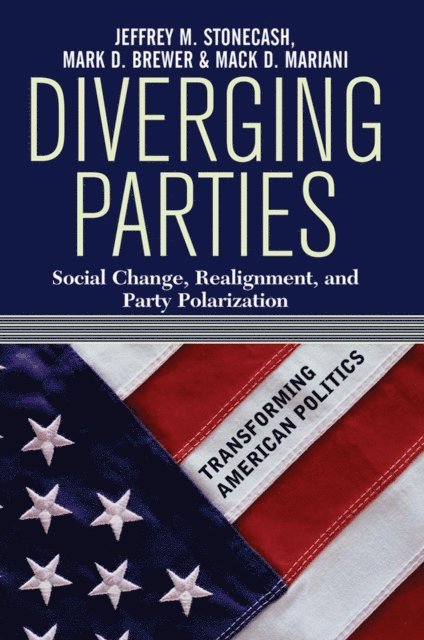
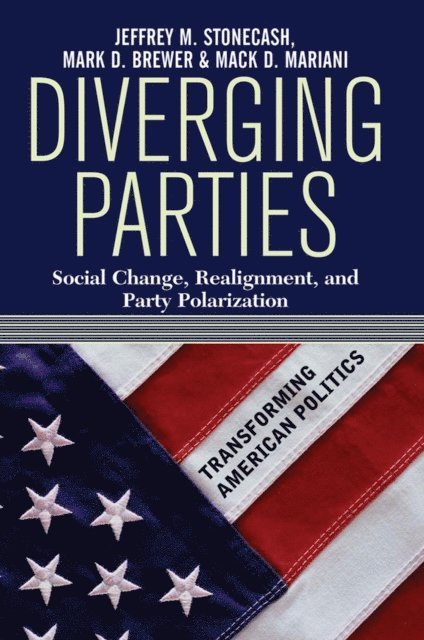
Our portraits of voters, their relationship to parties, and the behavior of elected party members have changed significantly within the last 10 to 15 years. Characterizations of dealignment and decreased importance of parties have been fairly rapidly replaced by a focus on party polarization. Voters are becoming more ideological and the debate is now about the relative role of ideology, religious attachment, views on immigration, and class in affecting party identification and voting. In a short period of time we have gone from concern that parties are not responsive or sufficiently different to whether polarization has become too great.
This volume, with contributions from some of the most noted scholars of political parties, brings together assessments of these changes to provide a comprehensive overview of current trends in the field. It serves as an excellent companion to courses on parties and elections, and a useful overview for scholars and students of American politics generally.
1 066 kr
Läs direkt efter köp
Our portraits of voters, their relationship to parties, and the behavior of elected party members have changed significantly within the last 10 to 15 years. Characterizations of dealignment and decreased importance of parties have been fairly rapidly replaced by a focus on party polarization. Voters are becoming more ideological and the debate is now about the relative role of ideology, religious attachment, views on immigration, and class in affecting party identification and voting. In a short period of time we have gone from concern that parties are not responsive or sufficiently different to whether polarization has become too great.
This volume, with contributions from some of the most noted scholars of political parties, brings together assessments of these changes to provide a comprehensive overview of current trends in the field. It serves as an excellent companion to courses on parties and elections, and a useful overview for scholars and students of American politics generally.
712 kr
Läs direkt efter köp
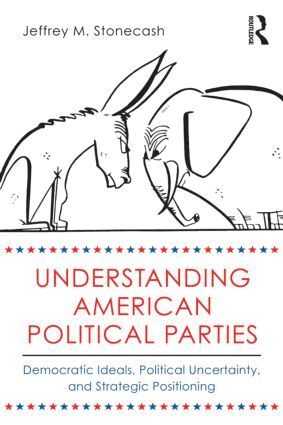
How do parties respond to the electorate and craft winning strategies? In the abstract parties are the vehicles to make democracy work, but it is often difficult to see the process working as well as we think it might. Indeed, voters often struggle to see parties as the valuable vehicles of representation that so many academics describe. There is a clear discrepancy between the ideal expressed in many textbooks and the reality that we see playing out in politics.
Noted scholar Jeffrey Stonecash gives us a big picture analysis that helps us understand what is happening in contemporary party politics. He explains that parties behave the way they do because of existing political conditions and how parties adapt to those conditions as they prepare for the next election. Parties are unsure if realignment has stabilized and just what issues brought them their current base. Does a majority support their positions and how are they to react to ongoing social change? Is the electorate paying attention, and can parties get a clear message to those voters? This book focuses on the challenges parties face in preparing for future elections while seeking to cope with current conditions. This coping leads to indecisiveness of positioning, simplification of issues, repetition of messages, and efforts to disparage the reputation of the opposing party. Stonecash sheds much needed light on why parties engage in the practices that frustrate so many Americans.
722 kr
Läs direkt efter köp
How do parties respond to the electorate and craft winning strategies? In the abstract parties are the vehicles to make democracy work, but it is often difficult to see the process working as well as we think it might. Indeed, voters often struggle to see parties as the valuable vehicles of representation that so many academics describe. There is a clear discrepancy between the ideal expressed in many textbooks and the reality that we see playing out in politics.
Noted scholar Jeffrey Stonecash gives us a big picture analysis that helps us understand what is happening in contemporary party politics. He explains that parties behave the way they do because of existing political conditions and how parties adapt to those conditions as they prepare for the next election. Parties are unsure if realignment has stabilized and just what issues brought them their current base. Does a majority support their positions and how are they to react to ongoing social change? Is the electorate paying attention, and can parties get a clear message to those voters? This book focuses on the challenges parties face in preparing for future elections while seeking to cope with current conditions. This coping leads to indecisiveness of positioning, simplification of issues, repetition of messages, and efforts to disparage the reputation of the opposing party. Stonecash sheds much needed light on why parties engage in the practices that frustrate so many Americans.
2 526 kr
Skickas inom 10-15 vardagar
651 kr
Skickas inom 10-15 vardagar
738 kr
Läs direkt efter köp
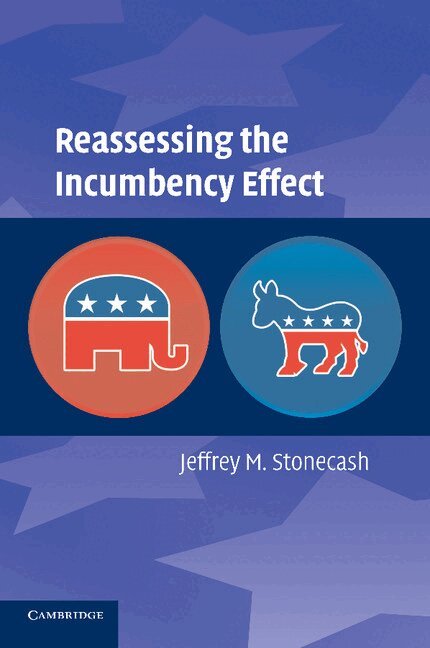
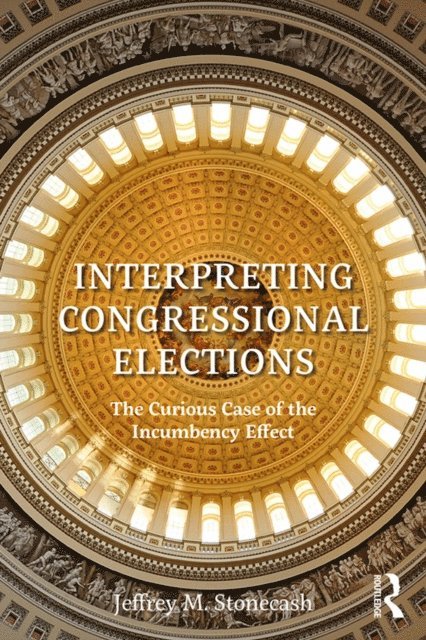
The increase in the "incumbency effect" has long dominated as a research focus and as a framework for interpreting congressional elections. This important new book challenges the empirical claim that incumbents are doing better and the research paradigm that accompanied the claim. It also offers an alternative interpretation of House elections since the 1960s. In a style that is provocative yet fair, learned, and transparent, Jeffrey Stonecash makes a two-pronged argument: frameworks and methodologies suffer when they stop being critically considered, and patterns of House elections over the long term actually reflect party change and realignment. A must-read for scholars and students of congressional elections.
746 kr
Läs direkt efter köp
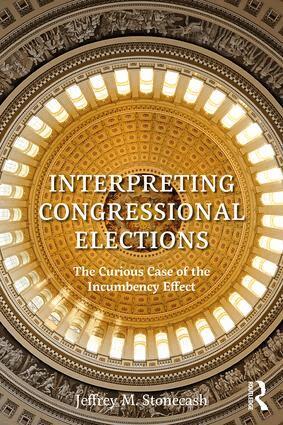
The increase in the "incumbency effect" has long dominated as a research focus and as a framework for interpreting congressional elections. This important new book challenges the empirical claim that incumbents are doing better and the research paradigm that accompanied the claim. It also offers an alternative interpretation of House elections since the 1960s. In a style that is provocative yet fair, learned, and transparent, Jeffrey Stonecash makes a two-pronged argument: frameworks and methodologies suffer when they stop being critically considered, and patterns of House elections over the long term actually reflect party change and realignment. A must-read for scholars and students of congressional elections.
502 kr
Skickas inom 7-10 vardagar