In early 1861, most Missourians hoped they could remain neutral in the upcoming conflict between North and South. In fact, a popularly elected state convention voted in March of that year that ""no adequate cause"" existed to compel Missouri to leave the Union. Instead, Missourians saw themselves as ideologically centered between the radical notions of abolition and secession.By summer 1861, however, the situation had deteriorated dramatically. Because of the actions of politicians and soldiers such as Missouri Gov. Claiborne Jackson and Union Gen. Nathaniel Lyon, Missourians found themselves forced to take sides.In this updated edition, author Jeffrey Patrick tells the fascinating story of high-stakes military gambles, aggressive leadership, and lost opportunities. Campaign for Wilson's Creek is a tale of unique military units, untried but determined commanders, colorful volunteers, and professional soldiers. The first major campaign of the Civil War to take place west of the Mississippi River guaranteed that Missourians would be engaged in a long, cruel civil war within the larger, national struggle.
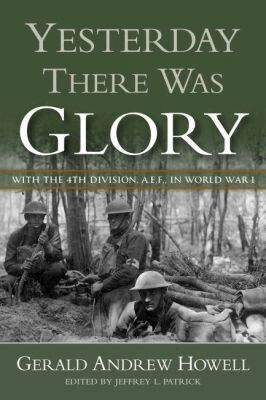
In 1946, World War I veteran Gerald Howell finished a memoir of the experiences of his squad from the 39th Infantry Regiment, 4th Division, but never published it. Jeffrey Patrick discovered the memoir and edited it for publication, providing an introduction and annotations.Yesterday There Was Glory is an unpretentious account of men at war, from training camp to the occupation of Germany. It includes graphic descriptions of the battlefield, of shell fire, gas attacks, and lice. “Between the attacks the men would lay in their wet holes and pray for relief. But no relief came,” Howell remembers. He recalls much more than the horrors of combat, however, chronicling the diverse collection of heroes, professional warriors, shirkers, and braggarts that made up the American Expeditionary Forces.Howell’s account preserves the flavor of army life with conversations and banter in soldier language, including the uncensored doughboy profanity often heard but seldom recorded.
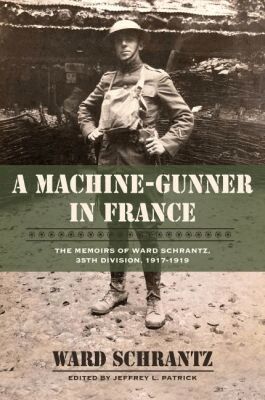
This is the WWI memoir of Ward Schrantz, a National Guard officer and machine gun company commander in the Kansas-Missouri 35th Division. He extensively documents his experiences and those of his men, from training at Camp Doniphan to their voyage across the Atlantic, and to their time in the trenches in France's Vosges Mountains and ultimately to their return home. He devotes much of his memoir to the Meuse-Argonne Offensive, in which the 35th Division suffered heavy casualties and made only moderate gains before being replaced by fresh troops. Schrantz also describes the daily life of a soldier, including living conditions, relations between officers and enlisted men, and the horrific experience of combat.Editor Jeffrey Patrick combines his narrative with excerpts from a detailed history of the unit that Schrantz wrote for his local newspaper, and also provides an editor's introduction and annotations.
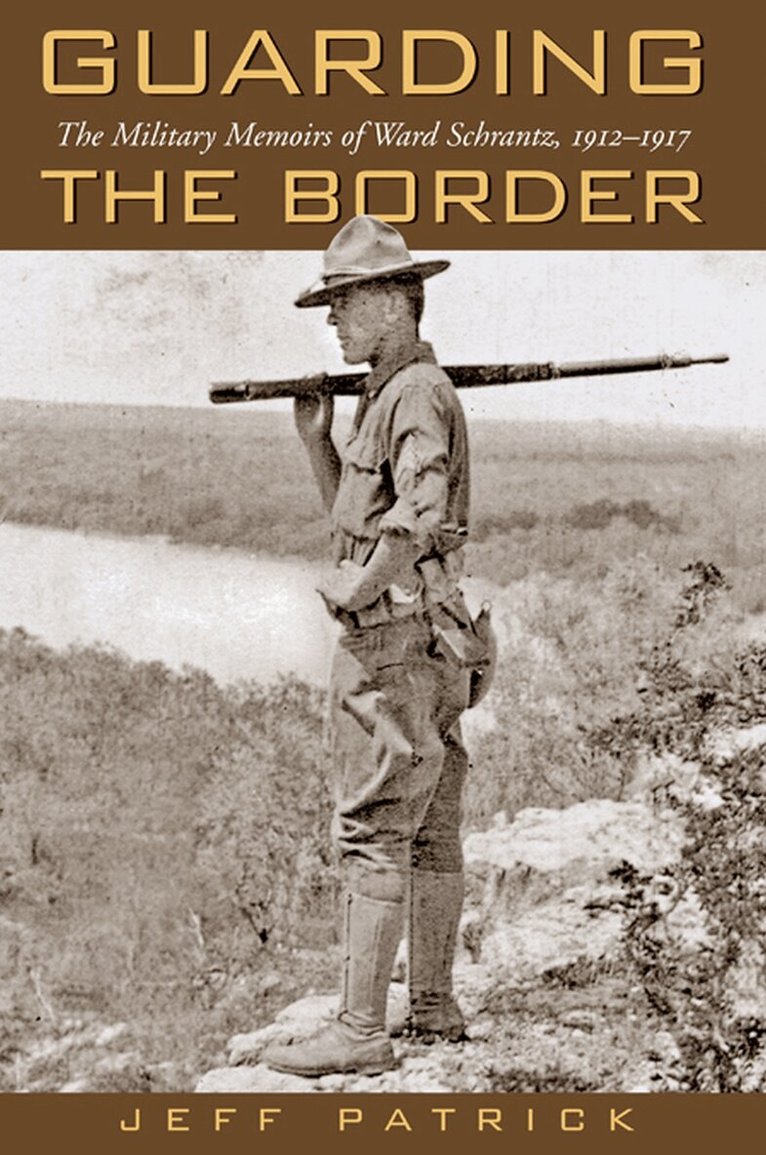
Ward Loren Schrantz, of Carthage, Missouri, entered the U.S. Army in 1912, at a time when military leaders were still seriously debating the future of the horse cavalry. He left active military service in 1946, after the United States dropped the atomic bomb on Japan. Schrantz served capably at a time when the U.S. military was undergoing rapid technological and strategic transformation and, as a journalist and attentive observer, left a vivid personal account of his time in the Army and Missouri National Guard. Editor Jeff Patrick has woven three undated versions of Schrantz's memoir into a single narrative focused on the sparsely documented pre - World War I period from 1912 to 1917, thus helping to fill a significant gap in the existing literature. Schrantz's memoir is notable not only for the period it covers, but also for its lively evocation of a soldier's life during the U.S.-Mexico border disturbances of the early twentieth century. Schrantz's account demonstrates the perennial contrast between how soldiers were expected to behave and how they actually behaved; it offers colorful and authentic details not usually available from official histories.Patrick also has added an appendix consisting of the letters that Schrantz wrote for publication in his hometown newspaper, the "Carthage Evening Press". These documents yield interesting insights into the attitudes and dispositions of U.S. soldiers during this time, as well as the perceptions and opinions of the 'folks back home'. Students, scholars, and others interested in military and borderlands history will find much to enjoy in "Guarding the Border: The Military Memoirs of Ward Schrantz, 1912-1917".