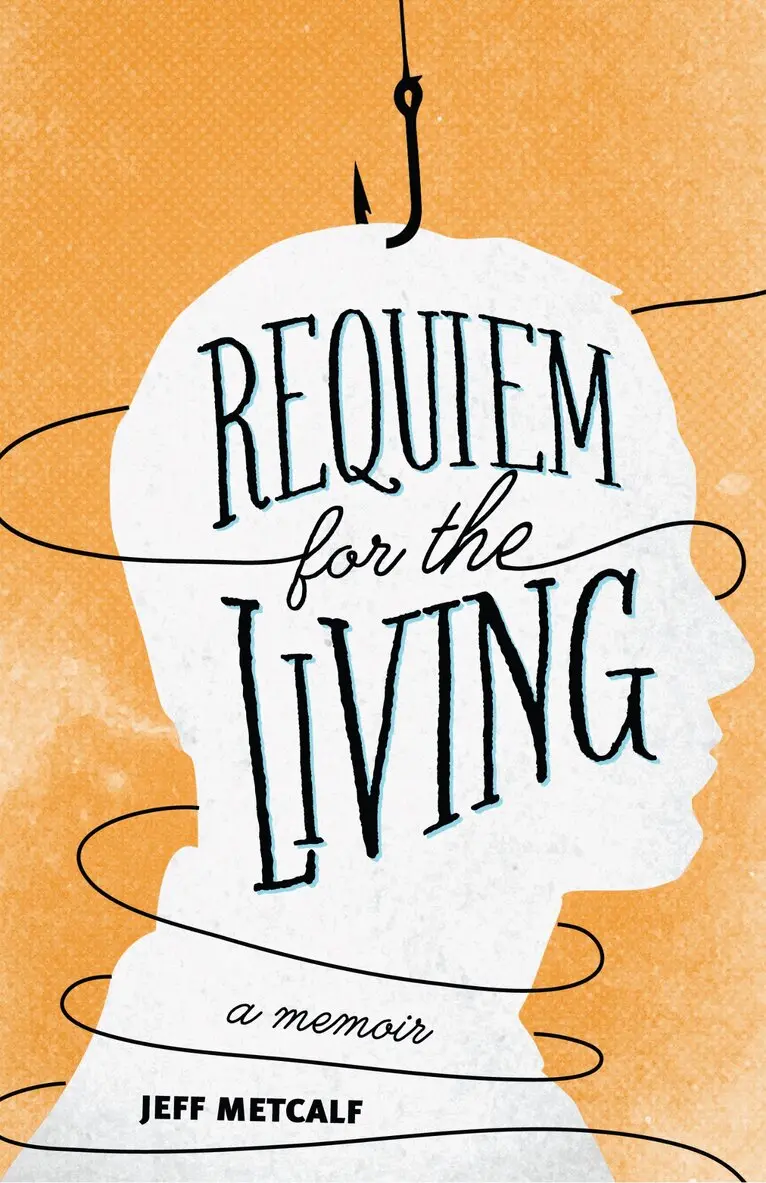
After nine years of keeping his prostate cancer at bay, the drugs were no longer working. The doctors told him his time was nearly up. Jeff Metcalf used this diagnosis as motivation to dive deeper into writing, tasking himself to write one essay each week for a year. His collection of fifty-two essays was chosen by the Utah Division of Arts and Museums as the winner of their 2012 Original Writing Competition. Requiem for the Living contains the best of these essays, selected and reworked by the author, who continues to defy his medical prognosis. The essays form a memoir of sorts, recounting good times and critical moments from Metcalf’s life. Often funny, sometimes moving, profoundly personal, they draw from Metcalf’s rich experience. He does not describe a life defined by cancer but writes to discover what his life has been, who he has become, and what he has learned along the way. Ron Carlson, author of A Kind of Flying, says, “This is a truly unusual book! What Jeff Metcalf has accomplished in his collection of essays is to write an intimate and frank book about a life well lived. It is a dear and personal book that increases the supply of affection in the world and adds mightily to our shared kindness. Requiem for the Living is a memoir with a unique wavelength—it should be on everyone’s night stand.”
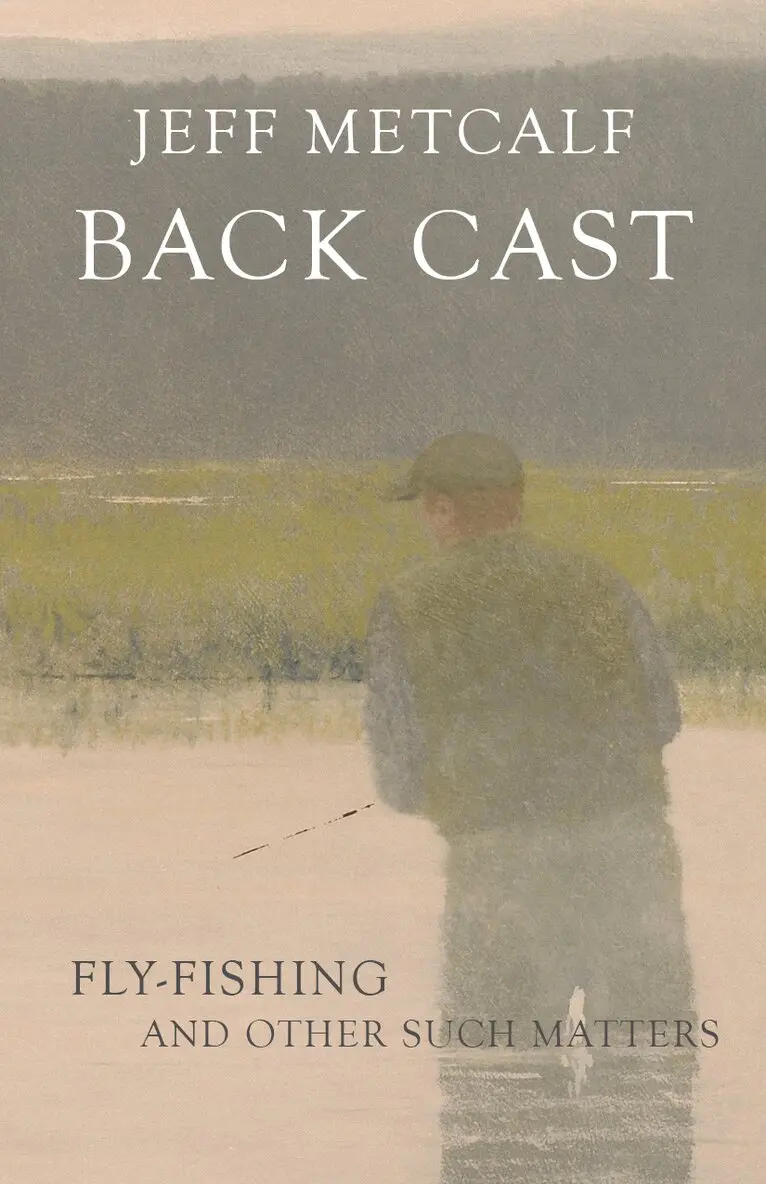
A storyteller and avid fly fisherman, Jeff Metcalf is, for compelling personal reasons, an enhanced observer of the human condition, who finds himself often in the streams of the American West. Not only rivers run through his essays, his cancer does too. But so do camaraderie, adventures, reveling in nature and outdoor devotions, and the sheer bliss of focused engagement with the fish and the cast. Metcalf’s keenly observed companions are river guides, small-town locals, academics, and other city folk, all like him among those who run to the river for solace and joy. These essays are much more than fish stories; they reveal the community and communion of fishing and the bonds to place the author nurtured through it. Whether he recalls carousing and tale-swapping with friends or excellence found through the challenge of the cast, Metcalf’s words, sometimes roiling and turbulent, sometimes calm and reflective, like a western river, vividly convey the pull of the steelhead and the fight for survival. Whether or not you fish, Metcalf’s sharp-eyed, open and honest look at life will draw you in.