158 kr
Läs direkt efter köp
158 kr
Läs direkt efter köp
155 kr
Läs direkt efter köp
271 kr
Skickas inom 3-6 vardagar
211 kr
Läs direkt efter köp
210 kr
Läs direkt efter köp
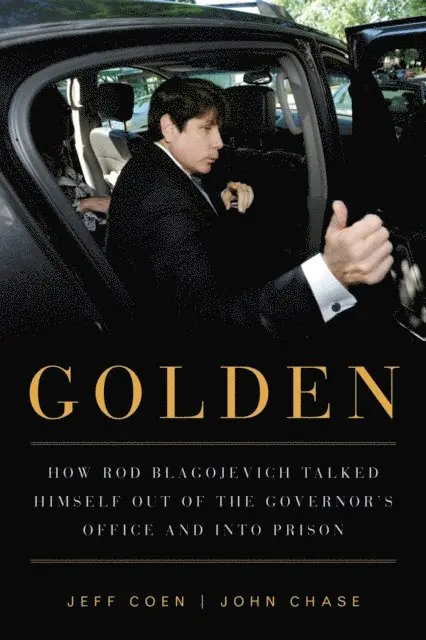
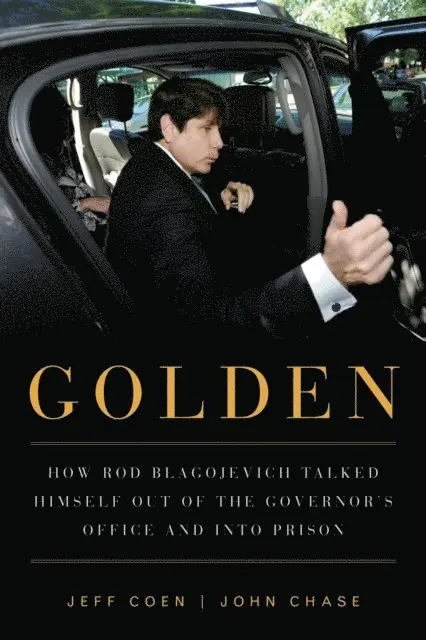
No one did political corruption quite like Rod Blagojevich. The 40th governor of Illinois made international headlines in 2008 when he was roused from his bed and arrested by the FBI at his Chicago home. He was accused of running the state government as a criminal racket and, most shockingly, caught on tape trying to barter away President-elect Barack Obama''s US Senate seat. Most politicians would hunker down, stay quiet, and fight the federal case against them. But as he had done for years, Rod Blagojevich proved he was no ordinary politician. Instead, he fueled the headlines, proclaiming his innocence on seemingly every national talk show and street corner he could find.
Revealing evidence from the investigation never before made public, Golden is the most complete telling yet of the Blagojevich story, written by two Chicago reporters who covered every step of his rise and fall and spent years sifting through evidence, compiling documents, and conducting more than a hundred interviews with those who have known Blagojevich from his childhood to his time in the governor''s office. Dispensing with sensationalism to present the facts about one of the nation''s most notorious politicians, the authors detail the mechanics of the corruption that brought the governor down and profile a fascinating and frustrating character who embodies much of what is wrong with modern politics. With Blagojevich now serving 14 years in prison, the time has come for the last word on who Blagojevich was, how he was elected, how he got himself into trouble, and how the feds took him down.
181 kr
Läs direkt efter köp
179 kr
Läs direkt efter köp
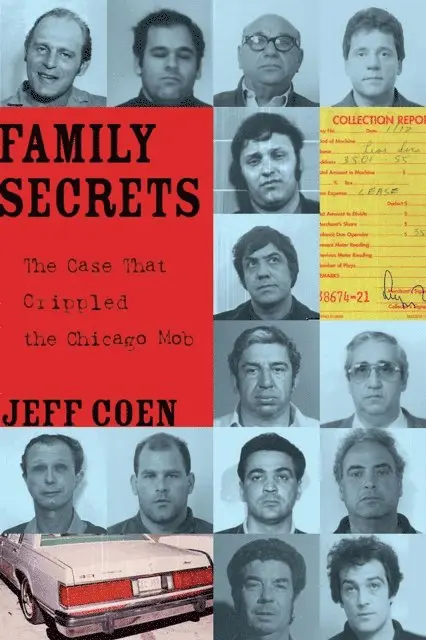
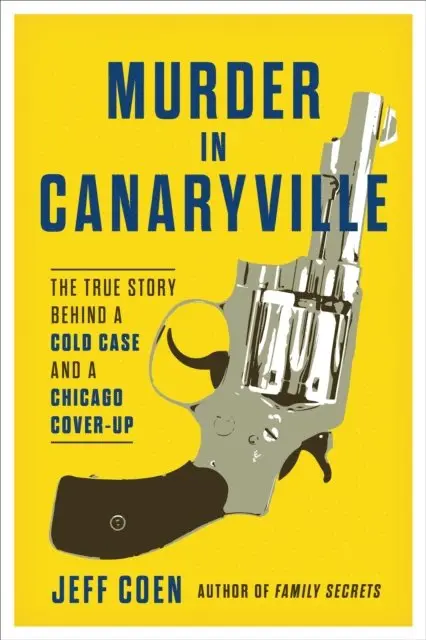
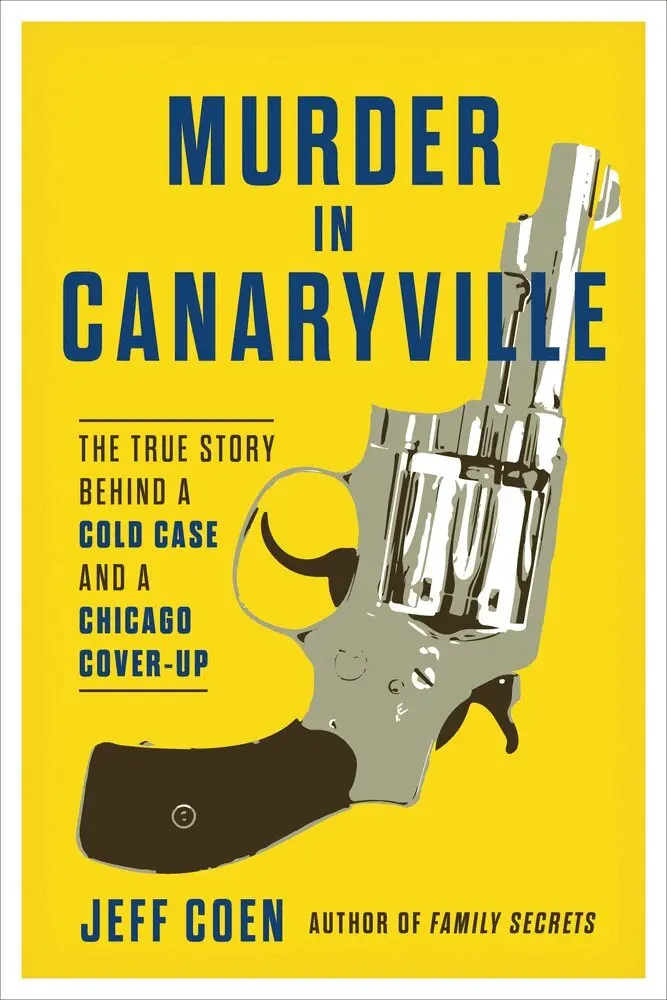
The grandson and great-grandson of Chicago police officers, Chicago Police Detective James Sherlock was CPD through-and-through. His career had seen its share of twists and turns, from his time working undercover to thwart robberies on Chicago''s L trains, to his side gig working security at The Jerry Springer Show, to his years as a homicide detective. He thought he had seen it all. But on this day, he was at the records center to see the case file for the murder of John Hughes, who was seventeen years old when he was gunned down in a park on Chicago''s Southwest Side on May 15, 1976. The case had haunted many in the department for years and its threads led everywhere: Police corruption. Hints of the influence of the Chicago Outfit. A crooked judge. Even the belief that the cover-up extended to “hizzoner” himself—legendary Chicago Mayor Richard J. Daley. Sherlock, expecting to retire within a year, had a dream assignment: working cold cases for the Chicago office of the FBI. And with time for one more big investigation, he had chosen this stubborn case. More than forty years after the Hughes killing, he was hopeful he could finally put the case to rest. Then the records clerk handed Sherlock a thin manila folder. A murder that had roiled the city and had been investigated for years had been reduced to a few reports and photographs. What should have been a massive file with notes and transcripts from dozens of interviews was nowhere to be found. Sherlock could have left the records center without the folder and cruised into retirement, and no one would have noticed. Instead, he tucked the envelope under his arm and carried it outside.
232 kr
Skickas inom 11-20 vardagar
"A real-life crime drama with vivid individuals and neighborhoods. A murder unsolved until now after forty years. It portrays the unvarnished Chicago of yesterday...absolutely a must read." —Dick Simpson, author of The Good Fight
The cold-case murder of John Hughes, the son of a Chicago Outfit member suspected of pulling the trigger, and the efforts of a determined detective to unravel a cover-up
The grandson and great-grandson of Chicago police officers, Chicago Police Detective James Sherlock was CPD through-and-through. His career had seen its share of twists and turns, from his time working undercover to thwart robberies on Chicago's L trains to his years as a homicide detective. He thought he had seen it all.
But on this day, he was at the records center to see the case file for the murder of John Hughes, who was seventeen years old when he was gunned down on Chicago's Southwest Side in 1976. The case’s threads led everywhere: Police corruption. Hints of the Chicago Outfit. A crooked judge. Even the belief that the cover-up extended to "hizzoner" himself—legendary Chicago mayor Richard J. Daley.
A murder that had roiled the city and had been investigated for years had been reduced to a few reports and photographs. What should have been a massive file with notes and transcripts from dozens of interviews was nowhere to be found. Sherlock could have left the records center without the folder and cruised into retirement, and no one would have noticed.
Instead, he tucked the envelope under his arm and carried it outside.