2 534 kr
Skickas inom 10-15 vardagar
2 534 kr
Skickas inom 10-15 vardagar
733 kr
Skickas inom 10-15 vardagar
838 kr
Läs direkt efter köp
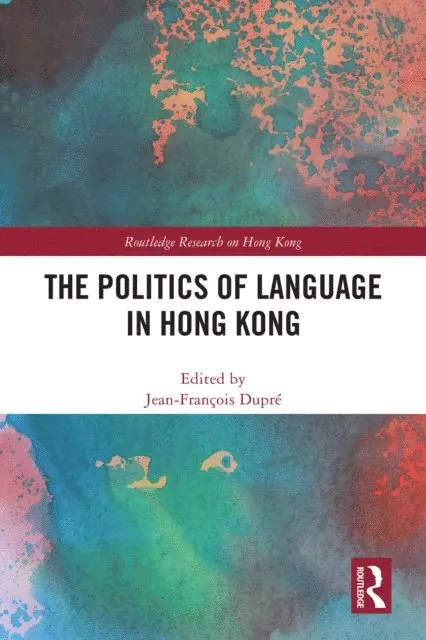
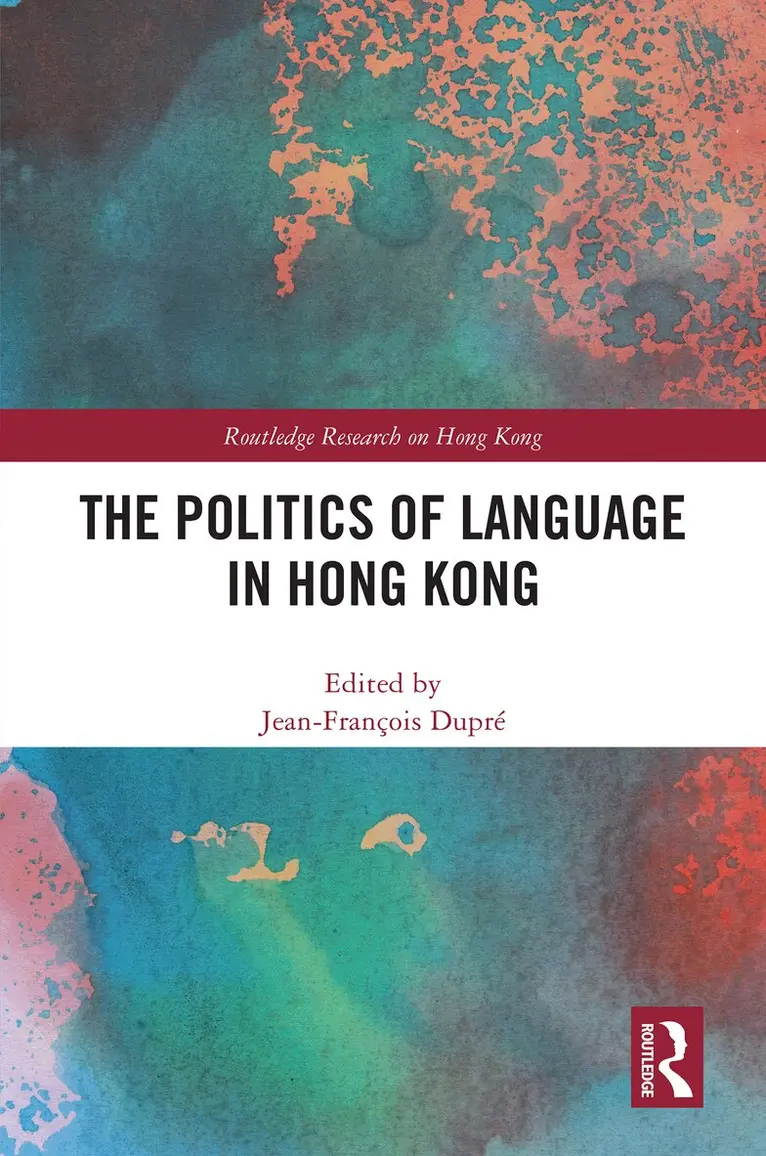
This book investigates the politics of language in Hong Kong from a multidisciplinary perspective, showcasing original studies on language use in protest movements, written Cantonese, language attitudes, literary creation, mass media, and popular music.
Representing the work of scholars of various disciplines ranging from political science and history to linguistics, communication, and cultural studies, the book offers a multifaceted and timely account on the state of language in the rapidly changing city. Proposing a conceptual framework that distinguishes between language politics and the language of politics, it effectively underscores the importance of identity and ideology in studying the politics of language across different settings and disciplines.
As a study of the language issue in Hong Kong, this book is a valuable resource for scholars and students of Hong Kong studies and Chinese studies and to researchers of sociolinguistics and the politics of language.
838 kr
Läs direkt efter köp
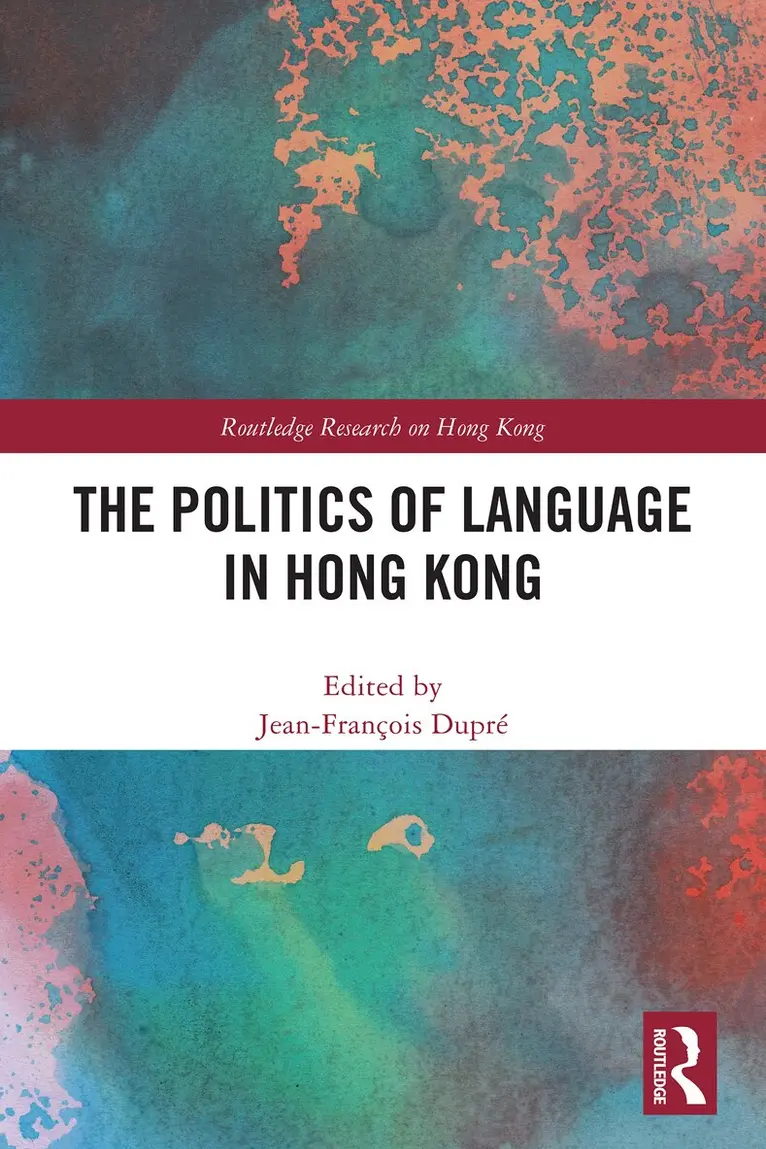
This book investigates the politics of language in Hong Kong from a multidisciplinary perspective, showcasing original studies on language use in protest movements, written Cantonese, language attitudes, literary creation, mass media, and popular music.
Representing the work of scholars of various disciplines ranging from political science and history to linguistics, communication, and cultural studies, the book offers a multifaceted and timely account on the state of language in the rapidly changing city. Proposing a conceptual framework that distinguishes between language politics and the language of politics, it effectively underscores the importance of identity and ideology in studying the politics of language across different settings and disciplines.
As a study of the language issue in Hong Kong, this book is a valuable resource for scholars and students of Hong Kong studies and Chinese studies and to researchers of sociolinguistics and the politics of language.
756 kr
Skickas inom 10-15 vardagar
2 534 kr
Skickas inom 10-15 vardagar
858 kr
Läs direkt efter köp
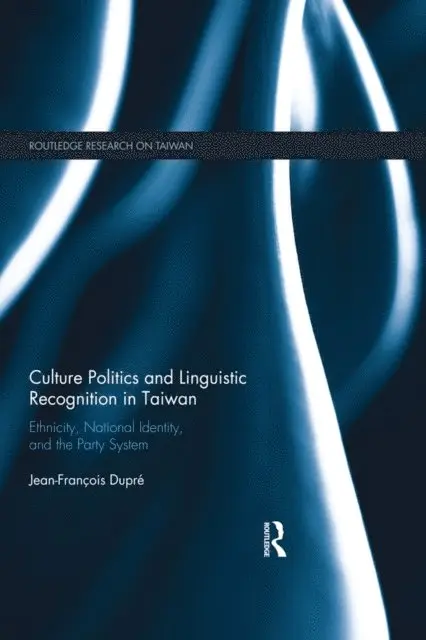
The consolidation of Taiwanese identity in recent years has been accompanied by two interrelated paradoxes: a continued language shift from local Taiwanese languages to Mandarin Chinese, and the increasing subordination of the Hoklo majority culture in ethnic policy and public identity discourses. A number of initiatives have been undertaken toward the revitalization and recognition of minority cultures. At the same time, however, the Hoklo majority culture has become akin to a political taboo.
This book examines how the interplay of ethnicity, national identity and party politics has shaped current debates on national culture and linguistic recognition in Taiwan. It suggests that the ethnolinguistic distribution of the electorate has led parties to adopt distinctive strategies in an attempt to broaden their ethnic support bases. On the one hand, the DPP and the KMT have strived to play down their respective de-Sinicization and Sinicization ideologies, as well as their Hoklo and Chinese ethnocultural cores. At the same time, the parties have competed to portray themselves as the legitimate protectors of minority interests by promoting Hakka and Aboriginal cultures. These concomitant logics have discouraged parties from appealing to ethnonationalist rhetoric, prompting them to express their antagonistic ideologies of Taiwanese and Chinese nationalism through more liberal conceptions of language rights. Therefore, the book argues that constraints to cultural and linguistic recognition in Taiwan are shaped by political rather than cultural and sociolinguistic factors.
Investigating Taiwan’s counterintuitive ethnolinguistic situation, this book makes an important theoretical contribution to the literature to many fields of study and will appeal to scholars of Taiwanese politics, sociolinguistics, culture and history.
864 kr
Läs direkt efter köp
The consolidation of Taiwanese identity in recent years has been accompanied by two interrelated paradoxes: a continued language shift from local Taiwanese languages to Mandarin Chinese, and the increasing subordination of the Hoklo majority culture in ethnic policy and public identity discourses. A number of initiatives have been undertaken toward the revitalization and recognition of minority cultures. At the same time, however, the Hoklo majority culture has become akin to a political taboo.
This book examines how the interplay of ethnicity, national identity and party politics has shaped current debates on national culture and linguistic recognition in Taiwan. It suggests that the ethnolinguistic distribution of the electorate has led parties to adopt distinctive strategies in an attempt to broaden their ethnic support bases. On the one hand, the DPP and the KMT have strived to play down their respective de-Sinicization and Sinicization ideologies, as well as their Hoklo and Chinese ethnocultural cores. At the same time, the parties have competed to portray themselves as the legitimate protectors of minority interests by promoting Hakka and Aboriginal cultures. These concomitant logics have discouraged parties from appealing to ethnonationalist rhetoric, prompting them to express their antagonistic ideologies of Taiwanese and Chinese nationalism through more liberal conceptions of language rights. Therefore, the book argues that constraints to cultural and linguistic recognition in Taiwan are shaped by political rather than cultural and sociolinguistic factors.
Investigating Taiwan’s counterintuitive ethnolinguistic situation, this book makes an important theoretical contribution to the literature to many fields of study and will appeal to scholars of Taiwanese politics, sociolinguistics, culture and history.
274 kr
Skickas inom 7-10 vardagar