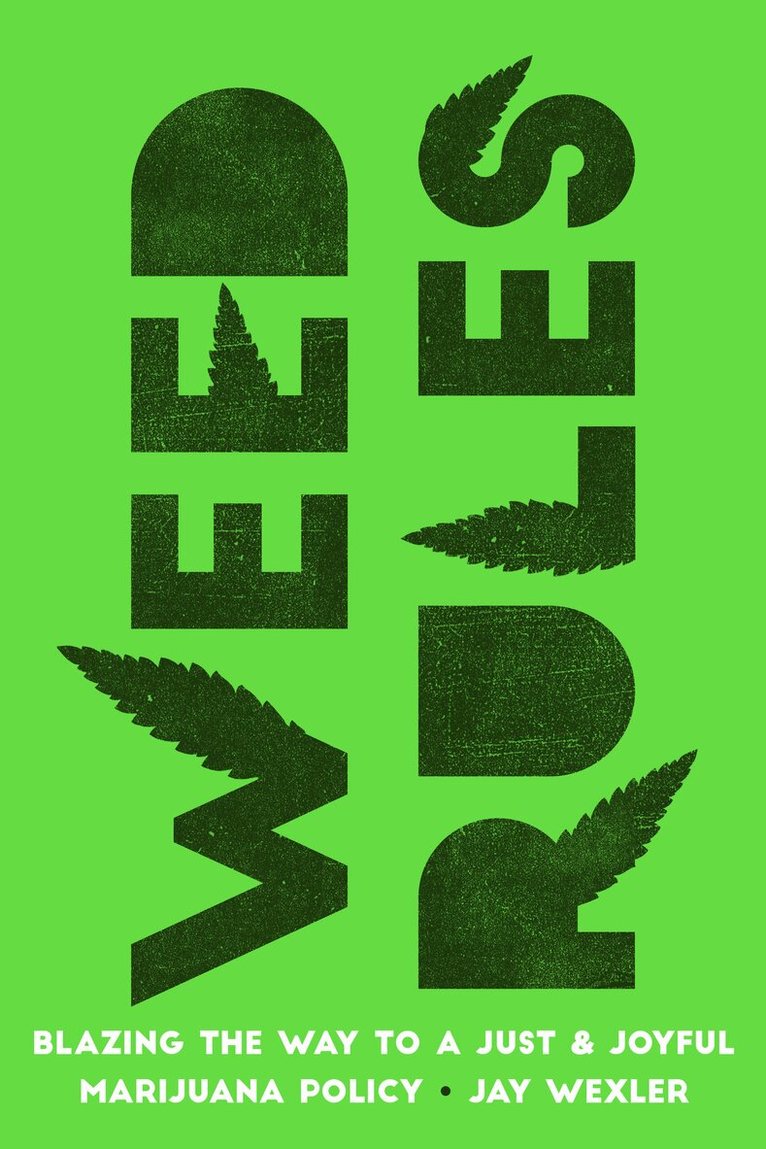
With full legalization seeming inevitable, it's time to shift the conversation—from whether recreational cannabis should be legalized to how. Weed Rules argues that it's time for states to abandon their "grudging tolerance" approach to legal weed and to embrace "careful exuberance." In this thorough and witty book, law professor Jay Wexler invites policy makers to responsibly embrace the enormous benefits of cannabis, including the joy and euphoria it brings to those who use it. The "grudging tolerance" approach has led to restrictions that are too strict in some cases—limiting how and where cannabis can be used, cultivated, marketed, and sold—and far too loose in others, allowing employers and police to discriminate against users. This book shows how focusing on joy and community can lead us to an equitable marijuana policy in which minority communities, most harmed by the war on drugs, play a leading role in the industry. Centering pleasure and fun as legitimate policy goals, Weed Rules puts forth specific policies to advocate for a more just, sensible, and joyous post-legalization society.
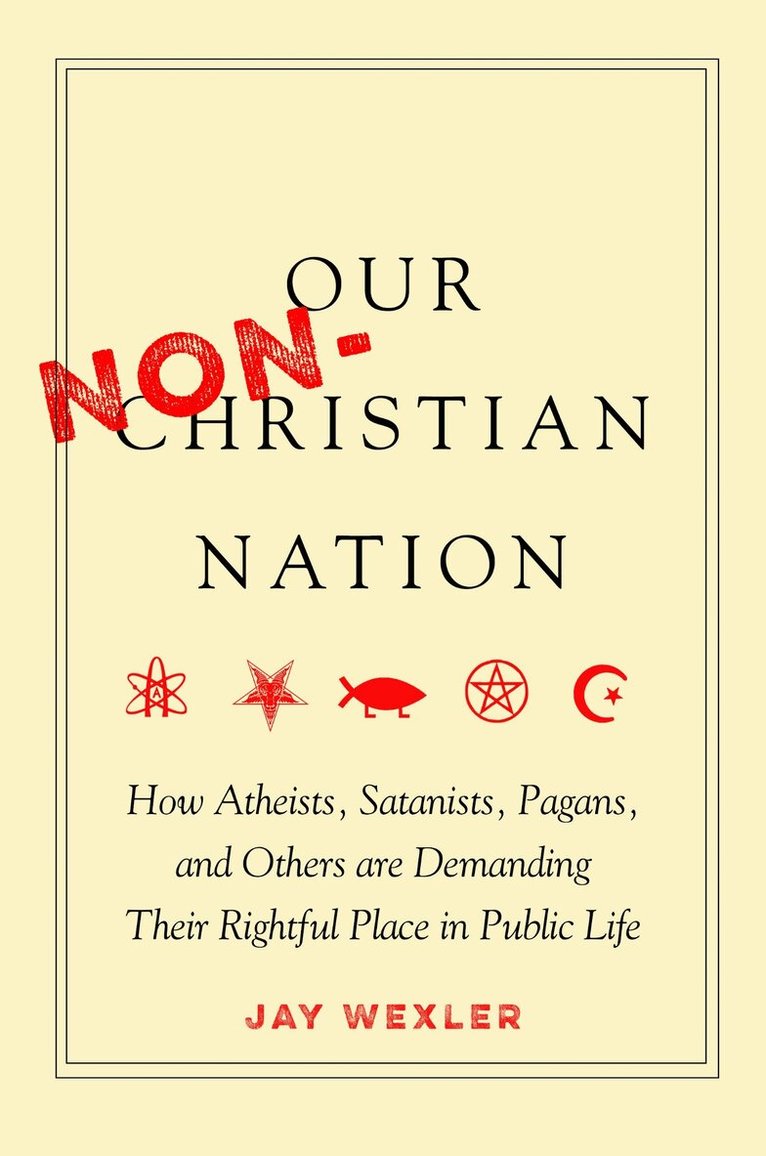
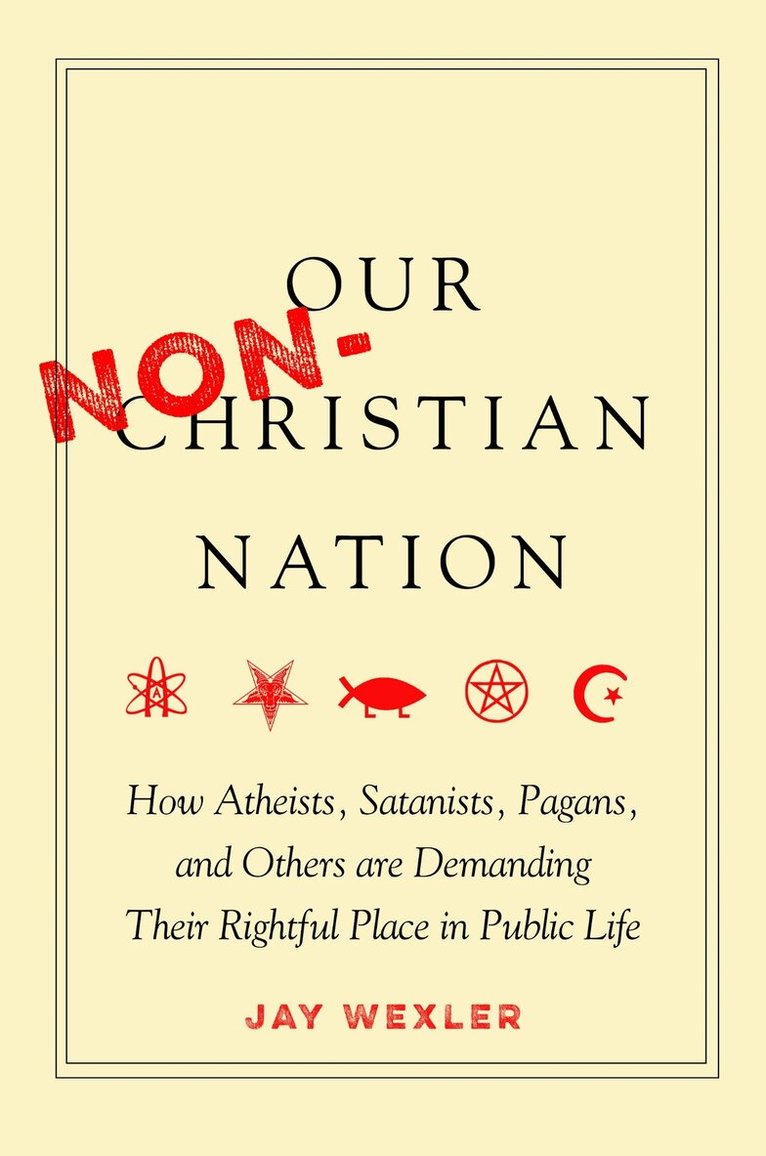
Less and less Christian demographically, America is now home to an ever-larger number of people who say they identify with no religion at all. These non-Christians have increasingly been demanding their full participation in public life, bringing their arguments all the way to the Supreme Court. The law is on their side, but that doesn't mean that their attempts are not met with suspicion or outright hostility. In Our Non-Christian Nation, Jay Wexler travels the country to engage the non-Christians who have called on us to maintain our ideals of inclusivity and diversity. With his characteristic sympathy and humor, he introduces us to the Summum and their Seven Aphorisms, a Wiccan priestess who would deck her City Hall with a pagan holiday wreath, and other determined champions of free religious expression. As Wexler reminds us, anyone who cares about pluralism, equality, and fairness should support a public square filled with a variety of religious and nonreligious voices. The stakes are nothing short of long-term social peace.
"Essential reading for anyone interested in understanding the contemporary battles over religion''s role in our national politics and culture." —Phil Zuckerman, author of Living the Secular Life Less and less Christian demographically, America is now home to an ever-larger number of people who say they identify with no religion at all. These non-Christians have increasingly been demanding their full participation in public life, bringing their arguments all the way to the Supreme Court. The law is on their side, but that doesn''t mean that their attempts are not met with suspicion or outright hostility. In Our Non-Christian Nation, Jay Wexler travels the country to engage the non-Christians who have called on us to maintain our ideals of inclusivity and diversity. With his characteristic sympathy and humor, he introduces us to the Summum and their Seven Aphorisms, a Wiccan priestess who would deck her City Hall with a pagan holiday wreath, and other determined champions of free religious expression. As Wexler reminds us, anyone who cares about pluralism, equality, and fairness should support a public square filled with a variety of religious and nonreligious voices. The stakes are nothing short of long-term social peace. "A timely, at times funny, and compelling piece of reportage looking at a variety of religious groups, as well as a strong argument for the importance of a pluralistic society." —The Boston Globe "In this brilliantly erudite and hugely entertaining romp through recent religious and legal history, Jay Wexler shows why, as our country becomes more religiously diverse, non-Christians need to get their voices heard and Christians need to help repair the wall between church and state. A marvelous read." —Michael Shermer, Skeptic
Less and less Christian demographically, America is now home to an ever-larger number of people who say they identify with no religion at all. These non-Christians have increasingly been demanding their full participation in public life, bringing their arguments all the way to the Supreme Court. The law is on their side, but that doesn't mean that their attempts are not met with suspicion or outright hostility. In Our Non-Christian Nation, Jay Wexler travels the country to engage the non-Christians who have called on us to maintain our ideals of inclusivity and diversity. With his characteristic sympathy and humor, he introduces us to the Summum and their Seven Aphorisms, a Wiccan priestess who would deck her City Hall with a pagan holiday wreath, and other determined champions of free religious expression. As Wexler reminds us, anyone who cares about pluralism, equality, and fairness should support a public square filled with a variety of religious and nonreligious voices. The stakes are nothing short of long-term social peace.