1 040 kr
Skickas inom 10-15 vardagar
1 040 kr
Skickas inom 10-15 vardagar
721 kr
Skickas inom 10-15 vardagar
393 kr
Läs direkt efter köp
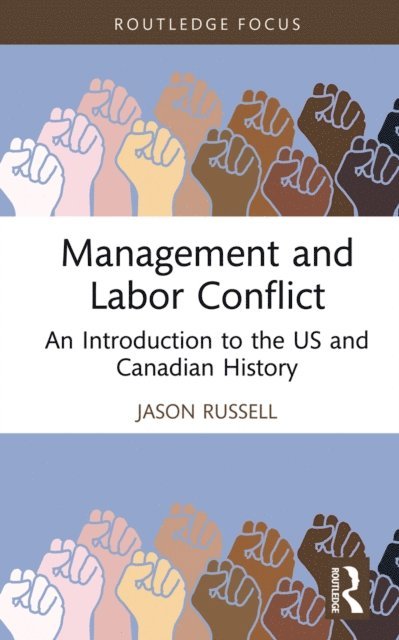
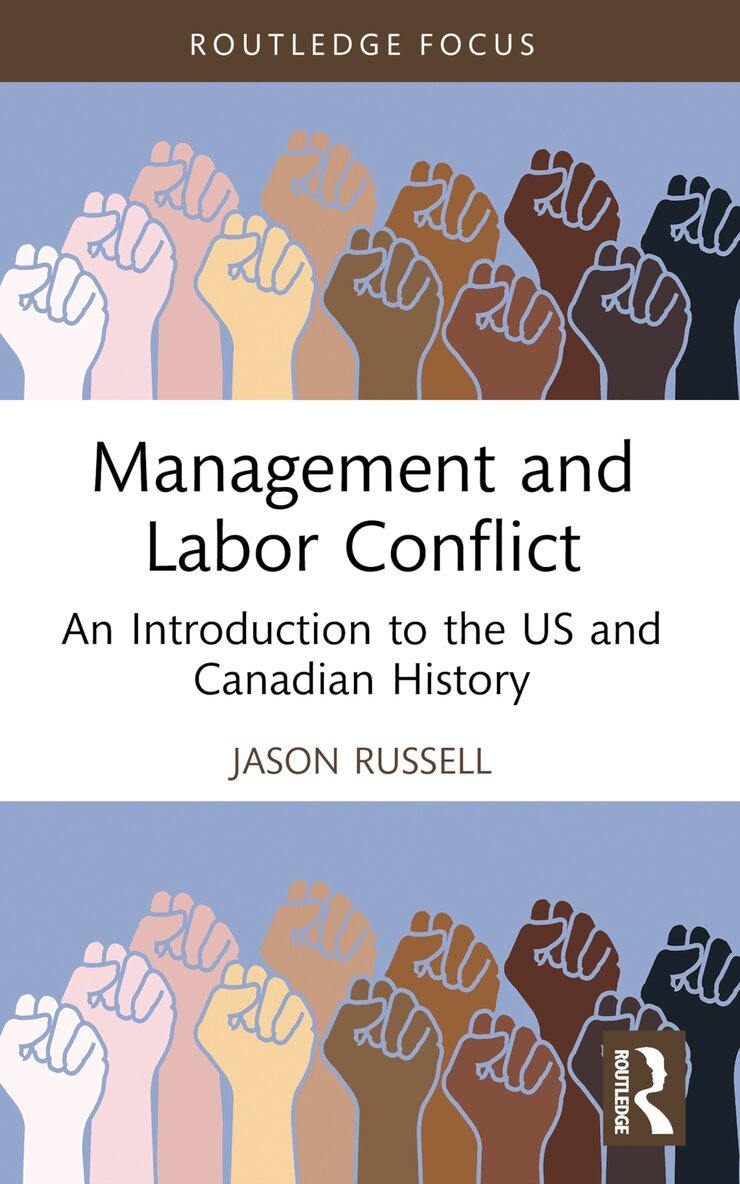
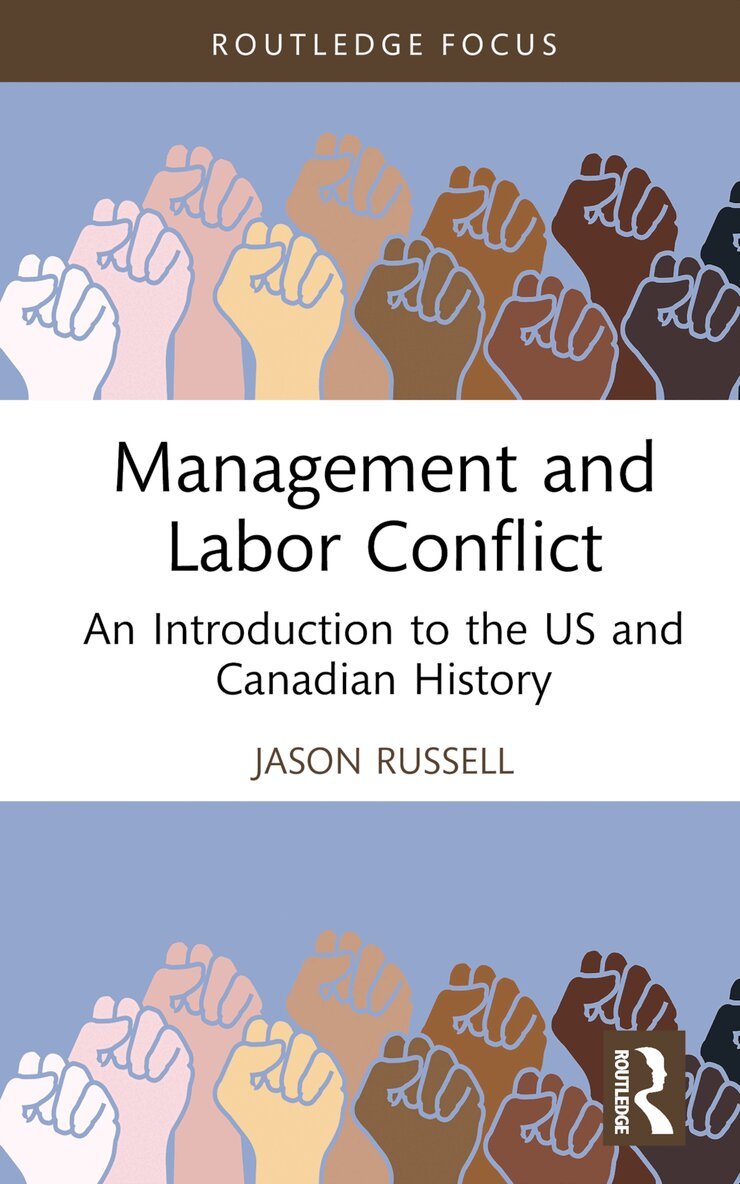
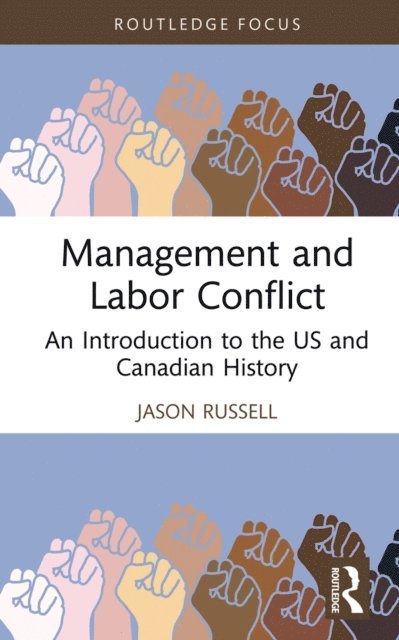
Management and labor have been adversaries in American and Canadian workplaces since the time of colonial settlement. Labor lacked full legal legitimacy in Canada and the United States until the mid-1930s and the passage of laws that granted collective bargaining rights and protection from dismissal due to union activity. The US National Labor Relations Act (Wagner Act) became the model for labor laws in both countries. Organized labor began to decline in the United States in the late 1960s due to a variety of factors including electoral politics, internal social and cultural differences, and economic change. Canadian unions fared better in comparison to their American counterparts, but still engaged in significant struggles.
This analysis focuses on management and labor interaction in the United States and Canada from the 1930s to the turn of the second decade of the twenty-first century. It also includes a short overview of employer and worker interaction from the time of European colonization to the 1920s. The book addresses two overall questions: In what forms did management and labor conflict occur and how was labor-management interaction different between the two countries? It pays particular attention to key events and practices where the United States and Canada diverged when it came to labor-management conflict including labor law, electoral politics, social and economic change, and unionization patterns in the public and private sectors.
This book shows that there were key points of convergence and divergence in the past between the United States and Canada that explain current differences in labor-management conflict and interaction in the two countries. It will be of interest to researchers, academics, and students in the fields of management and labor history, employment and labor relations, and industrial relations.
351 kr
Läs direkt efter köp
Management and labor have been adversaries in American and Canadian workplaces since the time of colonial settlement. Labor lacked full legal legitimacy in Canada and the United States until the mid-1930s and the passage of laws that granted collective bargaining rights and protection from dismissal due to union activity. The US National Labor Relations Act (Wagner Act) became the model for labor laws in both countries. Organized labor began to decline in the United States in the late 1960s due to a variety of factors including electoral politics, internal social and cultural differences, and economic change. Canadian unions fared better in comparison to their American counterparts, but still engaged in significant struggles.
This analysis focuses on management and labor interaction in the United States and Canada from the 1930s to the turn of the second decade of the twenty-first century. It also includes a short overview of employer and worker interaction from the time of European colonization to the 1920s. The book addresses two overall questions: In what forms did management and labor conflict occur and how was labor-management interaction different between the two countries? It pays particular attention to key events and practices where the United States and Canada diverged when it came to labor-management conflict including labor law, electoral politics, social and economic change, and unionization patterns in the public and private sectors.
This book shows that there were key points of convergence and divergence in the past between the United States and Canada that explain current differences in labor-management conflict and interaction in the two countries. It will be of interest to researchers, academics, and students in the fields of management and labor history, employment and labor relations, and industrial relations.
341 kr
Skickas inom 10-15 vardagar
817 kr
Skickas
387 kr
Skickas inom 10-15 vardagar
393 kr
Läs direkt efter köp
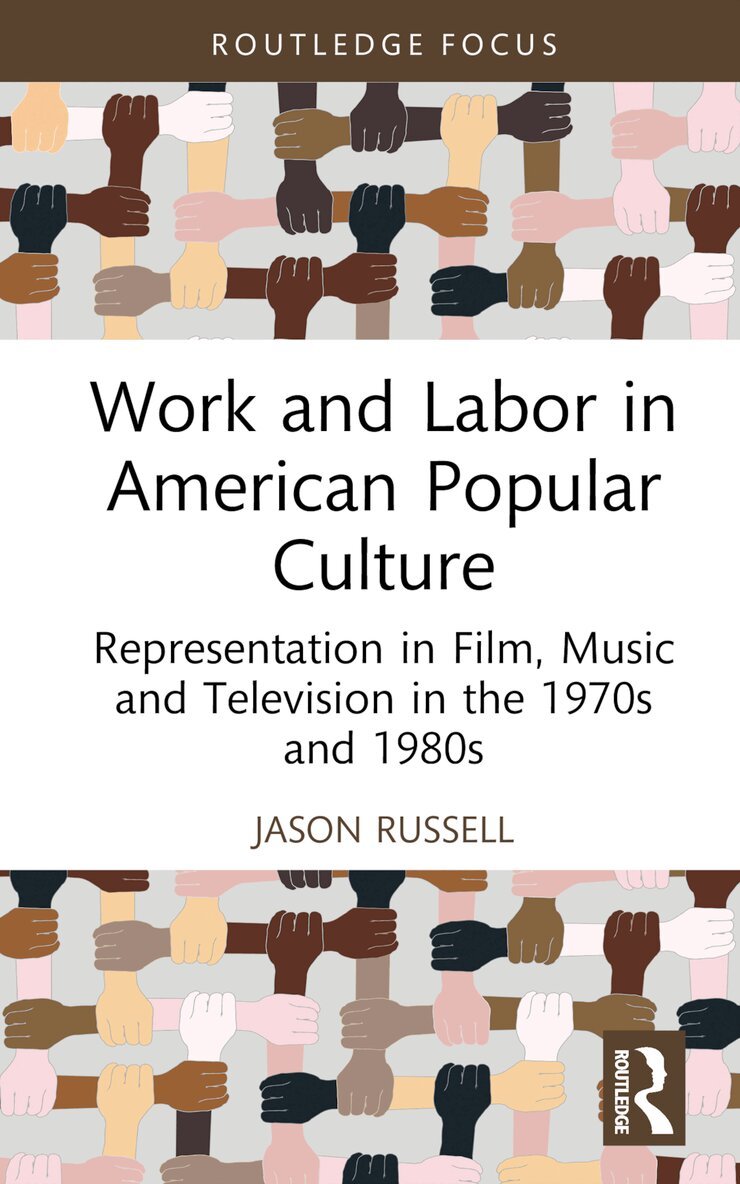
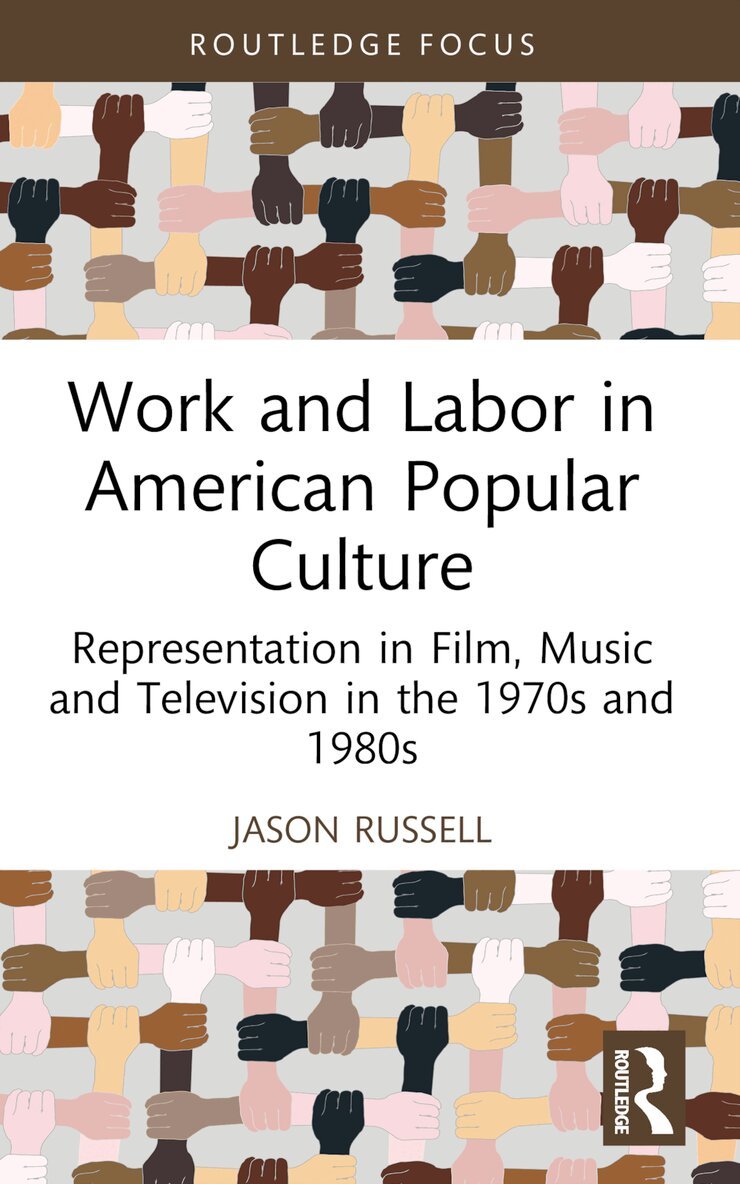
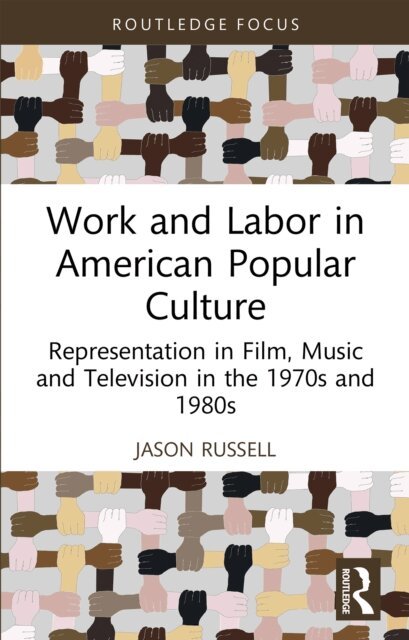
Crisis and decline in the working class were frequent themes in American popular culture during the 1970s. In contrast, more positive narratives about America’s managerial and professional class appeared during the 1980s. Focusing on these two key decades, this book explores how portrayals of social class and associated work and labor issues including gender and race appeared in specific films, television shows, and music. Comparing and contrasting how forms of popular media portrayed both unionized and non-unionized workers, the book discusses how workers’ perceptions of themselves were in turn shaped by messages conveyed through media. The book opens with an introduction which outlines the historical context of the immediate post-war period and the heightened social, political, and economic tension of the Cold War era. Three substantial chapters then explore film, television, and music in turn, looking at key works including Star Wars, Coming Home, 9 to 5, Good Times, The Mary Tyler Moore Show, and the music of Bruce Springsteen and rap artists. Drawing on both primary and secondary sources, the book is principally situated within wider labor and working-class history research, and the relatively new history of capitalism historical sub-field. This book is vital reading for anyone interested in issues around labor and work in the media, labor history, and popular culture history during two key decades in modern American history.
2 620 kr
Skickas inom 10-15 vardagar
786 kr
Läs direkt efter köp
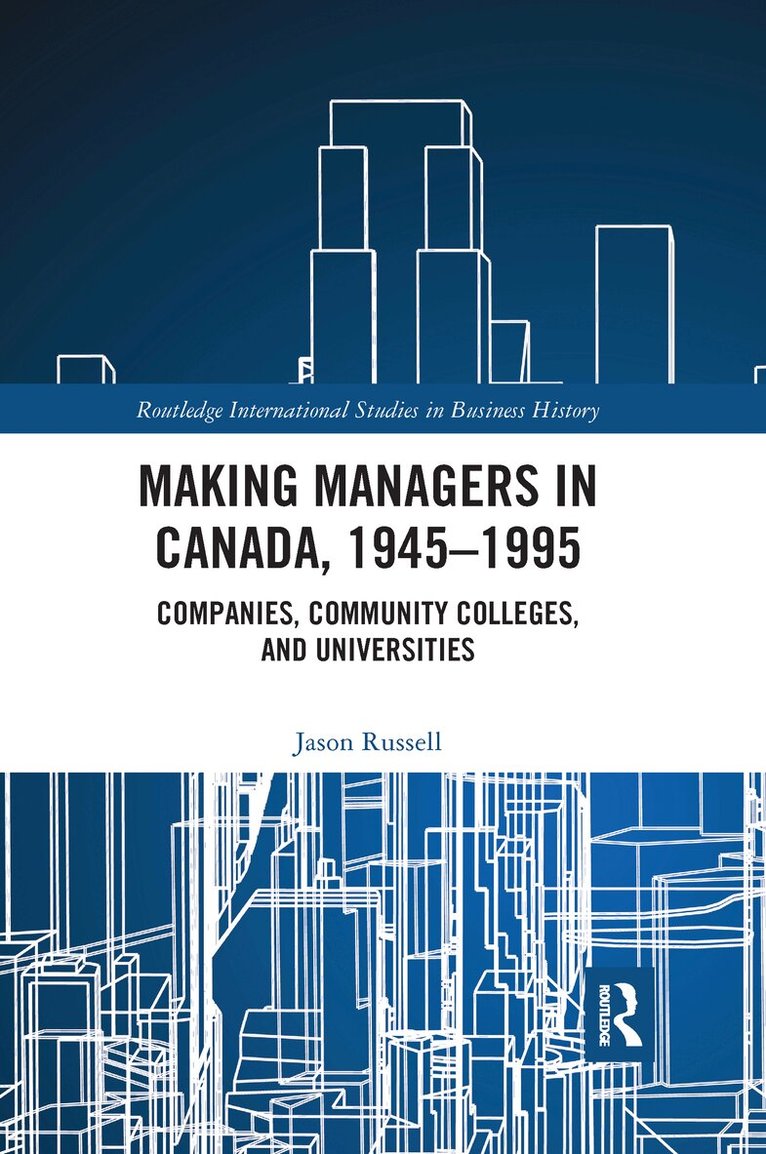
Management education and training was a key influence on Canadian capital and labour in the post-World War II decades, however it has been the subject of comparatively little academic inquiry. In many ways, historians have frequently learned about management behavior in unionized workplaces by examining labor-management relations. The management experience has thus often been seen through the eyes of rank-and-file workers rather than from the perspective of managers themselves. This book discusses how managers were trained and educated in Canada in the years following the Second World War.
Making Managers in Canada, 1945 – 1995 seeks to shed light on the experience of workers who have not received much attention in business history: managers. This book approaches management training from both institutional and social history perspectives. Drawing from community colleges, universities, and companies in British Columbia, Ontario, and Québec, this book reveals the nature of management education and training in English and French Canada, It integrates institutional analysis, and examines how factors such as gender and social class shaped the development of Canadian management in the post-war years and illustrates the various international influences on Canadian management education.
791 kr
Läs direkt efter köp
Management education and training was a key influence on Canadian capital and labour in the post-World War II decades, however it has been the subject of comparatively little academic inquiry. In many ways, historians have frequently learned about management behavior in unionized workplaces by examining labor-management relations. The management experience has thus often been seen through the eyes of rank-and-file workers rather than from the perspective of managers themselves. This book discusses how managers were trained and educated in Canada in the years following the Second World War.
Making Managers in Canada, 1945 – 1995 seeks to shed light on the experience of workers who have not received much attention in business history: managers. This book approaches management training from both institutional and social history perspectives. Drawing from community colleges, universities, and companies in British Columbia, Ontario, and Québec, this book reveals the nature of management education and training in English and French Canada, It integrates institutional analysis, and examines how factors such as gender and social class shaped the development of Canadian management in the post-war years and illustrates the various international influences on Canadian management education.
211 kr
Skickas inom 7-10 vardagar
245 kr
Skickas inom 3-6 vardagar
247 kr
Skickas inom 3-6 vardagar
247 kr
Skickas inom 3-6 vardagar
245 kr
Skickas inom 3-6 vardagar
241 kr
Skickas inom 3-6 vardagar
245 kr
Skickas inom 3-6 vardagar
245 kr
Skickas inom 3-6 vardagar
247 kr
Skickas inom 3-6 vardagar
251 kr
Tillfälligt slut
372 kr
Tillfälligt slut