2 526 kr
Skickas inom 10-15 vardagar
2 526 kr
Skickas inom 10-15 vardagar
578 kr
Skickas inom 10-15 vardagar
661 kr
Läs direkt efter köp
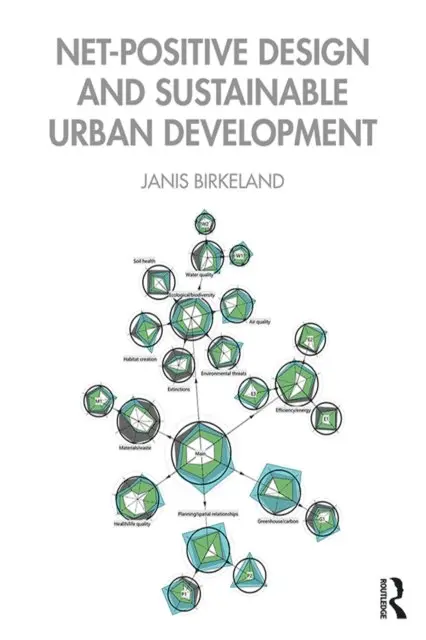
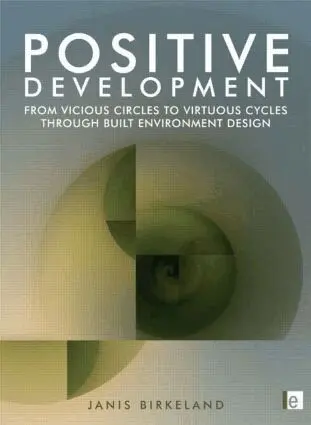
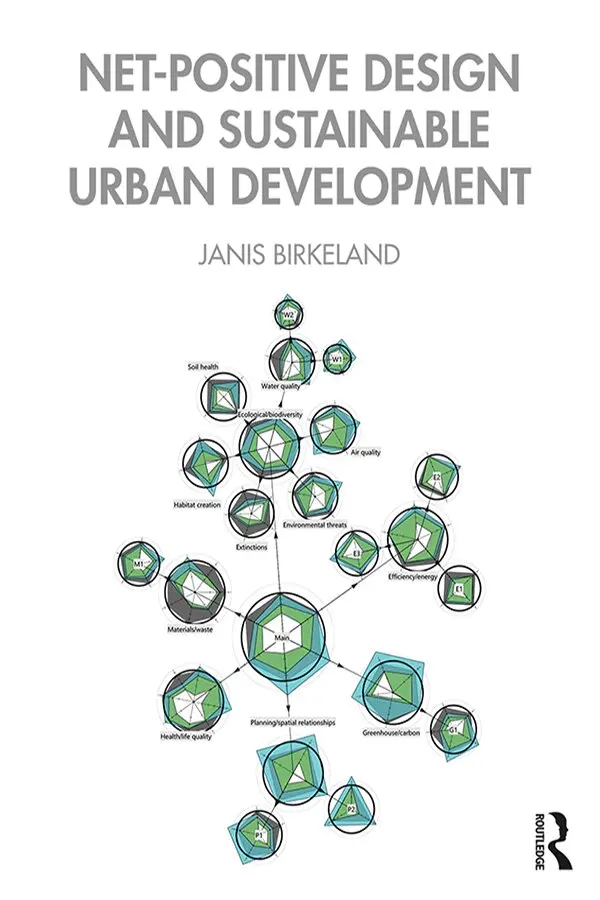
‘Sustainable’ urban planning, policy and design professes to solve sustainability problems, but often depletes and degrades ever more resources and ecosystems and concentrates wealth and concretize social disparities. Positive Development theory holds that development could create more net ecological and social gains than no construction at all. It explains how existing conceptual, physical and institutional structures are inherently biased against the preservation and expansion of social and natural life-support systems, and proposes explicit reforms to planning, design and decision making that would enable development to increase future options and social and natural life-support systems – in absolute terms.
Net-Positive Design and Sustainable Urban Development is aimed at students, academics, professionals and sustainability advocates who wonder why existing approaches have been ineffective. It explains how to reform the anti-ecological biases in our current frameworks of environmental governance, planning, decision making and design – and suggests how to make these changes. Cities can increase both the ‘public estate’ (reduce social stratification, inequity and other causes of conflict, increase environmental quality, wellbeing and access to basic needs, etc.); and the ‘ecological base’ (sequester more carbon and produce more energy than used during construction and operation, increase ecological space to support ecological carrying capacity, ecosystem functions and services, restore the bioregions and wilderness, etc.). No small task, this new book provides academic theory and professional tools for saving the planet, including a free computer app for net-positive design.
671 kr
Läs direkt efter köp
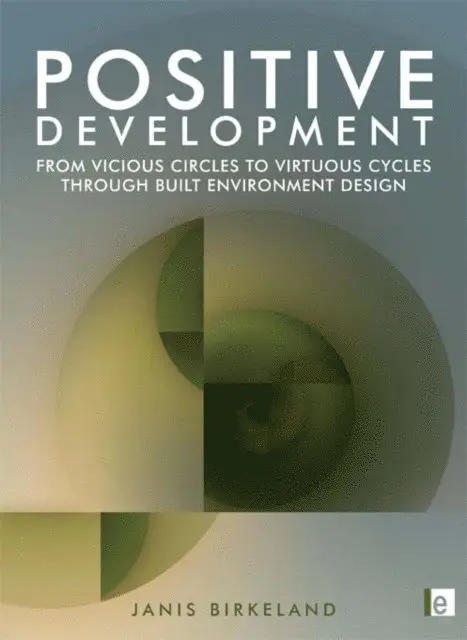
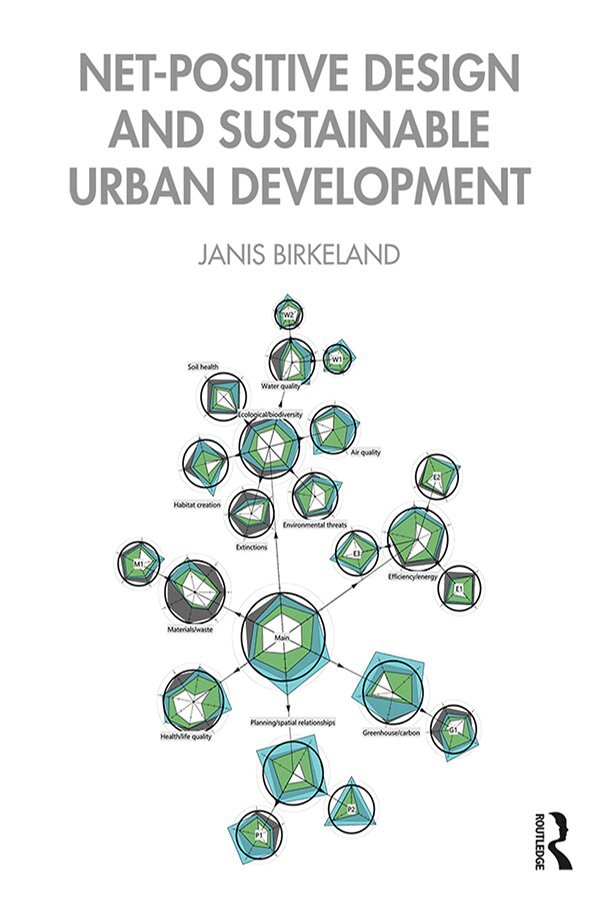
‘Sustainable’ urban planning, policy and design professes to solve sustainability problems, but often depletes and degrades ever more resources and ecosystems and concentrates wealth and concretize social disparities. Positive Development theory holds that development could create more net ecological and social gains than no construction at all. It explains how existing conceptual, physical and institutional structures are inherently biased against the preservation and expansion of social and natural life-support systems, and proposes explicit reforms to planning, design and decision making that would enable development to increase future options and social and natural life-support systems – in absolute terms.
Net-Positive Design and Sustainable Urban Development is aimed at students, academics, professionals and sustainability advocates who wonder why existing approaches have been ineffective. It explains how to reform the anti-ecological biases in our current frameworks of environmental governance, planning, decision making and design – and suggests how to make these changes. Cities can increase both the ‘public estate’ (reduce social stratification, inequity and other causes of conflict, increase environmental quality, wellbeing and access to basic needs, etc.); and the ‘ecological base’ (sequester more carbon and produce more energy than used during construction and operation, increase ecological space to support ecological carrying capacity, ecosystem functions and services, restore the bioregions and wilderness, etc.). No small task, this new book provides academic theory and professional tools for saving the planet, including a free computer app for net-positive design.
999 kr
Läs direkt efter köp
999 kr
Läs direkt efter köp
977 kr
Läs direkt efter köp
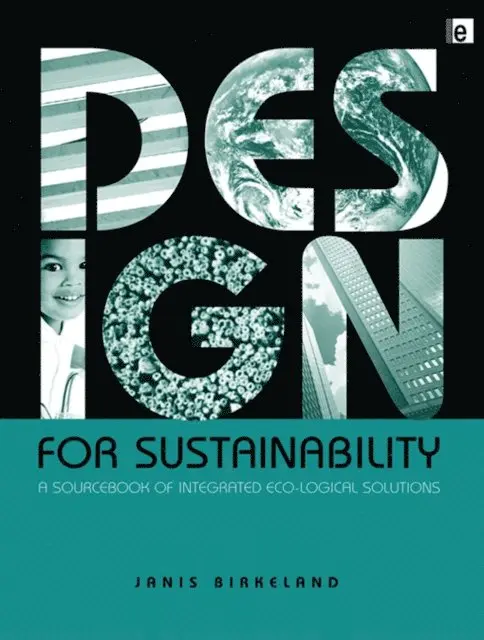
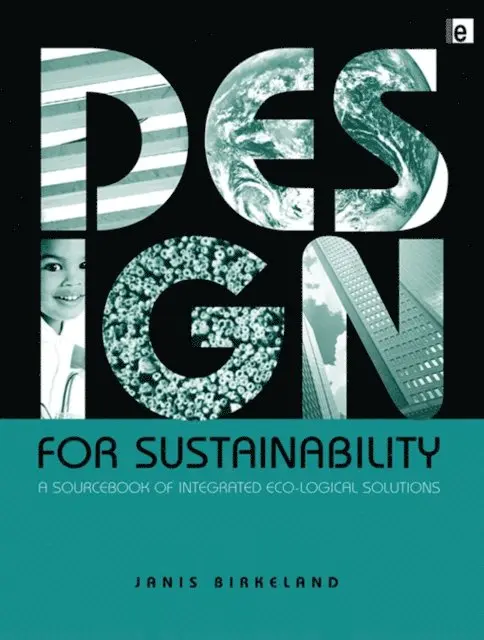
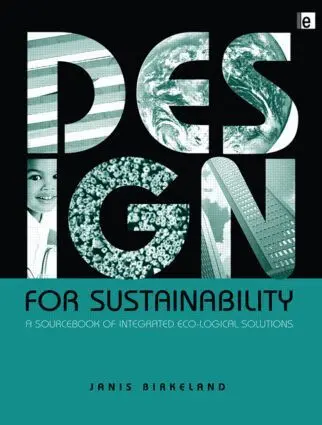
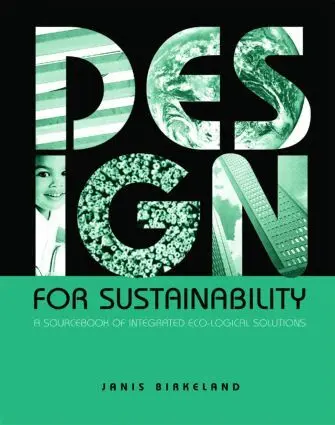
With radical and innovative design solutions, everyone could be living in buildings and settlements that are more like gardens than cargo containers, and that purify air and water, generate energy, treat sewage and produce food - at lower cost. Birkeland introduces systems design thinking that cuts across academic and professional boundaries and the divide between social and physical sciences to move towards a transdiciplinary approach to environmental and social problem-solving. This sourcebook is useful for teaching, as each topic within the field of environmental management and social change has pairs of short readings providing diverse perspectives to compare, contrast and debate.
Design for Sustainability presents examples of integrated systems design based on ecological principles and concepts and drawn from the foremost designers in the fields of industrial design, materials, housing design, urban planning and transport, landscape and permaculture, and energy and resource management.
999 kr
Läs direkt efter köp
With radical and innovative design solutions, everyone could be living in buildings and settlements that are more like gardens than cargo containers, and that purify air and water, generate energy, treat sewage and produce food - at lower cost. Birkeland introduces systems design thinking that cuts across academic and professional boundaries and the divide between social and physical sciences to move towards a transdiciplinary approach to environmental and social problem-solving. This sourcebook is useful for teaching, as each topic within the field of environmental management and social change has pairs of short readings providing diverse perspectives to compare, contrast and debate.
Design for Sustainability presents examples of integrated systems design based on ecological principles and concepts and drawn from the foremost designers in the fields of industrial design, materials, housing design, urban planning and transport, landscape and permaculture, and energy and resource management.
3 781 kr
Skickas inom 7-10 vardagar
823 kr
Skickas inom 10-15 vardagar
819 kr
Skickas inom 10-15 vardagar
2 502 kr
Skickas inom 10-15 vardagar