A good folktale triggers the imagination, connecting children to a wider world as well as increasing their vocabulary and comprehension skills. In this delightful and easy-to-use book, teacher and storyteller Del Negro gives librarians, teachers, and parents the keys to storytelling success. Including two dozen original adaptations of folktales from around the world, tailored specifically for library and classroom use, she: Reviews storytelling basics such as selecting a tale and learning the storyOffers tips for dealing with stage fright and reluctant listenersPresents a bibliography of recommended online and print resources, steering readers to more wonderful tales to tellFor young listeners the folktale is a perfect gateway to the exciting worlds of culture and literature, and Del Negro’s book invites their engagement with proven techniques and original story scripts that can be used by experienced as well as beginning tellers.
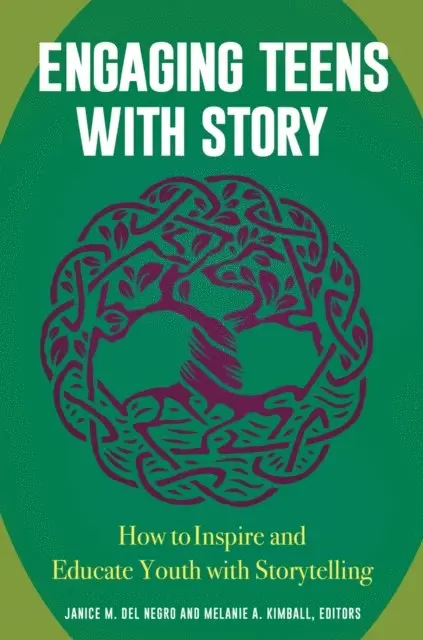
Based on proven theory and real-life experience, this guidebook provides a one-stop resource for educators, librarians, and storytellers looking to introduce storytelling programs for young adults.Storytelling is often associated with storytime and library services to young children, but effective storytelling speaks to all ages—including teens. Engaging Teens with Story: How to Inspire and Educate Youth with Storytelling offers an in-depth look at storytelling for young adults that explains the benefits of storytelling with this audience, what current practices are, and storytelling opportunities to explore with youth. It provides a unique source of expert guidance that youth services librarians, professional storytellers, and middle and high school teachers will appreciate.Readers will learn how to find stories for teens, apply proven techniques for successful telling of tales to teens, use traditional literature as a basis for creative writing, and establish a teen storytelling club or troupe. The guide also covers how teens can create their own stories with digital media; the connections between traditional folk and fairy tales and today's film, television, books, and online media; and how storytelling can be successfully used with at-risk youth.
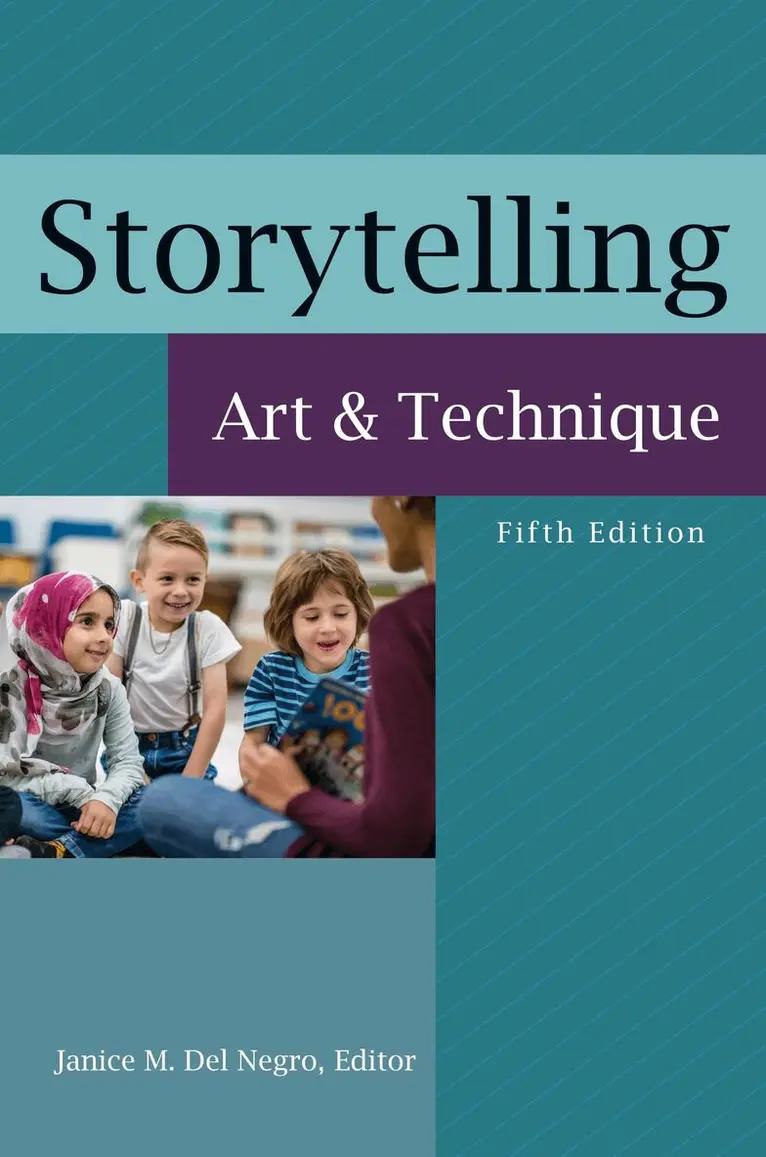
This book serves as both a textbook and reference for faculty and students in LIS courses on storytelling and a professional guide for practicing librarians, particularly youth services librarians in public and school libraries.Storytelling: Art and Technique serves professors, students, and practitioners alike as a textbook, reference, and professional guide. It provides practical instruction and concrete examples of how to use the power of story to build literacy and presentation skills, as well as to create community in those same educational spaces.This text illustrates the value of storytelling, covers the history of storytelling in libraries, and offers valuable guidance for bringing stories to contemporary listeners, with detailed instructions on the selection, preparation, and presentation of stories. It also provides guidance around the planning and administration of a storytelling program. Topics include digital storytelling, open mics and slams, and the neuroscience of storytelling. An extensive and helpful section of resources for the storyteller is included in an expanded Part V of this edition.