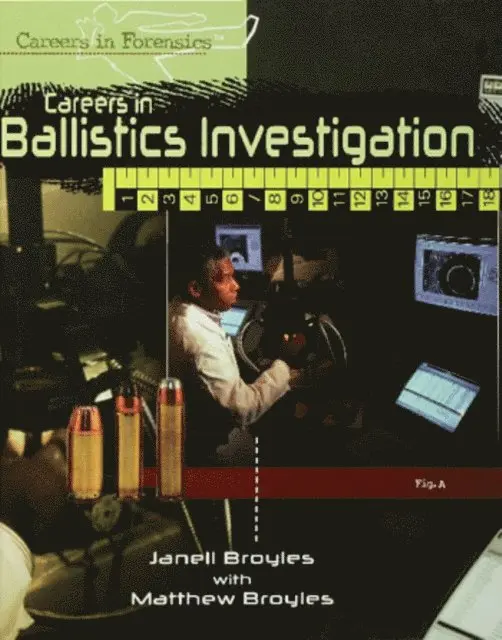
This book presents background information, job descriptions, education plans, job search tips, and career advice for people interested in forensic ballistics, the science of analyzing firearm usage in crimes. Chapter Titles: Solving Crimes with Forensic Ballistics, Forensic Ballistics Techniques, Training and Education, Building a Career in Forensic Ballistics, and The Future of Forensic Ballistics.
Created out of existing Marine forces and resources, the Chemical Biological Incident Response Force''s responsibilities include reconnaissance, detection, decontamination, medical, security, and service support for managing crisis situations at home and abroad. It is a special Marine unit of first responders designed to be a well-trained, quick-moving group of soldiers, doctors, and scientists who can be mobilized to detect, prevent, or respond to terrorist threats or catastrophes that involve biological weapons, chemical weapons, or nuclear agents. In our current chaotic, destabilized, and threatening global environment, CBIRF may be the only thing that stands between us and a horrific and deadly new form of warfare waged on innocent civilian populations.
Hate is a universal human emotion. Everyone feels hatred at some point in their lives, but most of us choose not to lash out or are taught that it is wrong to use violence against others. Hate crimes arise when a person or a group decides to act on their hatred of another person or a group in a criminal way. Historically, the results have ranged from racial slurs and graffiti to lynchings, “ethnic cleansing,” and genocide. Sadly, hate crimes are not a thing of the dark and vanished past but very much a part of our present, both worldwide and in our own nation’s cities, suburbs, and small towns.
This guidebook defines and informs on a pressing and pervasive issue—hate crime. A hate crime is a criminal attack committed against people, property, or society, which is motivated by an offender''s bias against a person or group''s race, religion, ethnic/national origin, gender, age, disability, or sexual orientation. Readers are provided with a thought-provoking survey on hate crimes throughout history and hate crime legislation, its past, present, and future. Readers learn how hate crime happens, who commits hate crimes, and who have been victims of bias attacks. "Myths and Facts" and "Ten Questions to Ask" sidebars help dispel misconceptions and give teens additional guidance. The narrative also provides an overview of hate crime on a global level.