1 375 kr
Läs direkt efter köp
1 375 kr
Läs direkt efter köp
505 kr
Läs direkt efter köp
134 kr
Läs direkt efter köp
134 kr
Läs direkt efter köp
2 088 kr
Skickas inom 3-6 vardagar
197 kr
Skickas inom 5-8 vardagar
737 kr
Skickas inom 7-10 vardagar
1 182 kr
Skickas inom 10-15 vardagar
1 582 kr
Skickas inom 7-10 vardagar
690 kr
Skickas inom 7-10 vardagar
474 kr
Skickas inom 10-15 vardagar
266 kr
Skickas inom 7-10 vardagar
2 526 kr
Skickas inom 10-15 vardagar
2 497 kr
Skickas inom 10-15 vardagar
745 kr
Skickas inom 10-15 vardagar
2 526 kr
Skickas inom 10-15 vardagar
754 kr
Skickas inom 10-15 vardagar
498 kr
Skickas inom 7-10 vardagar
219 kr
Skickas inom 11-20 vardagar
239 kr
Läs direkt efter köp
883 kr
Läs direkt efter köp
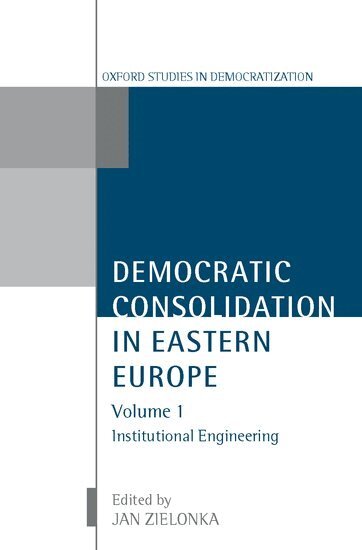
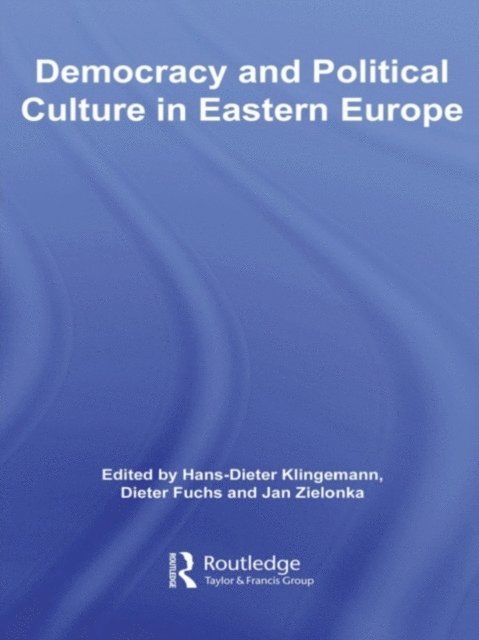
What is the relationship between democracy and political culture in countries undergoing major systemic change? Have subjective political orientations of citizens been important in shaping the development of democracy in central and eastern Europe after the fall of communism?
These core questions are tackled by an impressive range of twenty political scientists, sixteen of which are based in the central and eastern European countries covered in this essential new book. Their analyses draw on a unique set of data collected and processed by the contributors to this volume within the framework of the World Values Survey project. This data enables these authors to establish similarities and differences in support of democracy between a large number of countries with different cultural and structural conditions as well as historical legacies.
The macro-level findings of the book tend to support the proposition that support of democracy declines the further east one goes. In contrast, micro-level relationships have been found to be astonishingly similar. For example, support of democracy is always positively related to higher levels of education – no matter where an individual citizen happens to live. This new book builds a clear understanding of what makes democracies strong and resistant to autocratic temptation.
864 kr
Läs direkt efter köp
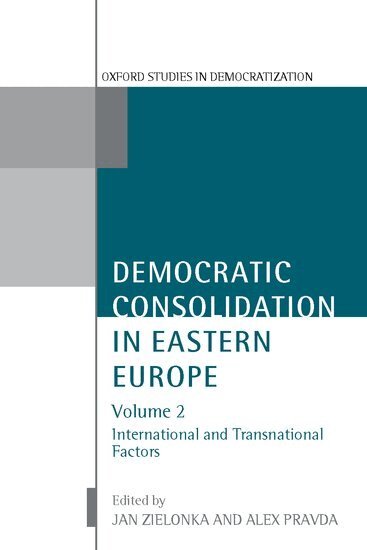
What is the relationship between democracy and political culture in countries undergoing major systemic change? Have subjective political orientations of citizens been important in shaping the development of democracy in central and eastern Europe after the fall of communism?
These core questions are tackled by an impressive range of twenty political scientists, sixteen of which are based in the central and eastern European countries covered in this essential new book. Their analyses draw on a unique set of data collected and processed by the contributors to this volume within the framework of the World Values Survey project. This data enables these authors to establish similarities and differences in support of democracy between a large number of countries with different cultural and structural conditions as well as historical legacies.
The macro-level findings of the book tend to support the proposition that support of democracy declines the further east one goes. In contrast, micro-level relationships have been found to be astonishingly similar. For example, support of democracy is always positively related to higher levels of education – no matter where an individual citizen happens to live. This new book builds a clear understanding of what makes democracies strong and resistant to autocratic temptation.
881 kr
Läs direkt efter köp
Europe Unbound provides an analysis of the enlargement of the European Union and examines from both a theoretical and a political approach issues such as:* Where does Europe end?* Should Europe''s borders be open or closed?* How does the evolution of territorial politics impact on the course of European integration?This book draws upon such diverse fields as History, Sociology, Political Science and International Relations and contains contributions from an international range of respected academics.
894 kr
Läs direkt efter köp
Europe Unbound provides an analysis of the enlargement of the European Union and examines from both a theoretical and a political approach issues such as:* Where does Europe end?* Should Europe''s borders be open or closed?* How does the evolution of territorial politics impact on the course of European integration?This book draws upon such diverse fields as History, Sociology, Political Science and International Relations and contains contributions from an international range of respected academics.
883 kr
Läs direkt efter köp
877 kr
Läs direkt efter köp
769 kr
Skickas inom 10-15 vardagar