2 544 kr
Skickas inom 10-15 vardagar
2 544 kr
Skickas inom 10-15 vardagar
700 kr
Skickas inom 10-15 vardagar
2 544 kr
Skickas inom 10-15 vardagar
700 kr
Skickas inom 10-15 vardagar
2 620 kr
Skickas inom 10-15 vardagar
721 kr
Skickas inom 10-15 vardagar
838 kr
Läs direkt efter köp
838 kr
Läs direkt efter köp
749 kr
Läs direkt efter köp
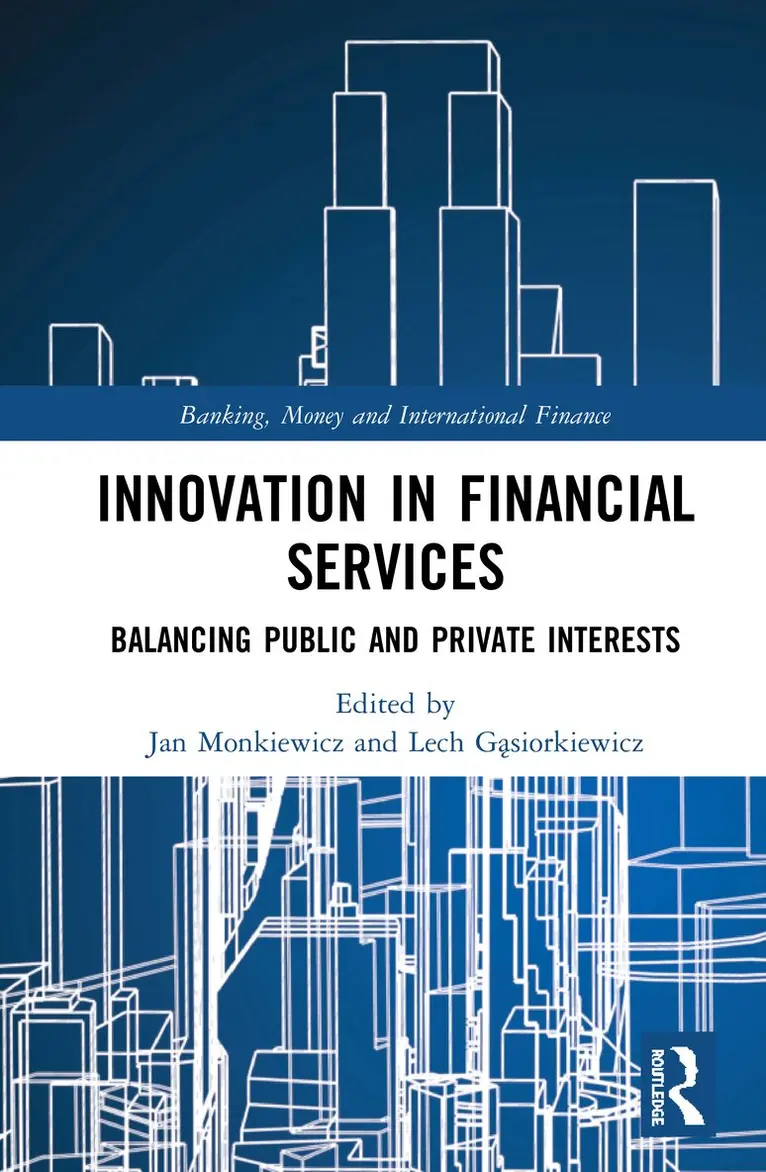
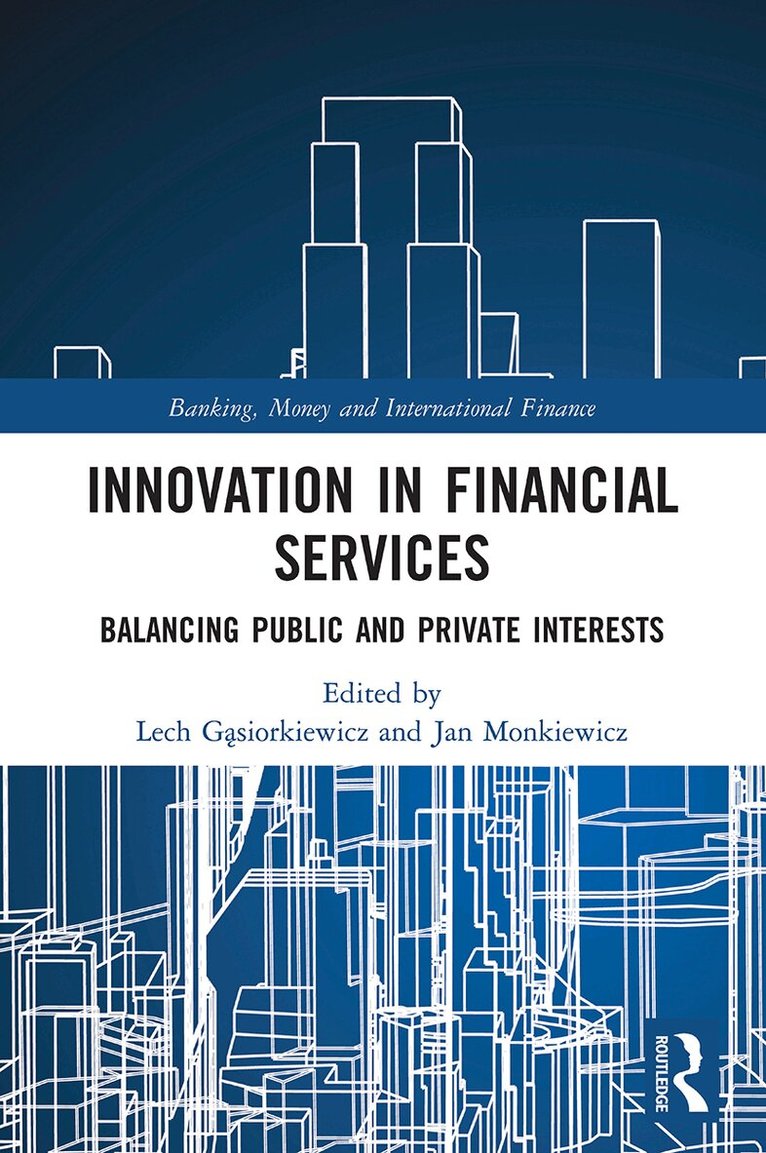
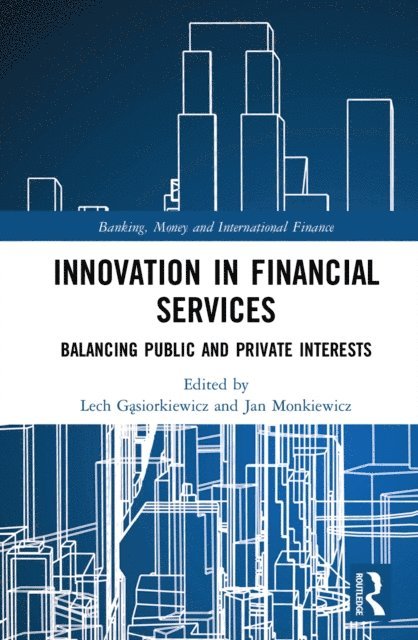
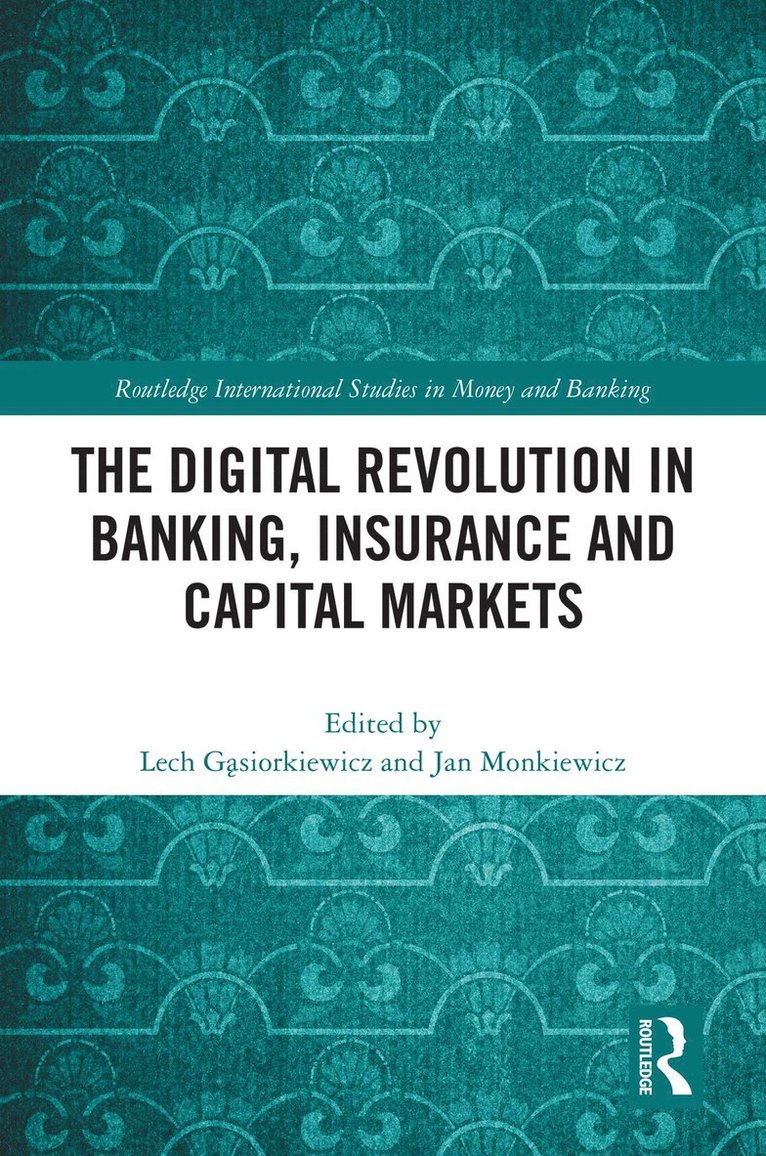
This book delves into the many innovative changes that the financial industry has undergone in recent years. The authors investigate these developments in a holistic manner and from a wide range of perspectives: both public and private, business and consumer, regulators and supervisors.
Initially, they set the framework of their analysis by discussing innovation cycles in financial services. Thereafter, they tackle the issue of financial innovations and their consequences for financial stability. They then review the new approaches to financial consumers’ protection, which emerged in the aftermath of the global financial crisis. The authors underline the fact that this new approach is heavily influenced by the recent innovative drive in the financial industry. Next, they switch their attention to the public sector, examining the innovative processes in monetary policy and central banks, structural innovations in the supervisory models and systems, and they assess some specific supervisory challenges regarding blockchain and the application of mathematics in the supervisory capacity. Additionally, the book examines a range of issues related to the private sector, such as recent developments regarding risk transferring mechanisms on the financial market, artificial intelligence and natural language processing for regulatory filings, the development of process management in insurance companies and other innovative products on the market. Finally, Innovation in Financial Services discusses how the digital transformation of the financial system impacts the interaction between the public and private sectors.
The book is intended for graduate and postgraduate level students, researchers, public sector officers, as well as financial sector practitioners.

744 kr
Läs direkt efter köp
This book delves into the many innovative changes that the financial industry has undergone in recent years. The authors investigate these developments in a holistic manner and from a wide range of perspectives: both public and private, business and consumer, regulators and supervisors.
Initially, they set the framework of their analysis by discussing innovation cycles in financial services. Thereafter, they tackle the issue of financial innovations and their consequences for financial stability. They then review the new approaches to financial consumers’ protection, which emerged in the aftermath of the global financial crisis. The authors underline the fact that this new approach is heavily influenced by the recent innovative drive in the financial industry. Next, they switch their attention to the public sector, examining the innovative processes in monetary policy and central banks, structural innovations in the supervisory models and systems, and they assess some specific supervisory challenges regarding blockchain and the application of mathematics in the supervisory capacity. Additionally, the book examines a range of issues related to the private sector, such as recent developments regarding risk transferring mechanisms on the financial market, artificial intelligence and natural language processing for regulatory filings, the development of process management in insurance companies and other innovative products on the market. Finally, Innovation in Financial Services discusses how the digital transformation of the financial system impacts the interaction between the public and private sectors.
The book is intended for graduate and postgraduate level students, researchers, public sector officers, as well as financial sector practitioners.

814 kr
Läs direkt efter köp
814 kr
Läs direkt efter köp
785 kr
Läs direkt efter köp
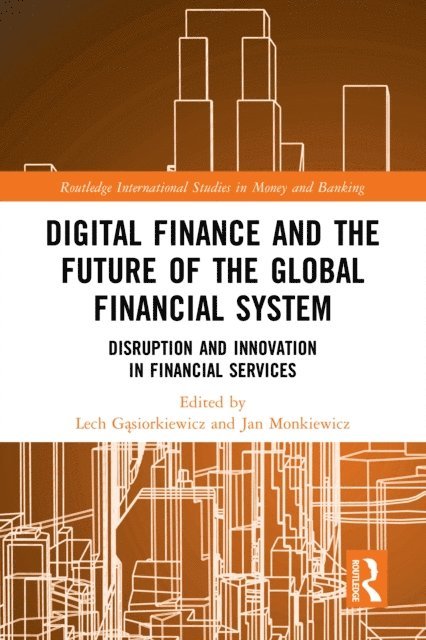
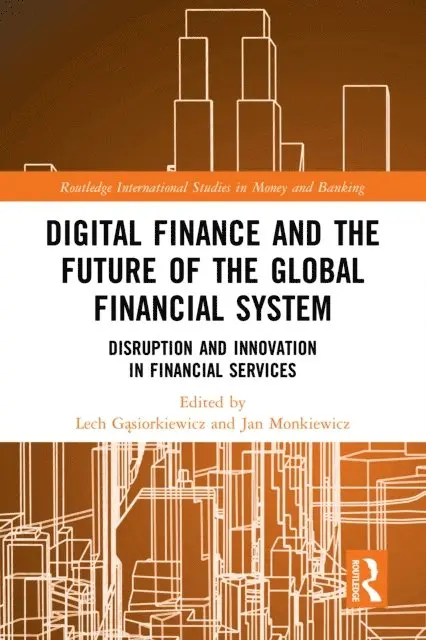
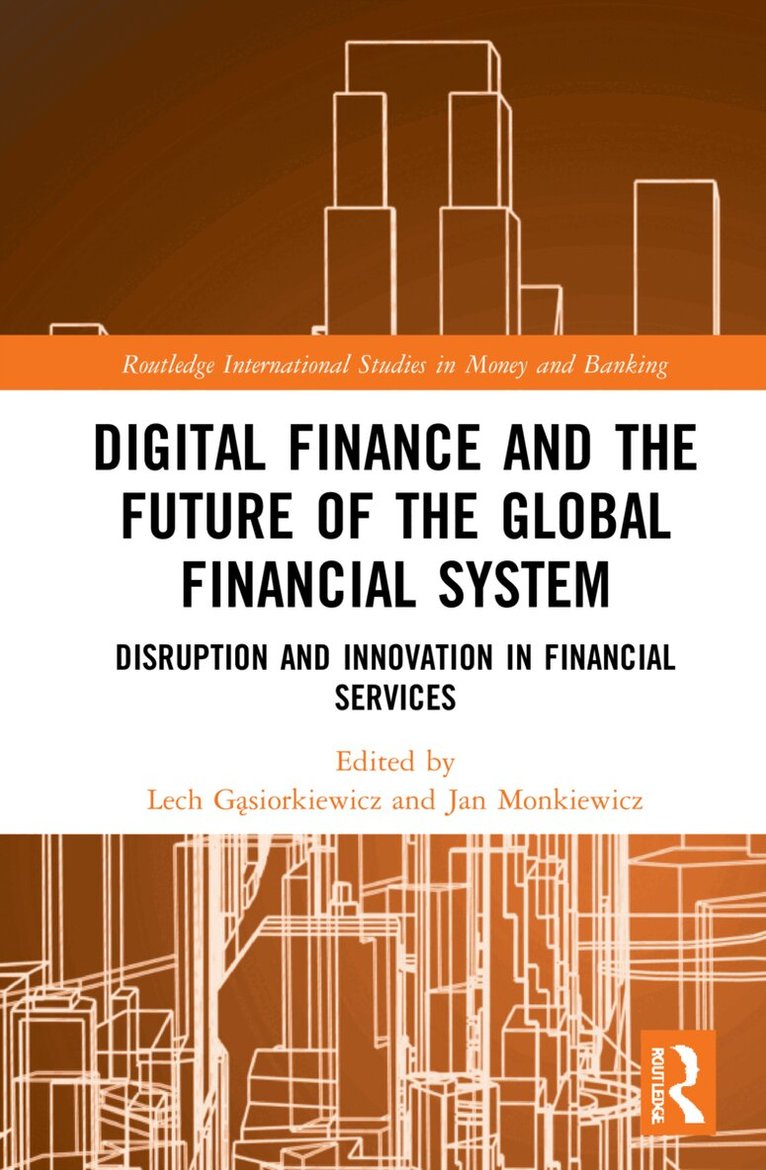
This book offers an in-depth analysis of the most salient features of contemporary financial systems and clarifies the major strategic issues facing the development of digital finance. It provides insight into how the digital finance system actually works in a socioeconomic context. It presents three key messages: that digital transformation will change the financial system entirely, that the State has a particularly important role to play in the whole process and that consumers will be offered more opportunities and freedom but simultaneously will be exposed to more risk and challenges.
The book is divided into four parts. It begins by laying down the fundamentals of the subsequent analysis and offers a deep understanding of digital finance, including a topology of the key technologies applied in the transformation process. The next part reviews the challenges facing the digital State in the new reality, the digitalization of public finance and the development of digitally relevant taxation systems. In the third part, digital consumer aspects are discussed. The final part examines the risks and challenges of digital finance. The authors focus their attention on three key developments in financial markets: accelerated growth in terms of the importance of algorithms, replacing existing legal regulations; the expansion of cyber risk and its growing impact and finally the emergence of new dimensions of systemic risk as a side effect of financial digitalization. The authors supplement the analysis with a discussion of how these new risks and challenges are monitored and mitigated by financial supervision.
The book is a useful, accessible guide to students and researchers of finance, finance and technology, regulations and compliance in finance.
760 kr
Läs direkt efter köp
This book offers an in-depth analysis of the most salient features of contemporary financial systems and clarifies the major strategic issues facing the development of digital finance. It provides insight into how the digital finance system actually works in a socioeconomic context. It presents three key messages: that digital transformation will change the financial system entirely, that the State has a particularly important role to play in the whole process and that consumers will be offered more opportunities and freedom but simultaneously will be exposed to more risk and challenges.
The book is divided into four parts. It begins by laying down the fundamentals of the subsequent analysis and offers a deep understanding of digital finance, including a topology of the key technologies applied in the transformation process. The next part reviews the challenges facing the digital State in the new reality, the digitalization of public finance and the development of digitally relevant taxation systems. In the third part, digital consumer aspects are discussed. The final part examines the risks and challenges of digital finance. The authors focus their attention on three key developments in financial markets: accelerated growth in terms of the importance of algorithms, replacing existing legal regulations; the expansion of cyber risk and its growing impact and finally the emergence of new dimensions of systemic risk as a side effect of financial digitalization. The authors supplement the analysis with a discussion of how these new risks and challenges are monitored and mitigated by financial supervision.
The book is a useful, accessible guide to students and researchers of finance, finance and technology, regulations and compliance in finance.
2 628 kr
Skickas inom 10-15 vardagar
678 kr
Skickas inom 10-15 vardagar
2 675 kr
Skickas inom 3-6 vardagar
846 kr
Skickas inom 7-10 vardagar