965 kr
Läs direkt efter köp
965 kr
Läs direkt efter köp
1 985 kr
Skickas inom 7-10 vardagar
2 497 kr
Skickas inom 10-15 vardagar
2 497 kr
Skickas inom 10-15 vardagar
569 kr
Skickas inom 7-10 vardagar
1 628 kr
Skickas inom 7-10 vardagar
1 062 kr
Skickas inom 3-6 vardagar
745 kr
Läs direkt efter köp
In Markets with Limits James Stacey Taylor argues that current debates over the moral limits of markets have derailed. He argues that they focus on a market-critical position that almost nobody holds: That certain goods and services can be freely given away but should never be bought or sold. And he argues that they focus on a type of argument for this position that there is reason to believe that nobody holds: That trade in certain goods or services is wrongful solely because of what it would communicate.
Taylor puts the debates over the moral limits of markets back on track. He develops a taxonomy of the positions that are actually held by critics of markets, and clarifies the role played in current moral and political philosophy by arguments that justify (or condemn) certain actions owing in part to what they communicate. Taylor argues that the debates have derailed because they were conducted in accord with market, rather than academic, norms—and that this demonstrates that market thinking should not govern academic research. Markets with Limits concludes with suggestions as to how to encourage academics to conduct research in accord with academic norms and hence improve its quality.
Key features
Provides original suggestions concerning how to improve the exegetical quality of academic research
Systematically identifies the primary exegetical errors—and the ways in which these errors have adversely influenced current debates—that Jason Brennan and Peter Jaworski made in their influential book, Markets Without Limits
Argues that despite the current, widespread view that semiotic objections to markets are widespread in the literature, they are in actuality rare to nonexistent
Offers an up-to-date taxonomy of the current arguments in the various debates over both the ontological and the moral limits of markets
Provides an extensive overview of mistaken claims that have been made and propagated in various academic literatures
757 kr
Läs direkt efter köp
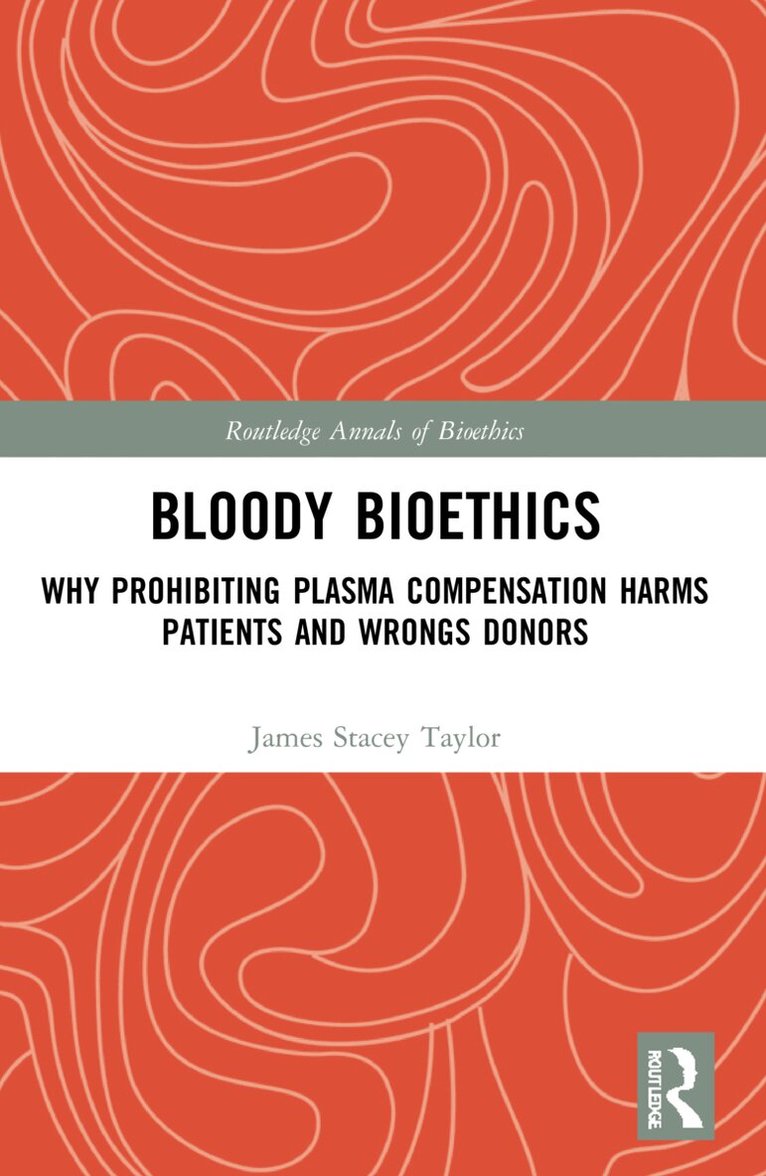
This is the first book to argue in favor of paying people for their blood plasma. It does not merely argue that offering compensation to plasma donors is morally permissible. It argues that prohibiting donor compensation is morally wrong—and that it is morally wrong for all of the reasons that are offered against allowing donor compensation.
Opponents of donor compensation claim that it will reduce the amount and quality of plasma obtained, exploit and coerce donors, and undermine social cohesion. James Stacey Taylor argues that empirical evidence demonstrates that compensating plasma donors greatly increases the amount of plasma obtained with no adverse effects on the quality of the pharmaceutical products that are manufactured from it. Prohibiting compensation thus harms patients by reducing their access to the medicines they need. He also argues that it is the prohibition of compensation—not its offer—that exploits donors, fails to respect the moral need to secure a person’s authoritative consent to her treatment, and prevents donors from giving their informed consent to donate. Prohibiting compensation thus not only harms patients but also wrongs donors.
Bloody Bioethics will appeal to researchers, advanced students, and medical professionals interested in bioethics, moral philosophy, and the moral limits of markets.
762 kr
Läs direkt efter köp
This is the first book to argue in favor of paying people for their blood plasma. It does not merely argue that offering compensation to plasma donors is morally permissible. It argues that prohibiting donor compensation is morally wrong—and that it is morally wrong for all of the reasons that are offered against allowing donor compensation.
Opponents of donor compensation claim that it will reduce the amount and quality of plasma obtained, exploit and coerce donors, and undermine social cohesion. James Stacey Taylor argues that empirical evidence demonstrates that compensating plasma donors greatly increases the amount of plasma obtained with no adverse effects on the quality of the pharmaceutical products that are manufactured from it. Prohibiting compensation thus harms patients by reducing their access to the medicines they need. He also argues that it is the prohibition of compensation—not its offer—that exploits donors, fails to respect the moral need to secure a person’s authoritative consent to her treatment, and prevents donors from giving their informed consent to donate. Prohibiting compensation thus not only harms patients but also wrongs donors.
Bloody Bioethics will appeal to researchers, advanced students, and medical professionals interested in bioethics, moral philosophy, and the moral limits of markets.
634 kr
Skickas inom 10-15 vardagar
2 515 kr
Skickas inom 10-15 vardagar
2 590 kr
Skickas inom 10-15 vardagar
645 kr
Skickas inom 10-15 vardagar
820 kr
Läs direkt efter köp
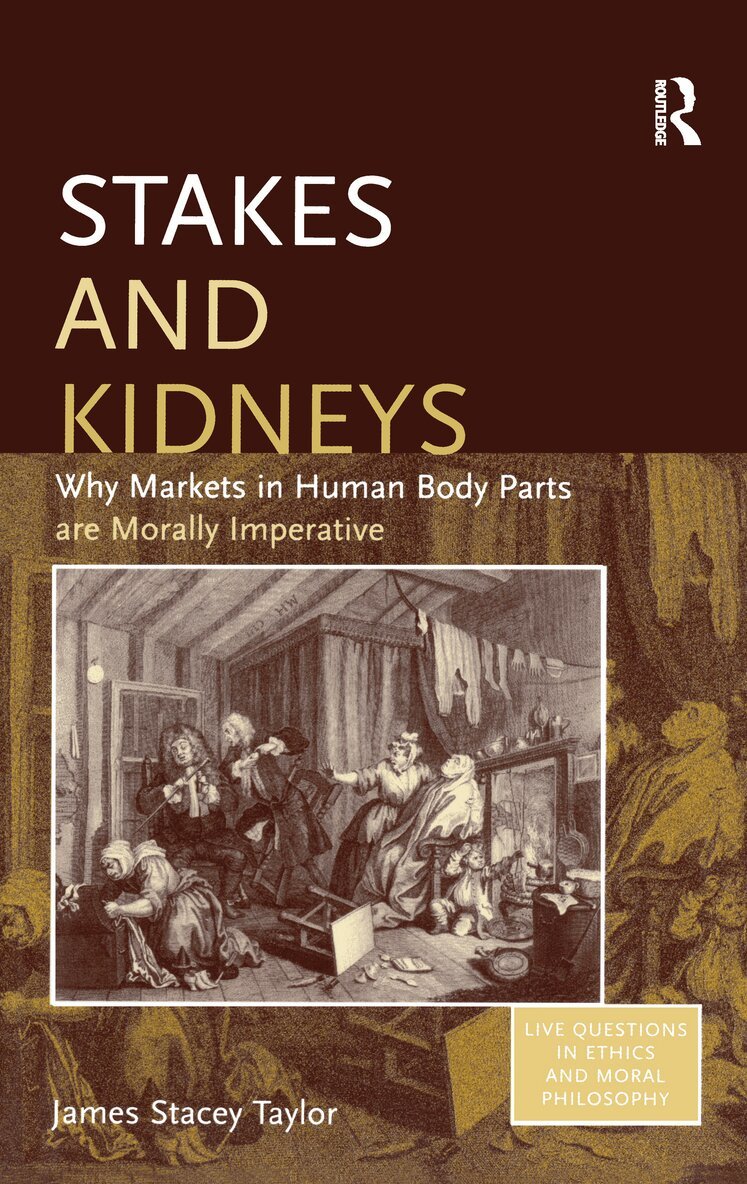
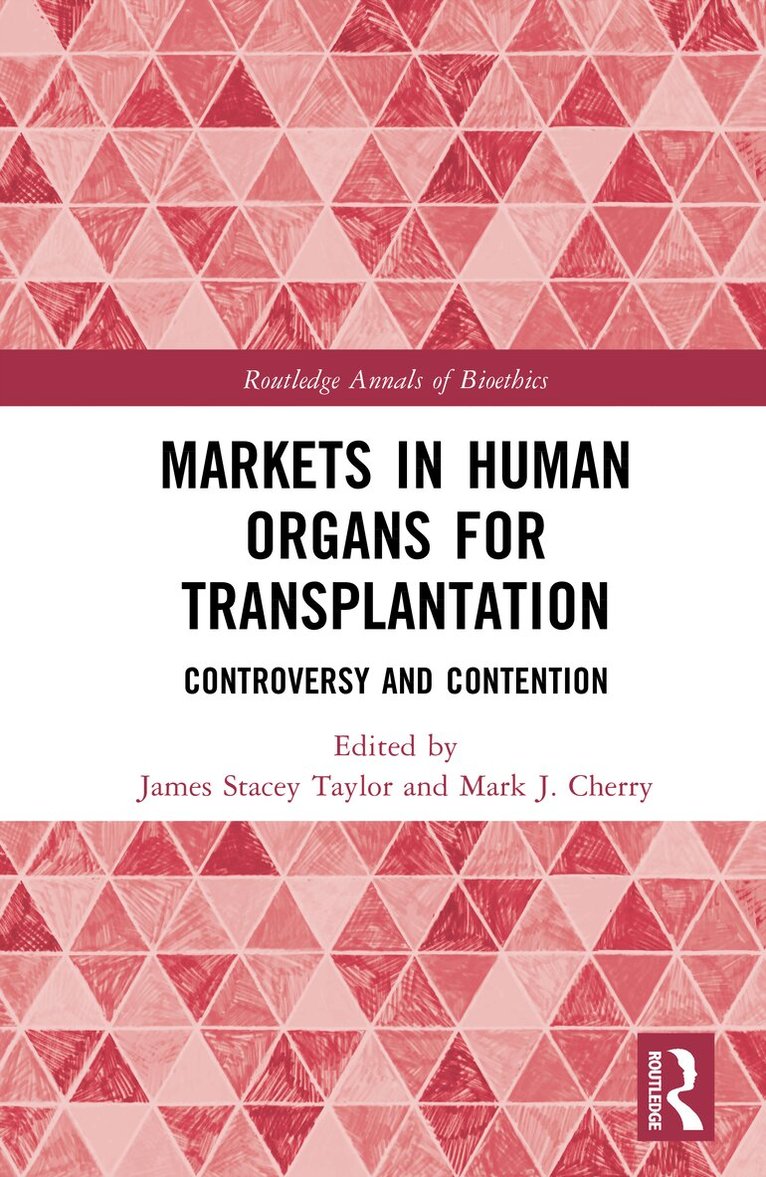
This volume presents a comprehensive examination of one of bioethics’ most divisive debates: whether human organs should be bought and sold. It brings together diverse philosophical perspectives from leading scholars who explore the moral, political, and practical dimensions of organ markets.
The volume addresses critical questions at the intersection of medicine, ethics, and economics:
Would financial incentives for organ donation save lives or exploit the vulnerable? Can organ markets be ethically regulated to prevent abuse? How do principles of distributive justice apply to organ allocation? Should bodily autonomy extend to selling one’s organs?Contributors include both proponents who argue that properly regulated markets would increase organ supply and reduce suffering, and opponents who contend that commodification of organs violates human dignity and risks exploitation. The collection examines utilitarian, libertarian, and communitarian approaches while considering real-world policy implications. It also offers nuanced analysis of paternalistic prohibitions, feasibility concerns, and alternative procurement systems. By presenting multiple viewpoints in dialogue, the volume provides readers with the intellectual tools to form their own informed positions on this controversial issue.
Markets in Human Organs for Transplantation is an ideal resource for researchers, students, and healthcare professionals interested in the ethical dimensions of transplant medicine.
2 515 kr
Skickas inom 10-15 vardagar
935 kr
Läs direkt efter köp
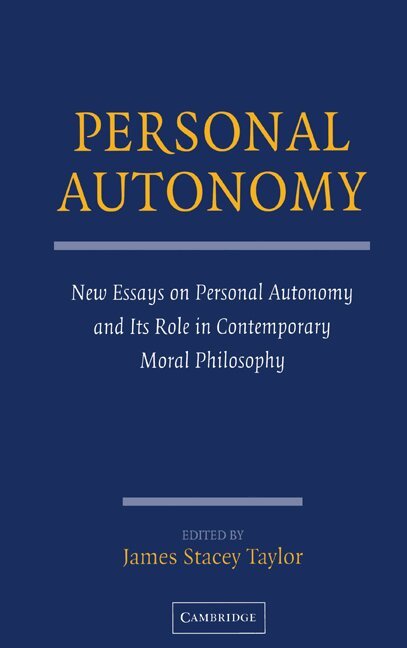
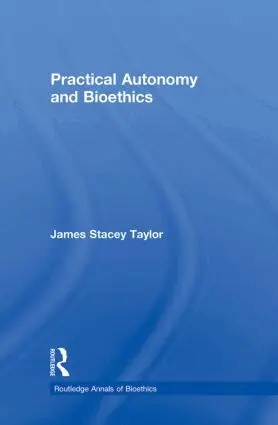
This is the first volume in which an account of personal autonomy is developed that both captures the contours of this concept as it is used in social philosophy and bioethics, and is theoretically grounded in, and a part of, contemporary autonomy theory. James Stacey Taylor’s account is unique as it is explicitly a political one, recognizing that the attribution of autonomy to agents is dependent in part on their relationships with others and not merely upon their own mental states. The volume is distinctive in its examples, which touch on the ethics of using inducements to encourage persons to participate in medical research, the ethical issues associated with the use of antibiotics, and the ethical basis for both patient confidentiality and informed consent.
915 kr
Läs direkt efter köp
This is the first volume in which an account of personal autonomy is developed that both captures the contours of this concept as it is used in social philosophy and bioethics, and is theoretically grounded in, and a part of, contemporary autonomy theory. James Stacey Taylor’s account is unique as it is explicitly a political one, recognizing that the attribution of autonomy to agents is dependent in part on their relationships with others and not merely upon their own mental states. The volume is distinctive in its examples, which touch on the ethics of using inducements to encourage persons to participate in medical research, the ethical issues associated with the use of antibiotics, and the ethical basis for both patient confidentiality and informed consent.
1 083 kr
Läs direkt efter köp
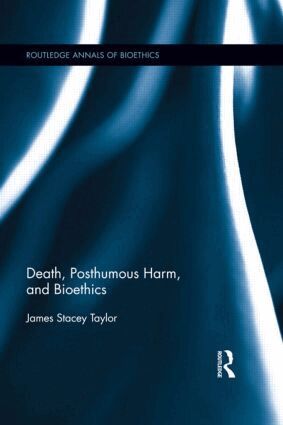
Death, Posthumous Harm, and Bioethics offers a highly distinctive and original approach to the metaphysics of death and applies this approach to contemporary debates in bioethics that address end-of-life and post-mortem issues. Taylor defends the controversial Epicurean view that death is not a harm to the person who dies and the neo-Epicurean thesis that persons cannot be affected by events that occur after their deaths, and hence that posthumous harms (and benefits) are impossible. He then extends this argument by asserting that the dead cannot be wronged, finally presenting a defence of revisionary views concerning posthumous organ procurement.
1 067 kr
Läs direkt efter köp
Death, Posthumous Harm, and Bioethics offers a highly distinctive and original approach to the metaphysics of death and applies this approach to contemporary debates in bioethics that address end-of-life and post-mortem issues. Taylor defends the controversial Epicurean view that death is not a harm to the person who dies and the neo-Epicurean thesis that persons cannot be affected by events that occur after their deaths, and hence that posthumous harms (and benefits) are impossible. He then extends this argument by asserting that the dead cannot be wronged, finally presenting a defence of revisionary views concerning posthumous organ procurement.
916 kr
Skickas inom 10-15 vardagar
838 kr
Läs direkt efter köp
838 kr
Läs direkt efter köp
778 kr
Tillfälligt slut