728 kr
Skickas inom 10-15 vardagar
728 kr
Skickas inom 10-15 vardagar
789 kr
Läs direkt efter köp
286 kr
Läs direkt efter köp
836 kr
Läs direkt efter köp
823 kr
Läs direkt efter köp
721 kr
Skickas inom 10-15 vardagar
2 062 kr
Skickas inom 10-15 vardagar
888 kr
Skickas inom 10-15 vardagar
2 407 kr
Läs direkt efter köp
477 kr
Skickas inom 10-15 vardagar
1 768 kr
Skickas inom 7-10 vardagar
485 kr
Skickas inom 7-10 vardagar
673 kr
Skickas inom 7-10 vardagar
1 899 kr
Skickas inom 10-15 vardagar
300 kr
Läs direkt efter köp
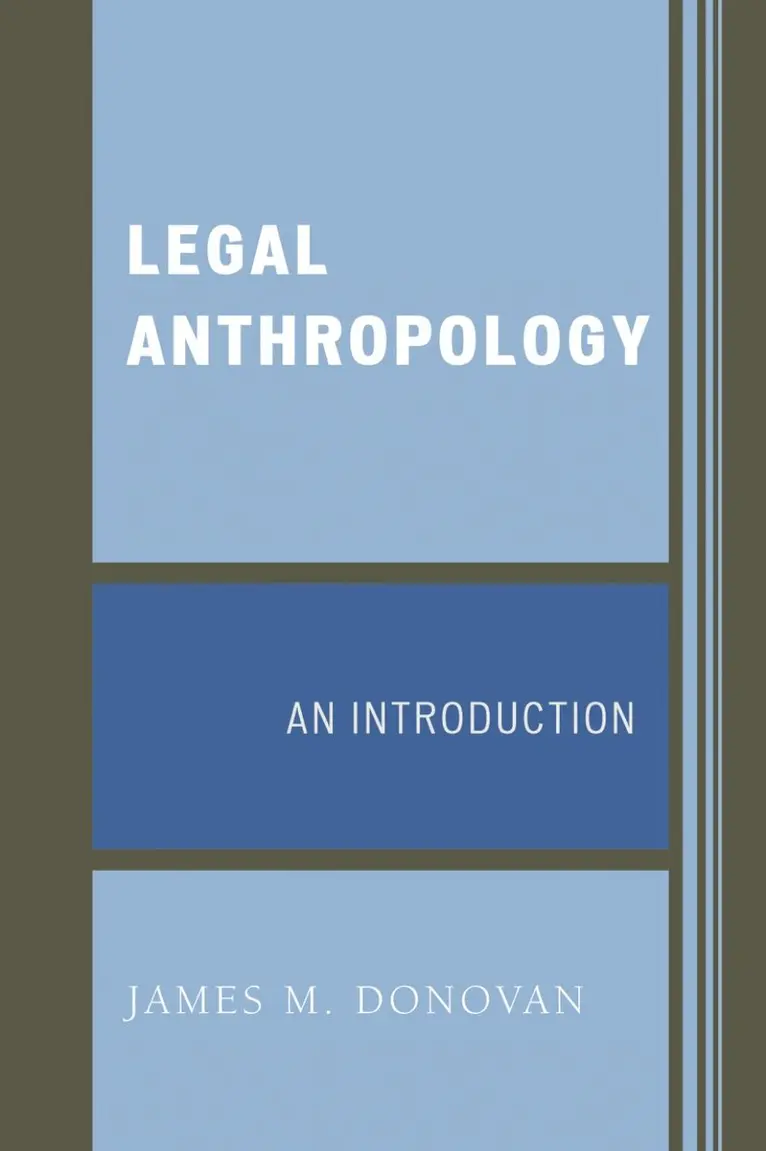
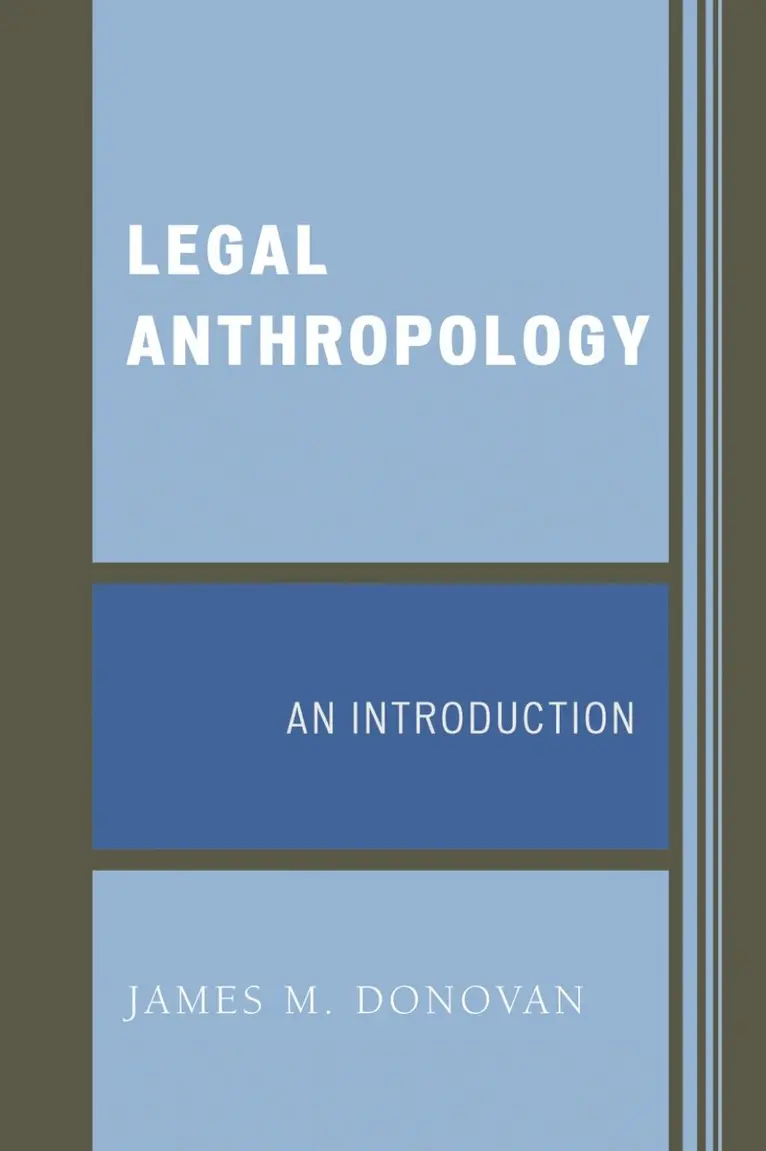
The relationship between Law and Anthropology can be considered as having been particularly intimate. In this book the authors defend their assertion that the two fields co-exist in a condition of "balanced reciprocity" wherein each makes important contributions to the successful practice and theory of the other. Anthropology, for example, offers a cross-culturally validated generic concept of "law," and clarifies other important legal concepts such as "religion" and "human rights." Law similarly illuminates key anthropological ideas such as the "social contract," and provides a uniquely valuable access point for the analysis of sociocultural systems. Legal practice renders a further important benefit to anthropology when it validates anthropological knowledge through the use of anthropologists as expert witnesses in the courtroom and the introduction of the "culture defense" against criminal charges.
Although the actual relationship between anthropology and law today falls short of this idealized state of balanced reciprocity, the authors include historical and other data suggesting that that level of intimate cooperation draws ever closer.
284 kr
Läs direkt efter köp
2 391 kr
Läs direkt efter köp
1 363 kr
Tillfälligt slut
440 kr
Tillfälligt slut
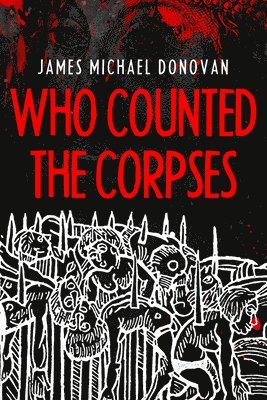
Vlad III Dracula: Monster or Hero?
Vlad III Dracula, famously known as Vlad the Impaler, was a 15th-century ruler of the Romanian principality of Wallachia and remains one of history's most controversial figures. In the West, he is often portrayed as a ruthless, mass-murdering psychopath. This perception was cemented by Bram Stoker, whose 19th-century novel Dracula drew inspiration from Vlads reputation to create the fictional vampire Count Dracula.
However, in Romania and parts of Eastern Europe, Vlad the Impaler is celebrated as a brilliant military strategist who bravely defended his land against the Ottoman Turks, earning him the status of a national hero among 19th-century Romanian nationalists. This stark contrast raises the question: was Vlad Dracula a madman, or a Machiavellian prince whose brutal acts were politically motivated?
This book delves into the origins of these opposing views and traces how they have been shaped and reshaped from the 15th century to the present day. By examining diverse accounts from Romanian, Turkish, German, Russian, British, French, and American sources, it reveals the political and propagandistic biases that have colored historical narratives. Additionally, it addresses whether Vlad truly served as an inspiration for Stoker's iconic vampire. Ultimately, it uncovers the complexities and uncertainties that shape our understanding of history.