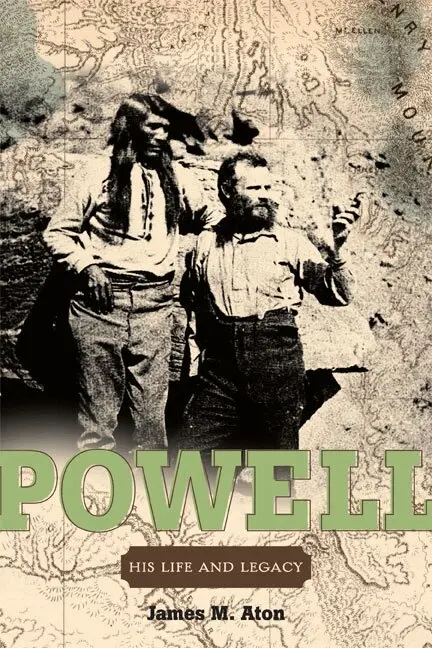
“John Wesley Powell: explorer, writer, geologist, anthropologist, land planner, bureaucrat. Which one do we focus on?” This is the question author James M. Aton poses at the beginning of his biography of Powell, though he soon decides that it is impossible to ignore any facet of Powell’s life. Powell was a polymath, one whose “divergent interests resemble one of those braided streambeds in his beloved canyon country, branching out in many directions, but ultimately beginning and ending in the same stream."Aton beautifully tells the multidimensional stories of Powell’s childhood, his military and teaching careers, his famous and exciting explorations of the Colorado River, and the battles he waged from his influential positions within the Smithsonian’s Bureau of Ethnology and the United States Geological Survey. This new edition of John Wesley Powell: His Life and Legacy, first printed as an issue of the Boise State University Western Writers Series, includes the original biography, but also features Aton’s new interpretations of Powell’s writings on exploration, land-planning, anthropology, and irrigation, and incorporates the author’s distinguished faculty lecture on Powell and cash-register dams in the Colorado River Basin.
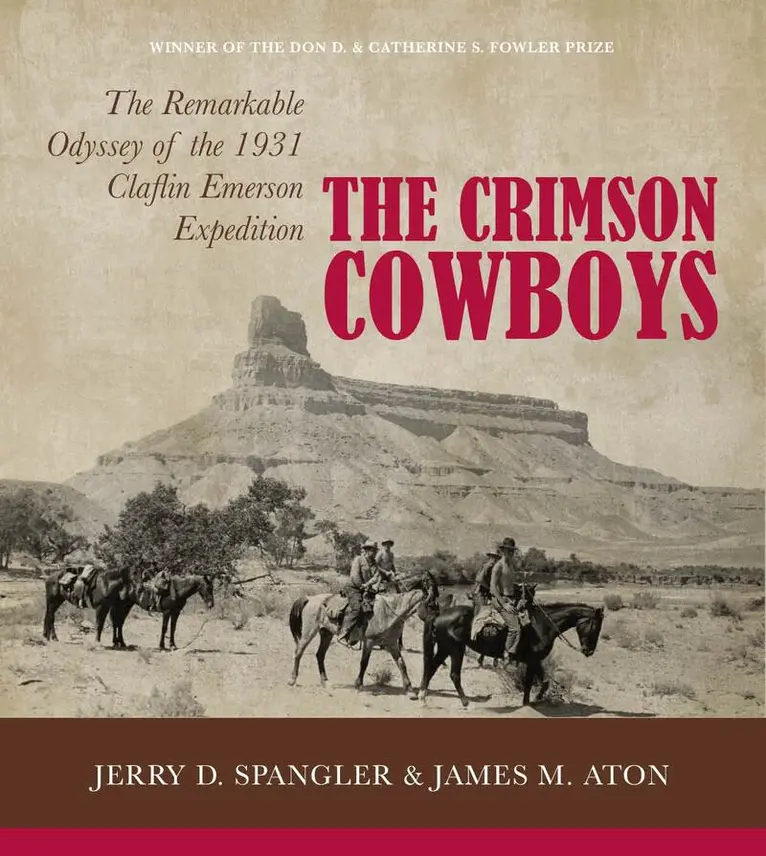
The first full account of the journey and discoveries of an archaeological expedition into the rugged American Southwest.In 1931 a group from Harvard University’s Peabody Museum accomplished something that had never been attempted in the history of American archaeology—a six-week, four-hundred-mile horseback survey of prehistoric sites through some of the West’s most rugged terrain. The expedition was successful, but a report on the findings was never completed. What should have been one of the great archaeological stories in American history was relegated to boxes and files in the basement of the Peabody Museum at Harvard. Now, based on over a thousand pages of documents and over four hundred photographs, this book recounts the remarkable day-to-day adventures of this crew of one professor, five students, and three Utah guides who braved heat, fatigue, and the dangerous canyon wilderness to reveal vestiges of the Fremont culture in the Tavaputs Plateau and Uinta Basin areas. To better tell this story, authors Spangler and Aton undertook extensive fieldwork to confirm the sites; their recent photographs and those of the original expedition are shared on these pages.