505 kr
Läs direkt efter köp
505 kr
Läs direkt efter köp
510 kr
Läs direkt efter köp
577 kr
Skickas inom 7-10 vardagar
2 836 kr
Skickas inom 7-10 vardagar
781 kr
Skickas inom 7-10 vardagar
1 345 kr
Skickas
331 kr
Skickas inom 7-10 vardagar
2 145 kr
Skickas inom 10-15 vardagar
373 kr
Skickas inom 10-15 vardagar
2 526 kr
Skickas inom 10-15 vardagar
637 kr
Skickas inom 10-15 vardagar
3 047 kr
Skickas inom 10-15 vardagar
933 kr
Skickas inom 10-15 vardagar
381 kr
Läs direkt efter köp
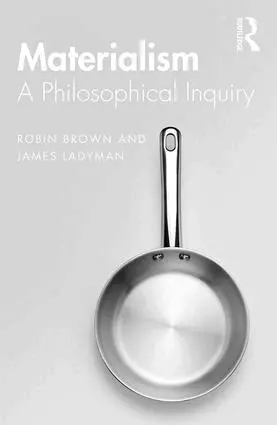
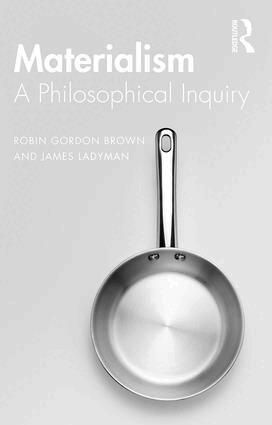
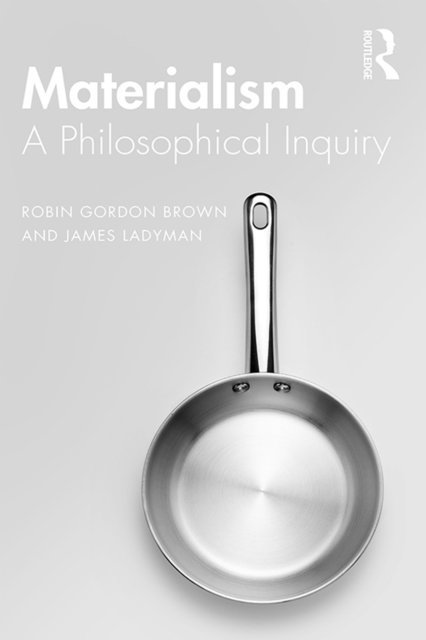
The doctrine of materialism is one of the most controversial in the history of ideas. For much of its history it has been aligned with toleration and enlightened thinking, but it has also aroused strong, often violent, passions amongst both its opponents and proponents. This book explores the development of materialism in an engaging and thought-provoking way and defends the form it takes in the twenty-first century.
Opening with an account of the ideas of some of the most important thinkers in the materialist tradition, including Epicurus, Lucretius, Hobbes, Hume, Darwin and Marx, the authors discuss materialism’s origins, as an early form of naturalistic explanation and as an intellectual outlook about life and the world in general. They explain how materialism’s beginnings as an imaginative vision of the true nature of things faced a major challenge from the physics it did so much to facilitate, which now portrays the microscopic world in a way incompatible with traditional materialism. Brown and Ladyman explain how out of this challenge materialism developed into the new doctrine of physicalism.
Drawing on a wide range of colourful examples, the authors argue that although materialism does not have all the answers, its humanism and commitment to naturalistic explanation and the scientific method is our best philosophical hope in the ideological maelstrom of the modern world.
745 kr
Läs direkt efter köp
745 kr
Läs direkt efter köp
1 108 kr
Läs direkt efter köp
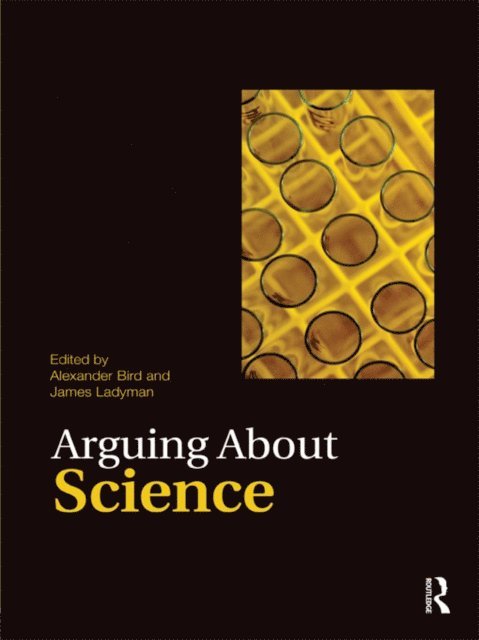
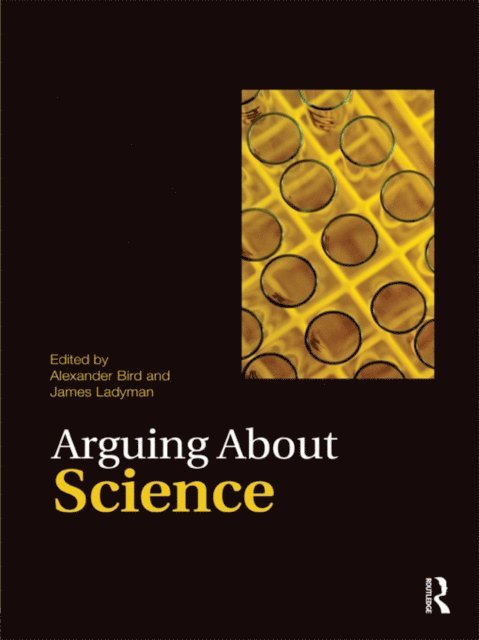
Arguing About Science is an outstanding, engaging introduction to the essential topics in philosophy of science, edited by two leading experts in the field. This exciting and innovative anthology contains a selection of classic and contemporary readings that examine a broad range of issues, from classic problems such as scientific reasoning; causation; and scientific realism, to more recent topics such as science and race; forensic science; and the scientific status of medicine.
The editors bring together some of the most influential contributions of famous philosophers in the field, including John Stuart Mill and Karl Popper, as well as more recent extracts from philosophers and scientists such as Ian Hacking, Stephen Jay Gould, Bas van Fraassen, Nancy Cartwright, and John Worrall. The anthology is organised into nine clear sections:
science, non science and pseudo-science race, gender and science scientific reasoning scientific explanation laws and causation science and medicine probability and forensic science risk, uncertainty and science policy scientific realism and anti-realism.The articles chosen are clear, interesting, and free from unnecessary jargon. The editors provide lucid introductions to each section in which they provide an overview of the debate, as well as suggestions for further reading.
1 084 kr
Läs direkt efter köp
Arguing About Science is an outstanding, engaging introduction to the essential topics in philosophy of science, edited by two leading experts in the field. This exciting and innovative anthology contains a selection of classic and contemporary readings that examine a broad range of issues, from classic problems such as scientific reasoning; causation; and scientific realism, to more recent topics such as science and race; forensic science; and the scientific status of medicine.
The editors bring together some of the most influential contributions of famous philosophers in the field, including John Stuart Mill and Karl Popper, as well as more recent extracts from philosophers and scientists such as Ian Hacking, Stephen Jay Gould, Bas van Fraassen, Nancy Cartwright, and John Worrall. The anthology is organised into nine clear sections:
science, non science and pseudo-science race, gender and science scientific reasoning scientific explanation laws and causation science and medicine probability and forensic science risk, uncertainty and science policy scientific realism and anti-realism.The articles chosen are clear, interesting, and free from unnecessary jargon. The editors provide lucid introductions to each section in which they provide an overview of the debate, as well as suggestions for further reading.
1 393 kr
Tillfälligt slut