The silence and reluctance of author James A. Lynchs youth has been left behind; he has become a storyteller in the true form of grandfathers everywhere. In A Boy Named Jim, he provides a look into slices of his life.This memoir presents the true story of Lynchs journey from the innocence of childhood in a small midwestern town; through the rollicking good times of the teenage years, college, and navy life; through thirty years of the dark depths of chronic alcoholism; and finally through the process of recovery and sobriety. A Boy Named Jim tells of Lynchs heartbreaks and failures, as well as the miracles and faith that brought him back to reality to live the life of a spiritually peaceful and gracious old man.That morning I finally realized what I had become, what I was, and what I probably would always be: a hopeless, helpless drunk. I didnt amount to anything, never had, and never would. I feared I would probably die in a drunken stupor somewhere, or I would be permanently institutionalized. I didnt realize until sometime later, lying cut and bruised in a strange basement, I had been granted two important things: a moment of clarity and the gift of desperation.
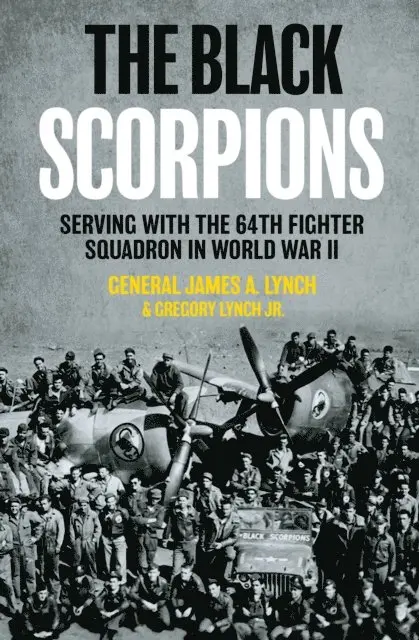
A U.S. Army Air Corps general recounts his service in the Mediterranean during World War II."This book richly details life in a fighter squadron. Readers will learn new details and gain a better understanding of the daily experience outside of the intense combat environment. It is well worth reading this contribution to World War II oral history." —The Journal of America''s Military PastOn December six, 1941, despite his objections, James Lynch was discharged from the Army for being over age in grade. After the terrible events at Pearl Harbor, James Lynch was recalled to duty. Within a month he was part of the Air Corps, involved in a secret project to send air support to help General Montgomery and the Eighth Army. He joined the nucleus of officers in charge of the 64th Fighter Squadron, 57th Fighter Group. For the next thirty-three months, he fought across the top of Africa and then up through Italy. The 57th Fighter Group arrived in Egypt just in time for the battle at El Alamein. How the United States was able to get the pink-winged P-40s to the battlefield baffled the Germans for many years. The Black Scorpions chased the Afrika Corps across the top of Africa, culminating in the Palm Sunday massacre where the Squadron helped shoot down seventy-four planes in a single engagement. For the Italian campaign, the Black Scorpions switched from P-40s to P-47s, changing from fighters to bombers and disrupting the German and Italian lines up the Italian Peninsula.Through all the battles, including a battle with an erupting Mount Vesuvius, James Lynch kept an unauthorized diary. He also collected daily intelligence reports, newspaper stories, souvenirs, pictures, and letters from home. After the war he reminisced with fellow soldiers about their experiences, and eventually felt it was time to write the story of the Black Scorpions—this book is the result."One of the most captivating WWII aviation memoirs thus far published." —ARGunners.com