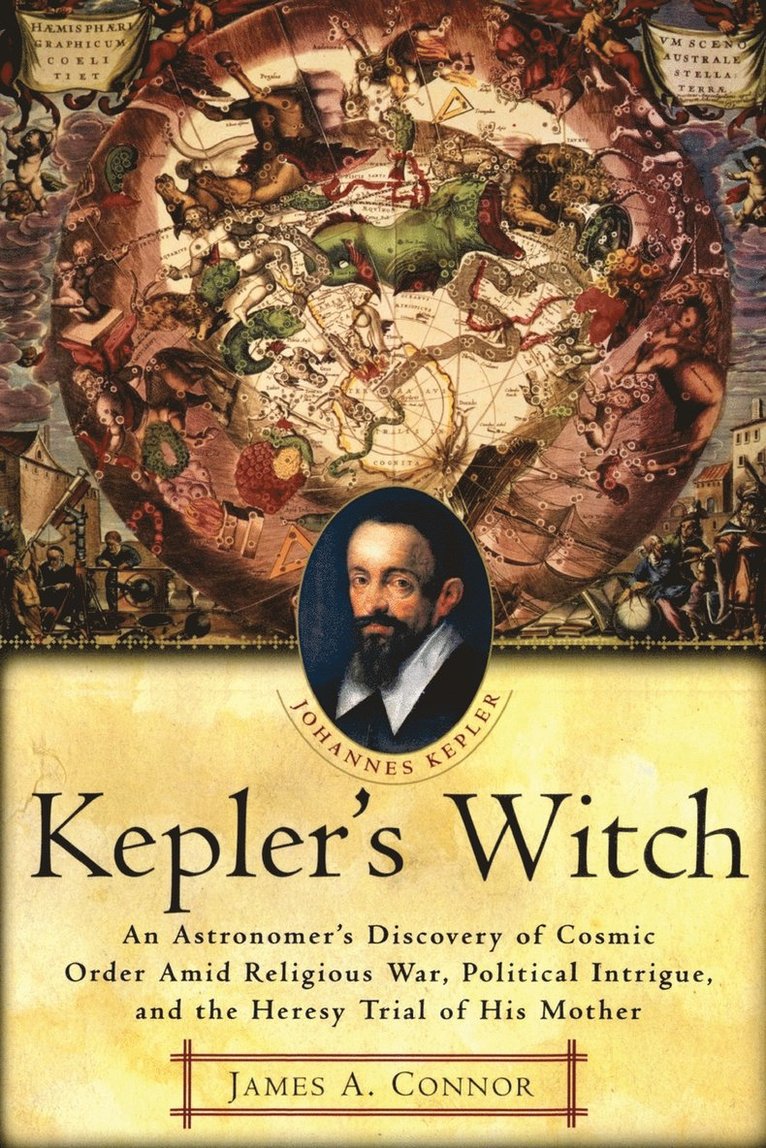
This biography of "the Protestant Galileo" and 16th century mathematician and astronomer reveals the spiritual nature of the quest of early modern science.In the style of Dava Sobel''s Galileo''s Daughter, James A. Connor''s Kepler''s Witch brings to life the tidal forces of Reformation, Counter-Reformation, and social upheaval. Johannes Kepler, who discovered the three basic laws of planetary motion, was persecuted for his support of the Copernican system. After a neighbor accused his mother of witchcraft, Kepler quit his post as the Imperial mathematician to defend her.Connor tells Kepler''s story as a pilgrimage, a spiritual journey into the modern world through war and disease and terrible injustice, a journey reflected in the evolution of Kepler''s geometrical model of the cosmos into a musical model, harmony into greater harmony. The leitmotif of the witch trial adds a third dimension to Kepler''s biography by setting his personal life within his own times. The acts of this trial, including Kepler''s letters and the accounts of the witnesses, previously published in their original German dialects, have been translated into English for the first time.With a great respect for the history of these times and the life of this man, Connor''s accessible story illuminates the life of Kepler, the man of science, but also Kepler, a man of uncommon faith and vision."Connor''s skillful narrative brings to life a fascinating time of changing cosmologies and an extraordinary man who wanted to know the mind of God." —Pulitzer Prize–winning author Kenneth Silverman
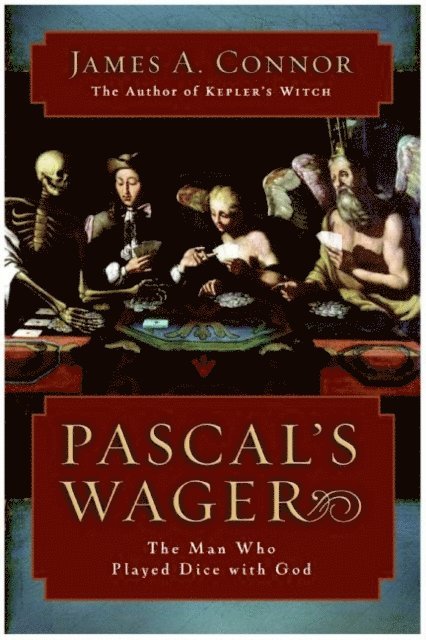
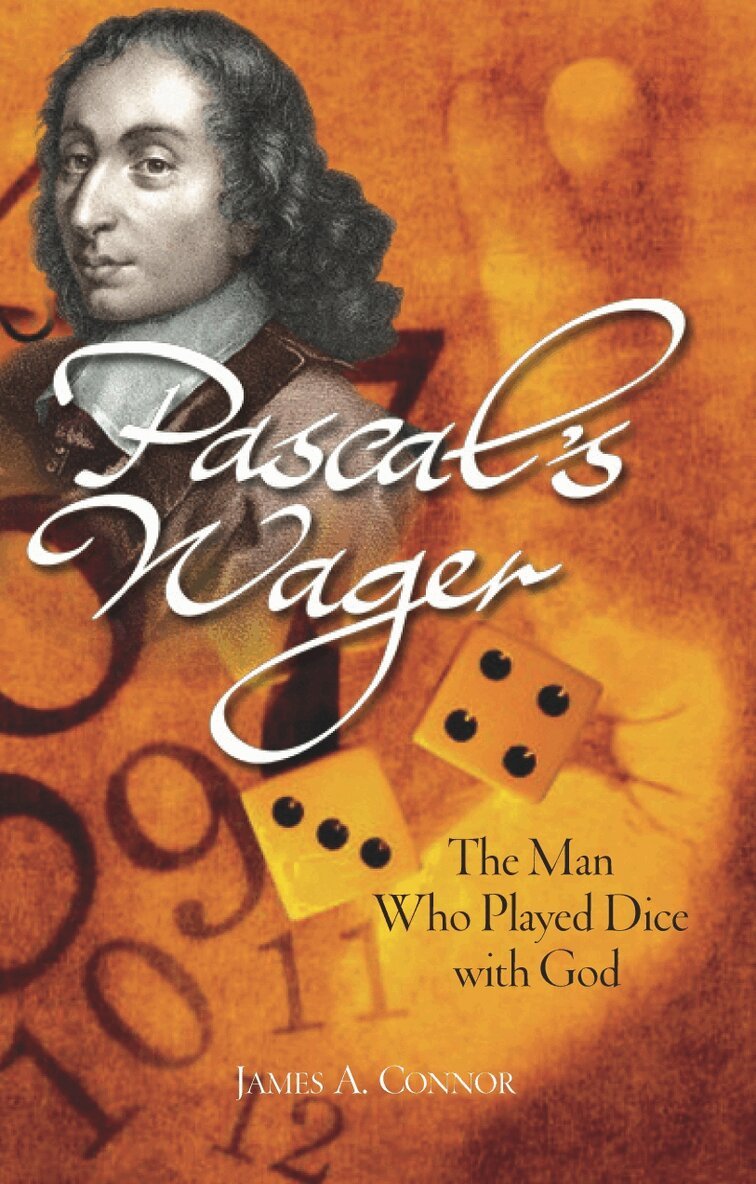
In a major biography of Blaise Pascal, James Connor explores both the intellectual giant whose theory of probability paved the way for modernity and the devout religious mystic who dared apply probability to faith.
A child prodigy, Pascal made essential additions to Descartes' work at the age of 16. By the age of 19, he had invented the world's first mechanical calculator. But despite his immense contributions to modern science, it is Pascal's wager with God that set him apart as a man fully engaged with both religious and scientific pursuits. One night in 1654, Pascal had a visit from God, an experience that would change his life. Struggling to explain God's existence to others, he dared apply his mathematical work to religious faith. He argued for the existence of God basing his position on outcomes - his famous wager. By applying to the existence of God the same rules that governed the existence and position of the universe, Pascal sounded the death knell for medieval 'certainties', paving the way for modern thinking.