2 534 kr
Skickas inom 10-15 vardagar
2 534 kr
Skickas inom 10-15 vardagar
1 022 kr
Läs direkt efter köp
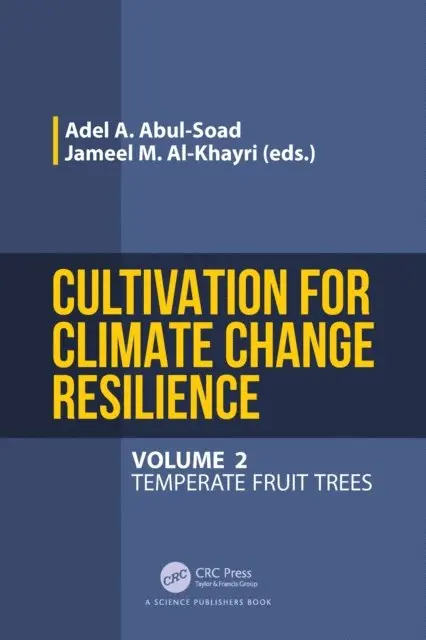
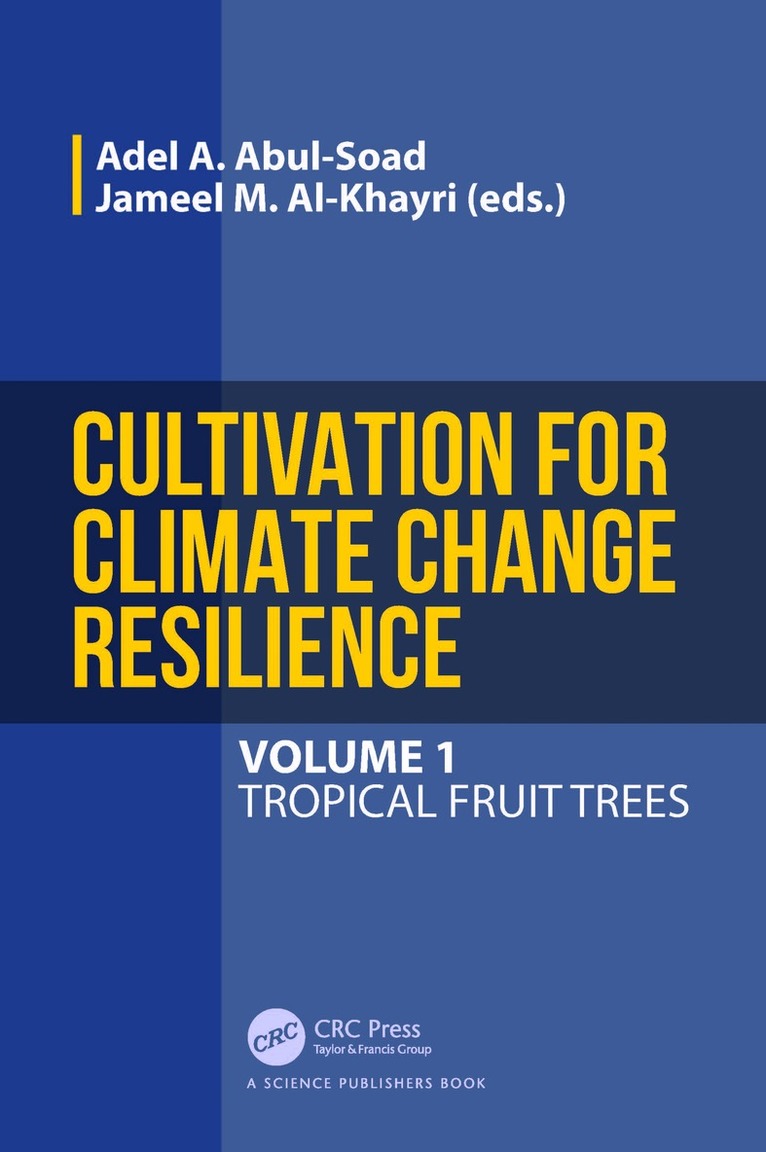
This book focuses on various tropical fruit tree species management for climate change including mitigation strategies and technological countermeasures taken by researchers, progressive growers and commercial companies to overcome the adverse changes. It can be considered as a unique source emphasizing the fruit species solitary not by subject as usual to enable readers reaching directly to their crop of interest. The content includes genetic resources conservation, remote sensing and environmental certification. Increasing attention of the society toward information and measures taken by various stakeholders about climate change risks and threats makes this book very timely.
Key points covered:
Provides a contemporary view of the impact of climate change on cultivation of individual fruit species Offers modern approaches for mitigating the adverse impact of climate change on fruits cultivation Describes research progress of understanding and combating the impact of climate change on fruits production Illustrates presented concepts with relevant figures and tabulated data1 022 kr
Läs direkt efter köp
This book focuses on various tropical fruit tree species management for climate change including mitigation strategies and technological countermeasures taken by researchers, progressive growers and commercial companies to overcome the adverse changes. It can be considered as a unique source emphasizing the fruit species solitary not by subject as usual to enable readers reaching directly to their crop of interest. The content includes genetic resources conservation, remote sensing and environmental certification. Increasing attention of the society toward information and measures taken by various stakeholders about climate change risks and threats makes this book very timely.
Key points covered:
Provides a contemporary view of the impact of climate change on cultivation of individual fruit species Offers modern approaches for mitigating the adverse impact of climate change on fruits cultivation Describes research progress of understanding and combating the impact of climate change on fruits production Illustrates presented concepts with relevant figures and tabulated data2 687 kr
Kommande
2 320 kr
Läs direkt efter köp
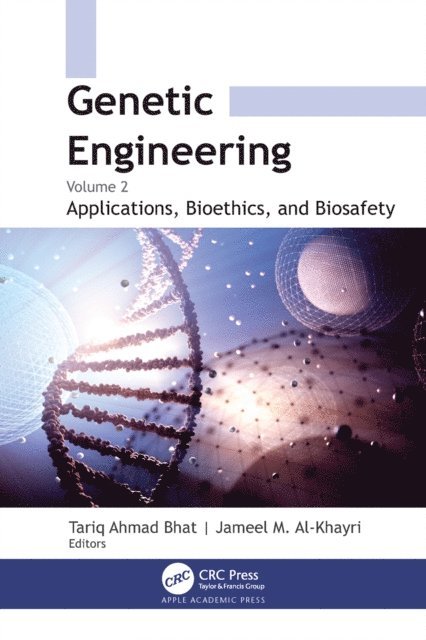
This new 2-volume set explores new research and perspectives in genetic engineering, which enables the precise control of the genetic composition and gene expression of organism. This powerful technology can be used for environmental sustainability, food and nutritional security, medicinal advancement, and more. Genetic Engineering aims to provide a deep understanding of the many aspects of this emerging technology and its diverse applications.
Genetic Engineering, Volume 1: Principles, Mechanism, and Expression covers genetic engineering concepts, molecular tools, and technologies utilized in the manipulation, amplification, and introgression of DNA. The volume explains the concepts of genetic engineering, enzymes of genetic engineering, and tools used in genetic engineering. It provides an introduction of recombinant DNA into host cells and discusses the linking of desired gene with DNA vector/gene cloning vector, polymerase chain reactions, the concept and nature of genes, blotting techniques, chromosome jumping, electrophoresis, genetically engineered microorganisms, and molecular markers and their applications.
Genetic Engineering, Volume 2: Applications, Bioethics, and Biosafety expresses the various appreciation and challenges of genetic engineering and issues related to bioethics and biosafety. Chapters cover the legal issues of genetic engineering, including intellectual property rights (IPR) and protection (IPP) and the patenting of living organisms, copyrights, trade secrets, and trademarks. The volume considers the safety and benefits of genetic engineering in human welfare, such as in genetically engineered Bt and Bt cotton, along with the biohazards of recombinant DNA technology. Chapters explain genetically modified organisms and microorganisms, genetic engineering of horticultural crops, genetic engineering in the agricultural sciences, and more.
This 2-volume book will be a valuable asset to upper-level students in cell biology as well as to faculty and researchers involved in genetics, molecular genetics, biochemistry, biotechnology, botany, zoology and agriculture sciences.
2 336 kr
Läs direkt efter köp
This new 2-volume set explores new research and perspectives in genetic engineering, which enables the precise control of the genetic composition and gene expression of organism. This powerful technology can be used for environmental sustainability, food and nutritional security, medicinal advancement, and more. Genetic Engineering aims to provide a deep understanding of the many aspects of this emerging technology and its diverse applications.
Genetic Engineering, Volume 1: Principles, Mechanism, and Expression covers genetic engineering concepts, molecular tools, and technologies utilized in the manipulation, amplification, and introgression of DNA. The volume explains the concepts of genetic engineering, enzymes of genetic engineering, and tools used in genetic engineering. It provides an introduction of recombinant DNA into host cells and discusses the linking of desired gene with DNA vector/gene cloning vector, polymerase chain reactions, the concept and nature of genes, blotting techniques, chromosome jumping, electrophoresis, genetically engineered microorganisms, and molecular markers and their applications.
Genetic Engineering, Volume 2: Applications, Bioethics, and Biosafety expresses the various appreciation and challenges of genetic engineering and issues related to bioethics and biosafety. Chapters cover the legal issues of genetic engineering, including intellectual property rights (IPR) and protection (IPP) and the patenting of living organisms, copyrights, trade secrets, and trademarks. The volume considers the safety and benefits of genetic engineering in human welfare, such as in genetically engineered Bt and Bt cotton, along with the biohazards of recombinant DNA technology. Chapters explain genetically modified organisms and microorganisms, genetic engineering of horticultural crops, genetic engineering in the agricultural sciences, and more.
This 2-volume book will be a valuable asset to upper-level students in cell biology as well as to faculty and researchers involved in genetics, molecular genetics, biochemistry, biotechnology, botany, zoology and agriculture sciences.
2 286 kr
Läs direkt efter köp
This new 2-volume set explores new research and perspectives in genetic engineering, which enables the precise control of the genetic composition and gene expression of organism. This powerful technology can be used for environmental sustainability, food and nutritional security, medicinal advancement, and more. Genetic Engineering aims to provide a deep understanding of the many aspects of this emerging technology and its diverse applications.
Genetic Engineering, Volume 1: Principles, Mechanism, and Expression covers genetic engineering concepts, molecular tools, and technologies utilized in the manipulation, amplification, and introgression of DNA. The volume explains the concepts of genetic engineering, enzymes of genetic engineering, and tools used in genetic engineering. It provides an introduction of recombinant DNA into host cells and discusses the linking of desired gene with DNA vector/gene cloning vector, polymerase chain reactions, the concept and nature of genes, blotting techniques, chromosome jumping, electrophoresis, genetically engineered microorganisms, and molecular markers and their applications.
Genetic Engineering, Volume 2: Applications, Bioethics, and Biosafety expresses the various appreciation and challenges of genetic engineering and issues related to bioethics and biosafety. Chapters cover the legal issues of genetic engineering, including intellectual property rights (IPR) and protection (IPP) and the patenting of living organisms, copyrights, trade secrets, and trademarks. The volume considers the safety and benefits of genetic engineering in human welfare, such as in genetically engineered Bt and Bt cotton, along with the biohazards of recombinant DNA technology. Chapters explain genetically modified organisms and microorganisms, genetic engineering of horticultural crops, genetic engineering in the agricultural sciences, and more.
This 2-volume book will be a valuable asset to upper-level students in cell biology as well as to faculty and researchers involved in genetics, molecular genetics, biochemistry, biotechnology, botany, zoology and agriculture sciences.
881 kr
Läs direkt efter köp
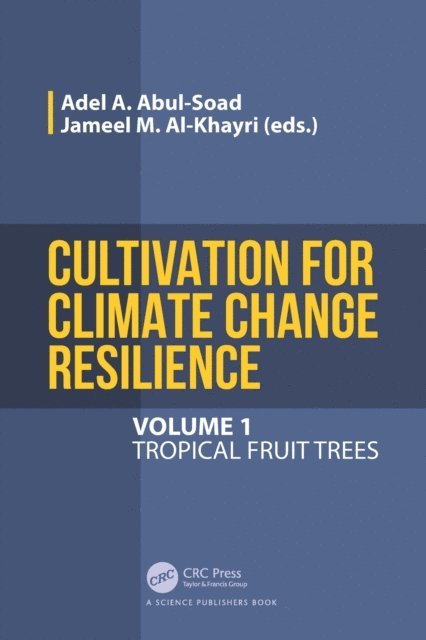
This book focuses on various tropical fruit tree species management for climate change including mitigation strategies and technological countermeasures taken by researchers, progressive growers and commercial companies to overcome the adverse changes. It can be considered as a unique source emphasizing the fruit species solitary not by subject as usual to enable readers reaching directly to their crop of interest. The content includes genetic resources conservation, remote sensing and environmental certification. Increasing attention of society toward information and measures taken by various stakeholders about climate change risks and threats makes this book very timely.
Key points
• Provides a contemporary view of the impact of climate change on cultivation of individual fruit species.
• Offers modern approaches for mitigating the adverse impact of climate change on fruits cultivation.
• Describes research progress of understanding and combating the impact of climate change on fruits production.
• Illustrates presented concepts with relevant figures and tabulated data.
894 kr
Läs direkt efter köp
This book focuses on various tropical fruit tree species management for climate change including mitigation strategies and technological countermeasures taken by researchers, progressive growers and commercial companies to overcome the adverse changes. It can be considered as a unique source emphasizing the fruit species solitary not by subject as usual to enable readers reaching directly to their crop of interest. The content includes genetic resources conservation, remote sensing and environmental certification. Increasing attention of society toward information and measures taken by various stakeholders about climate change risks and threats makes this book very timely.
Key points
• Provides a contemporary view of the impact of climate change on cultivation of individual fruit species.
• Offers modern approaches for mitigating the adverse impact of climate change on fruits cultivation.
• Describes research progress of understanding and combating the impact of climate change on fruits production.
• Illustrates presented concepts with relevant figures and tabulated data.
977 kr
Skickas inom 10-15 vardagar
2 152 kr
Skickas inom 10-15 vardagar
771 kr
Skickas inom 10-15 vardagar
2 858 kr
Läs direkt efter köp
This new comprehensive two-volume set, Molecular Genetics, Structures, Mechanisms, and Functions, covers all the classical and advanced aspects of molecular genetics and gene manipulation, putting this information in one place for beginners, experts, and those venturing into the fascinating science of molecular biology.
Volume 1: Principles of Gene Manipulation and Genomics provides an overview of the future of genetic engineering and delves into the role of biotechnology and its applications in genetic engineering. It discusses the tools of recombinant technology, which have brought about revolution in our understanding of various complex biological phenomena. Chapters cover mutagenesis, construction, and sequencing of DNA libraries along with applications of genetic engineering for improving health, preventing genetic diseases, enhancing food resources, managing environmental bioremediation, and more. Topics include genetic engineering tools for restriction enzymes and vectors, gene and cell division, mutation detection and screening in plants, population genetics, sexuality in bacteria, and more. Several chapters focus on the tools of recombinant technology, such as restriction enzymes, vectors, etc., that have paved the way for creating organisms of choice and opened new horizons in the field of medicine, agriculture, and industry for human welfare.
Volume 2: Applications and Exploring the Nucleus continues the coverage of generic engineering, dealing with the concept of genes, their relationship with chromosomes, and their functional manifestation to the benefit of organisms at large and for humans in particular. Topics include Mendel’s Laws of Inheritance, which explains the inheritance of traits visible through generations; genome diversity and evolution genetic protein synthesis, recombination and evolution of DNA, transposable elements in genetics, chromosomal aberrations, and more. The volume also addresses genetic engineering in agricultural science for increased crop yields, to reduce costs for food or drug production, to reduce the need for pesticides, to enhance crop quality, etc.
Providing a wealth of knowledge, Molecular Genetics, Structures, Mechanisms, and Functions will be a valuable asset for researchers and scientists working in the field of genetics, molecular genetics, mutation breeding and plant breeding, as well as for faculty and students.

2 858 kr
Läs direkt efter köp
This new comprehensive two-volume set, Molecular Genetics, Structures, Mechanisms, and Functions, covers all the classical and advanced aspects of molecular genetics and gene manipulation, putting this information in one place for beginners, experts, and those venturing into the fascinating science of molecular biology.
Volume 1: Principles of Gene Manipulation and Genomics provides an overview of the future of genetic engineering and delves into the role of biotechnology and its applications in genetic engineering. It discusses the tools of recombinant technology, which have brought about revolution in our understanding of various complex biological phenomena. Chapters cover mutagenesis, construction, and sequencing of DNA libraries along with applications of genetic engineering for improving health, preventing genetic diseases, enhancing food resources, managing environmental bioremediation, and more. Topics include genetic engineering tools for restriction enzymes and vectors, gene and cell division, mutation detection and screening in plants, population genetics, sexuality in bacteria, and more. Several chapters focus on the tools of recombinant technology, such as restriction enzymes, vectors, etc., that have paved the way for creating organisms of choice and opened new horizons in the field of medicine, agriculture, and industry for human welfare.
Volume 2: Applications and Exploring the Nucleus continues the coverage of generic engineering, dealing with the concept of genes, their relationship with chromosomes, and their functional manifestation to the benefit of organisms at large and for humans in particular. Topics include Mendel’s Laws of Inheritance, which explains the inheritance of traits visible through generations; genome diversity and evolution genetic protein synthesis, recombination and evolution of DNA, transposable elements in genetics, chromosomal aberrations, and more. The volume also addresses genetic engineering in agricultural science for increased crop yields, to reduce costs for food or drug production, to reduce the need for pesticides, to enhance crop quality, etc.
Providing a wealth of knowledge, Molecular Genetics, Structures, Mechanisms, and Functions will be a valuable asset for researchers and scientists working in the field of genetics, molecular genetics, mutation breeding and plant breeding, as well as for faculty and students.
2 880 kr
Läs direkt efter köp
This new comprehensive two-volume set covers all the classical and advanced aspects of molecular genetics and gene manipulation, putting this information in one place for beginners, experts, and those venturing into the fascinating science of molecular biology.
Volume 2: Applications and Exploring the Nucleus continues the coverage of generic engineering, dealing with the concept of genes, their relationship with chromosomes, and their functional manifestation to the benefit of organisms at large and for human in particular. Topics include Mendel’s Laws of Inheritance, which explains the inheritance of traits visible through generations; , genome diversity and evolution genetic protein synthesis, recombination and evolution of DNA, transposable elements in genetics, chromosomal aberrations, and more. The volume also addresses genetic engineering in agricultural science for increased crop yields, to reduce costs for food or drug production, to reduce the need for pesticides, to enhance crop quality, etc.
Volume 1: Principles of Gene Manipulation and Genomics provides an overview of the future of genetic engineering and delves into the role of biotechnology and its applications in genetic engineering. It discusses the tools of recombinant technology, which have brought about revolution in our understanding of various complex biological phenomena. Chapters cover mutagenesis, construction, and sequencing of DNA libraries along with applications of genetic engineering for improving health, preventing genetic diseases, enhancing food resources, managing environmental bioremediation, and more. Topics include genetic engineering tools for restriction enzymes and vectors, gene and cell division, mutation detection and screening in plants, population genetics, sexuality in bacteria, and more. Several chapters focus on the tools of recombinant technology, such as restriction enzymes, vectors, etc., that have paved the way for creating organisms of choice and opened new horizons in the field of medicine, agriculture, and industry for human welfare.
Providing a wealth of knowledge, Molecular Genetics, Structures, Mechanisms, and Functions will be a valuable asset for researchers and scientists working in the field of genetics, molecular genetics, mutation breeding and plant breeding, as well as for faculty and students.
2 944 kr
Läs direkt efter köp
This new comprehensive two-volume set covers all the classical and advanced aspects of molecular genetics and gene manipulation, putting this information in one place for beginners, experts, and those venturing into the fascinating science of molecular biology.
Volume 2: Applications and Exploring the Nucleus continues the coverage of generic engineering, dealing with the concept of genes, their relationship with chromosomes, and their functional manifestation to the benefit of organisms at large and for human in particular. Topics include Mendel’s Laws of Inheritance, which explains the inheritance of traits visible through generations; , genome diversity and evolution genetic protein synthesis, recombination and evolution of DNA, transposable elements in genetics, chromosomal aberrations, and more. The volume also addresses genetic engineering in agricultural science for increased crop yields, to reduce costs for food or drug production, to reduce the need for pesticides, to enhance crop quality, etc.
Volume 1: Principles of Gene Manipulation and Genomics provides an overview of the future of genetic engineering and delves into the role of biotechnology and its applications in genetic engineering. It discusses the tools of recombinant technology, which have brought about revolution in our understanding of various complex biological phenomena. Chapters cover mutagenesis, construction, and sequencing of DNA libraries along with applications of genetic engineering for improving health, preventing genetic diseases, enhancing food resources, managing environmental bioremediation, and more. Topics include genetic engineering tools for restriction enzymes and vectors, gene and cell division, mutation detection and screening in plants, population genetics, sexuality in bacteria, and more. Several chapters focus on the tools of recombinant technology, such as restriction enzymes, vectors, etc., that have paved the way for creating organisms of choice and opened new horizons in the field of medicine, agriculture, and industry for human welfare.
Providing a wealth of knowledge, Molecular Genetics, Structures, Mechanisms, and Functions will be a valuable asset for researchers and scientists working in the field of genetics, molecular genetics, mutation breeding and plant breeding, as well as for faculty and students.
2 923 kr
Läs direkt efter köp
This new two-volume set presents the classical and advanced aspects of chromosomal and genomic structures and functions with special reference to chromosomes and cell division, providing a comprehensive resource for beginners, experts, and those venturing into the fascinating science of chromosomes and cell division.
Volume 1 presents in-depth studies of the relationships and functional mechanisms of chromosomes, genes, and biological mechanisms to the benefit of organisms at large and in humans in particular. Understanding these biological concepts of chromosomal and genomic structures and functions has had a profound effect on society, leading to better health through improved inheritance patterns, accurate disease diagnosis, a better understanding of human gene variations, improved drug and pharmaceutical production, more sensitive and specific crime scene forensics, and increased production of different varieties of improved agronomic traits, which have revolutionized crop science, medical sciences, and advanced diagnostic developments.
Volume 2: Genetic Material Structure and Functions explores the future of genetic engineering and discusses epigenetics, the role of the nucleus, inheritance and its biological mechanisms, cytoplasmic inheritance, DNA as a genetic material, nuclear membranes, gene expression in prokaryotes, gene expression in eukaryotes, and genetics and evolution.
2 923 kr
Läs direkt efter köp
This new two-volume set presents the classical and advanced aspects of chromosomal and genomic structures and functions with special reference to chromosomes and cell division, providing a comprehensive resource for beginners, experts, and those venturing into the fascinating science of chromosomes and cell division.
Volume 2 explores the future of genetic engineering and discusses epigenetics, the role of the nucleus, inheritance and its biological mechanisms, cytoplasmic inheritance, DNA as a genetic material, nuclear membranes, gene expression in prokaryotes, gene expression in eukaryotes, and genetics and evolution.
Volume 1: Chromosomes and Cell Divisions discusses biotechnology and its applications, the chromosomal theory of inheritance, the chromosome itself, the types of cell division (mitosis and meiosis), structural changes in chromosomes, genes and cell division, sex determination, chromosome and mutations, and chromosomal movements during cell division.
Providing up-to-date information and recent developments in genetics research, these two volumes will be a valuable resource for undergraduate and postgraduate students as well as faculty and researchers in cell biology, genetics, molecular genetics, evolution, biochemistry, biotechnology, botany, zoology, agriculture, and horticultural science.
2 944 kr
Läs direkt efter köp
This new two-volume set presents the classical and advanced aspects of chromosomal and genomic structures and functions with special reference to chromosomes and cell division, providing a comprehensive resource for beginners, experts, and those venturing into the fascinating science of chromosomes and cell division.
Volume 1 presents in-depth studies of the relationships and functional mechanisms of chromosomes, genes, and biological mechanisms to the benefit of organisms at large and in humans in particular. Understanding these biological concepts of chromosomal and genomic structures and functions has had a profound effect on society, leading to better health through improved inheritance patterns, accurate disease diagnosis, a better understanding of human gene variations, improved drug and pharmaceutical production, more sensitive and specific crime scene forensics, and increased production of different varieties of improved agronomic traits, which have revolutionized crop science, medical sciences, and advanced diagnostic developments.
Volume 2: Genetic Material Structure and Functions explores the future of genetic engineering and discusses epigenetics, the role of the nucleus, inheritance and its biological mechanisms, cytoplasmic inheritance, DNA as a genetic material, nuclear membranes, gene expression in prokaryotes, gene expression in eukaryotes, and genetics and evolution.
2 944 kr
Läs direkt efter köp
This new two-volume set presents the classical and advanced aspects of chromosomal and genomic structures and functions with special reference to chromosomes and cell division, providing a comprehensive resource for beginners, experts, and those venturing into the fascinating science of chromosomes and cell division.
Volume 2 explores the future of genetic engineering and discusses epigenetics, the role of the nucleus, inheritance and its biological mechanisms, cytoplasmic inheritance, DNA as a genetic material, nuclear membranes, gene expression in prokaryotes, gene expression in eukaryotes, and genetics and evolution.
Volume 1: Chromosomes and Cell Divisions discusses biotechnology and its applications, the chromosomal theory of inheritance, the chromosome itself, the types of cell division (mitosis and meiosis), structural changes in chromosomes, genes and cell division, sex determination, chromosome and mutations, and chromosomal movements during cell division.
Providing up-to-date information and recent developments in genetics research, these two volumes will be a valuable resource for undergraduate and postgraduate students as well as faculty and researchers in cell biology, genetics, molecular genetics, evolution, biochemistry, biotechnology, botany, zoology, agriculture, and horticultural science.
2 397 kr
Kommande
3 560 kr
Skickas inom 7-10 vardagar
4 807 kr
Läs direkt efter köp
4 807 kr
Läs direkt efter köp
Tissue Culture Applications
1 753 kr
Skickas inom 10-15 vardagar
1 587 kr
Läs direkt efter köp
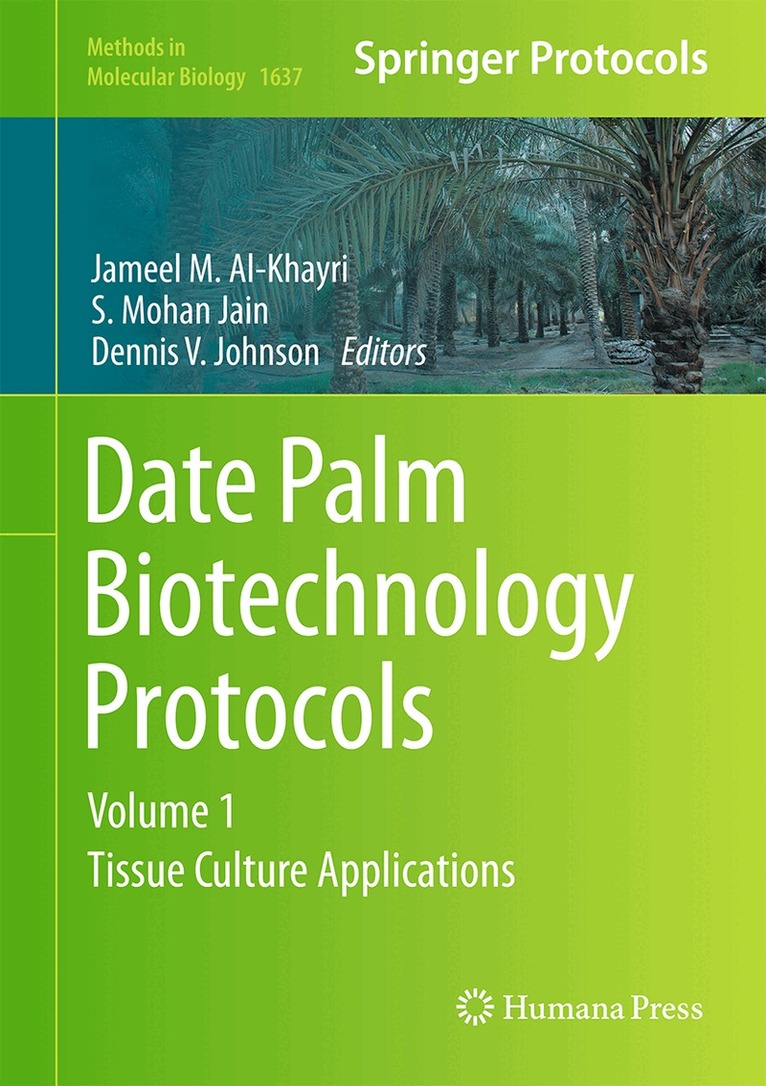
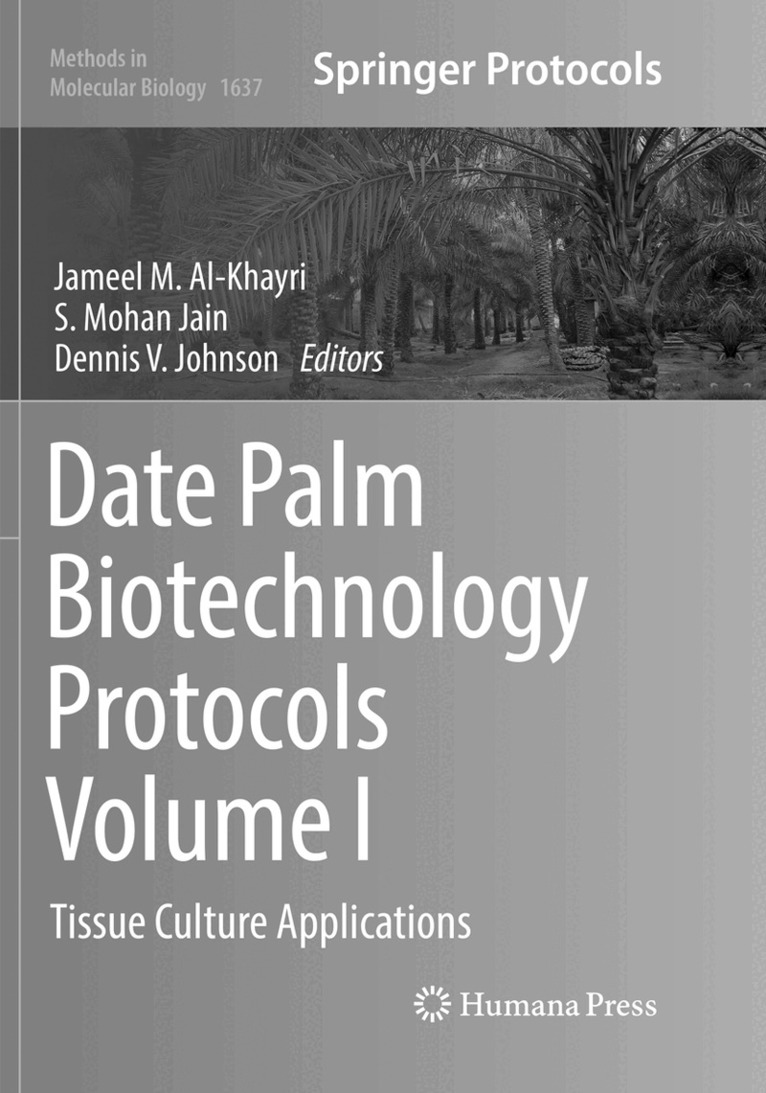
This two-volume book is a valuable resource to students, researchers, scientists, commercial producers, consultants and policymakers interested in agriculture or plant sciences particularly in date palm biotechnology. Date Palm Biotechnology Protocols, Volume 1: Tissue Culture and Applications is comprised of 27 chapters covering adventitious organogenesis, somatic embryogenesis, contamination, hyperhydricity, acclimatization, cell suspension, protoplast and bioreactors, genetic transformation secondary metabolites, and abiotic stress. Written in the highly successful Methods in Molecular Biology series format, chapters include introductions to their respective topics, lists of the necessary materials and reagents, step-by-step, readily reproducible laboratory protocols, and tips on troubleshooting and avoiding known pitfalls.
Authoritative and practical, Date Palm Biotechnology Protocols, Volume 1: Tissue Culture and Applications aims to supplement the previous volume and to provide precise stepwise protocols in the field of date palm biotechnology.
Germplasm Conservation and Molecular Breeding
1 535 kr
Skickas inom 10-15 vardagar
1 891 kr
Läs direkt efter köp
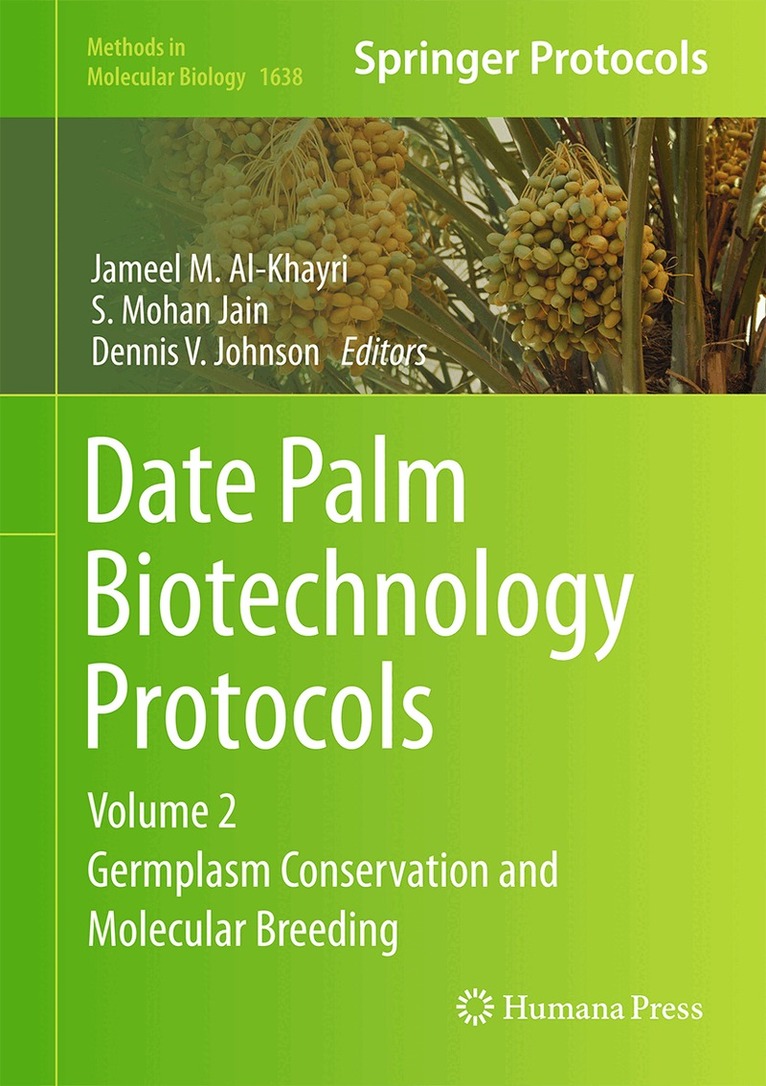
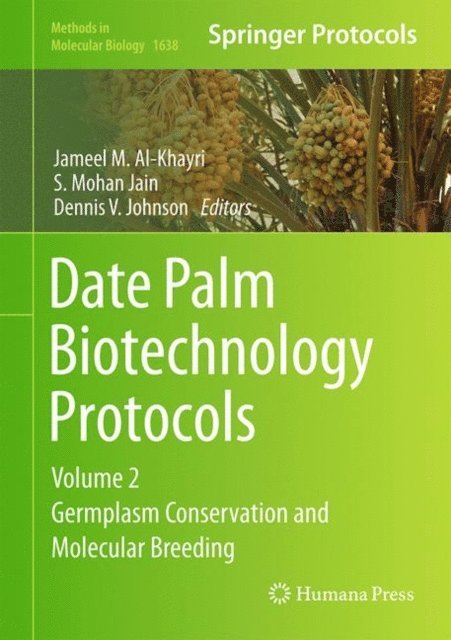
This two-volume book is a valuable resource to students, researchers, scientists, commercial producers, consultants and policymakers interested in agriculture or plant sciences particularly in date palm biotechnology. Chapters in Date Palm Biotechnology Protocols: Volume 2: Germplasm Conservation and Molecular Breeding guides readers through methods and protocols on germplasm in vitro conservation, molecular analysis of in vitro cultures, genetic diversity, cultivar identity, gender identification, genomics, and proteomics. Written in the highly successful Methods in Molecular Biology series format, chapters include introductions to their respective topics, lists of the necessary materials and reagents, step-by-step, readily reproducible laboratory protocols, and tips on troubleshooting and avoiding known pitfalls.
Authoritative and practical, Date Palm Biotechnology Protocols: Volume 2: Germplasm Conservation and Molecular Breeding aims to supplement the previous volume and to provide precise stepwise protocols in the field of date palm biotechnology.
Tissue Culture Applications
1 262 kr
Skickas inom 10-15 vardagar