Inbunden, Engelska, 2024
977 kr
Skickas inom 7-10 vardagar
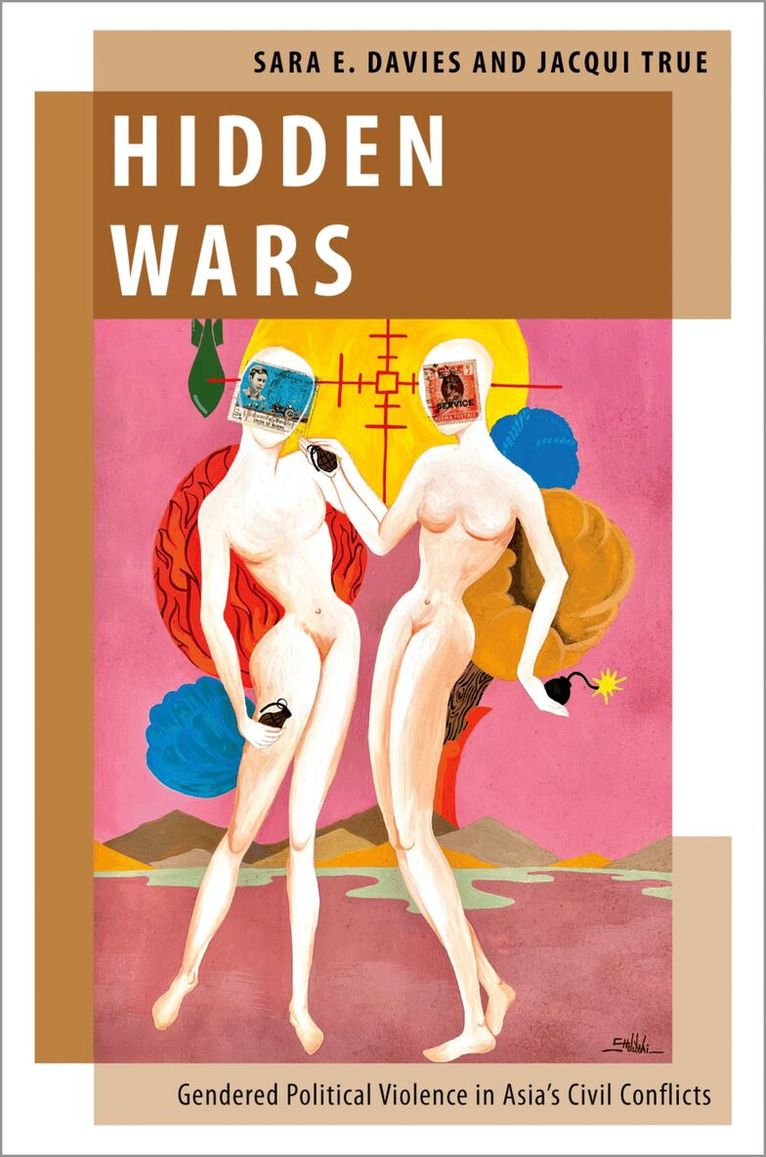
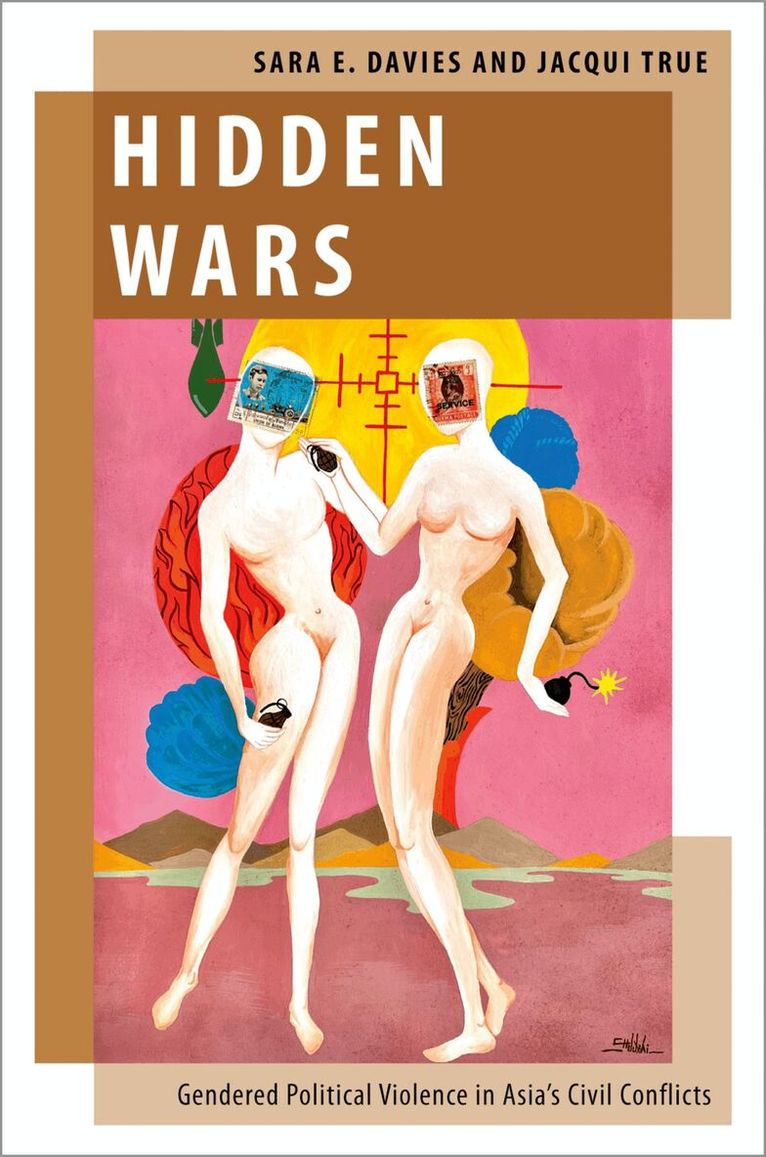
Sexual and gender-based violence (SGBV) has always been a part of warfare. In Asia, testimonies of egregious rape and sexual violence extend back to the Rape of Nanjing, to the experience of the Korean comfort women in World War II, and to forced marriages and sexual slavery during the Cambodian genocide. The past two decades have yielded crucial new insights about SGBV, but scholars and researchers still struggle to explain why and when this violence occurs. A major problem is that incidences of SGBV are vastly underreported; reliable data is especially scarce in Asia, where demographic and health surveys are infrequent and national reporting systems are underdeveloped relative to other parts of the globe. Asia also has some of the most protracted conflicts in the world but the complexity of subnational conflicts in Asia often masks the gendered dimensions of violence. In Hidden Wars, Sara E. Davies and Jacqui True examine the relationship between reports of SGBV and structural gender inequality in three conflict-affected societies in Asia--Burma, the Philippines, and Sri Lanka. Based on extensive field research and an original dataset on conflict-related SGBV, Davies and True show how reporting is significantly constrained by a variety of factors, including normalized gendered violence as well as political dynamics affecting local civil society, humanitarian, and international organizations. They address the real-world limitations of data collection and argue that these constraints reinforce a culture of silence and impunity that perpetuates SGBV and permits governments to abrogate their responsibility for this violence. Hidden Wars breaks new methodological ground in showing that what we know about SGBV can be understood fully only if the politicized context of reporting SGBV and data collection is taken into consideration.