598 kr
Skickas inom 7-10 vardagar
598 kr
Skickas inom 7-10 vardagar
452 kr
Skickas inom 7-10 vardagar
Comparative Perspectives
2 298 kr
Skickas inom 7-10 vardagar
1 369 kr
Skickas inom 11-20 vardagar
878 kr
Skickas inom 7-10 vardagar
1 861 kr
Skickas inom 7-10 vardagar
2 566 kr
Skickas inom 7-10 vardagar
Comparative Perspectives
787 kr
Skickas inom 7-10 vardagar
682 kr
Skickas inom 7-10 vardagar
431 kr
Läs direkt efter köp
426 kr
Läs direkt efter köp
2 718 kr
Läs direkt efter köp
684 kr
Läs direkt efter köp
858 kr
Läs direkt efter köp
858 kr
Läs direkt efter köp
2 136 kr
Kommande
1 253 kr
Skickas inom 7-10 vardagar
455 kr
Skickas inom 7-10 vardagar
1 440 kr
Läs direkt efter köp
2 320 kr
Skickas inom 7-10 vardagar
521 kr
Läs direkt efter köp
551 kr
Skickas inom 7-10 vardagar
1 092 kr
Läs direkt efter köp
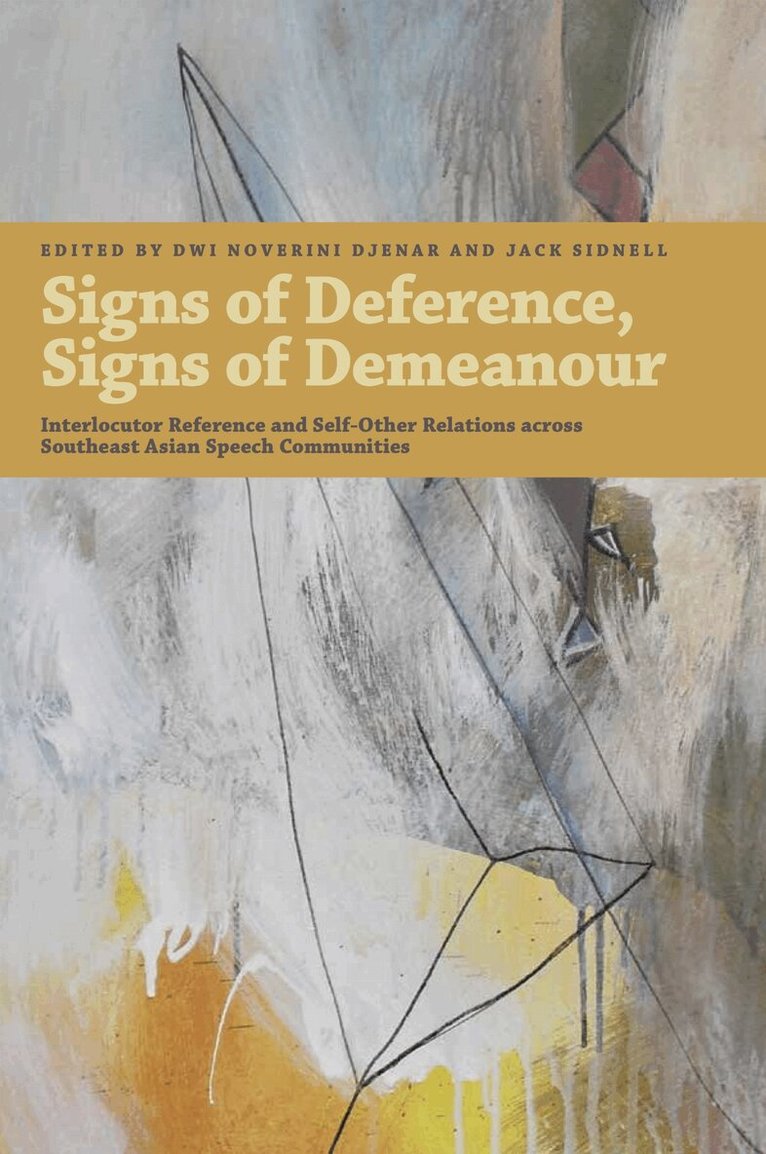
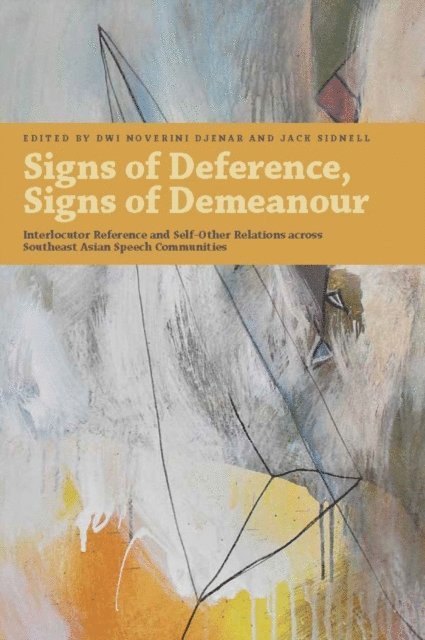
A study of interlocutor reference that significantly deepens our understanding of the ways in which self-other relations are linguistically mediated in social interaction, based on the analysis of Southeast Asian languages. Terms used by speakers to refer to themselves and their interlocutors form one of the ways that language expresses, defines, and creates a field for working out social relations. Because this field of study in sociolinguistics historically has focused on Indo-European languages, it has tended to dwell on references to the addressee—for example, the choice between tu and vous when addressing someone in French. This book uses the study of Southeast Asian languages to theorize interlocutor reference more broadly, significantly deepening our understanding of the ways in which self-other relations are linguistically mediated in social interaction. As the authors explain, Southeast Asian systems exceed in complexity and nuance the well-described cases of Europe in two basic ways. First, in many languages of Southeast Asia, a speaker must select an appropriate reference form not only for other/addressee but also for self/speaker. Second, in these languages, in addition to pronouns, speakers draw upon a range of common and proper nouns including names, kin terms, and titles, in referring to themselves and the addressee. Acts of interlocutor reference, therefore, inevitably do more than simply identify the speaker and addressee; they also convey information about the proposed relation between interlocutors. Bringing together studies from both small-scale and large, urbanized communities across Mainland and Insular Southeast Asia, this is an important contribution to the regional linguistic and anthropological literature.
John Wiley & Sons Inc
705 kr
Tillfälligt slut