"e;Soul food"e; is more than just a particular kind of food on the menu, it's something to feed the deepest parts of who we are, and for many of us, that deep level of our soul can be terribly malnourished! It can be hard to find this kind of "e;soul food"e; to fit your finicky palette, especially if you don't particularly have a liking for pious religion. But for those many sad spirits who struggle to even get a snack of spiritual junk food now and again, here is a collection of dishes with real nourishment, put together by an Army Chaplain who's been feeding irreligious Soldiers for years! Some items on the menu are imported from observations from "e;the sandbox"e; (Iraq, Afghanistan, you know the place), others as domestic as your own back yard. As with any feast, great nourishment is meant to be shared, so whether for yourself or as a gift for someone with finicky taste, take a sample from this menu of soul food...
In 1957, President Dwight D. Eisenhower and Arkansas governor Orval Faubus viewed the desegregation of Little Rock Central High through very different lenses. The president worried that displays of rampant racism tarnished the nation''s reputation as a global power and undermined efforts to thwart the spread of communism. The governor sided with his segregationist constituents to guarantee his political survival. For the nine teenagers caught in the middle, Central High was a cauldron of racial tension. These students represented the black and moderate-white community’s desire for social justice. The documents collected in this book–newspaper articles, political cartoons, excerpts from oral histories and memoirs, speeches, photographs, and editorials–help readers understand how this local, southern conflict became a national and international cause. The documents selected cover the period 1900–2006. Some have never been published before or are in out-of-print sources. Each reveals something significant about the event and its aftermath, while some offer an unconventional or unexpected perspective on the crisis and the issues it raised. A timeline, a list of key players in the crisis, and a selected, annotated bibliography are included.
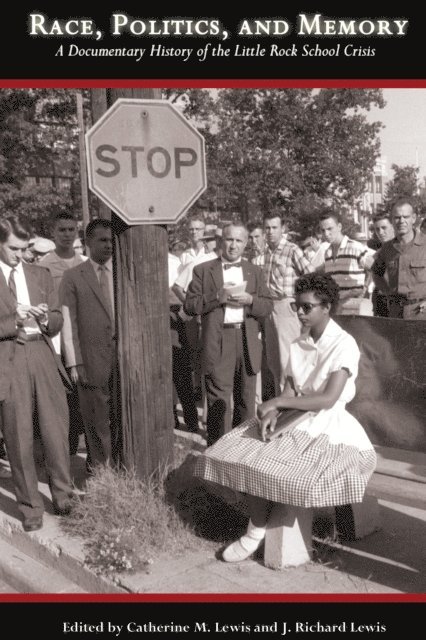
In 1957, President Dwight D. Eisenhower and Arkansas governor Orval Faubus viewed the desegregation of Little Rock Central High through very different lenses. The president worried that displays of rampant racism tarnished the nation's reputation as a global power and undermined efforts to thwart the spread of communism. The governor sided with his segregationist constituents to guarantee his political survival. For the nine teenagers caught in the middle, Central High was a cauldron of racial tension. These students represented the black and moderate-white community's desire for social justice. The documents collected in this book - newspaper articles, political cartoons, excerpts from oral histories and memoirs, speeches, photographs, and editorials - help readers understand how this local, southern conflict became a national and international cause. The documents selected cover the period 1900-2006. Some have never been published before or are in out-of-print sources. Each reveals something significant about the event and its aftermath, while some offer an unconventional or unexpected perspective on the crisis and the issues it raised. A timeline, a list of key players in the crisis, and a selected, annotated bibliography are included.
In 1957, President Dwight D. Eisenhower and Arkansas governor Orval Faubus viewed the desegregation of Little Rock Central High through very different lenses. The president worried that displays of rampant racism tarnished the nation's reputation as a global power and undermined efforts to thwart the spread of communism. The governor sided with his segregationist constituents to guarantee his political survival. For the nine teenagers caught in the middle, Central High was a cauldron of racial tension. These students represented the black and moderate-white community's desire for social justice. The documents collected in this book - newspaper articles, political cartoons, excerpts from oral histories and memoirs, speeches, photographs, and editorials - help readers understand how this local, southern conflict became a national and international cause. The documents selected cover the period 1900-2006. Some have never been published before or are in out-of-print sources. Each reveals something significant about the event and its aftermath, while some offer an unconventional or unexpected perspective on the crisis and the issues it raised. A timeline, a list of key players in the crisis, and a selected, annotated bibliography are included.
This is an ideal resource on racism and segregation in American life. The term ""Jim Crow"" has had multiple meanings and a dark and complex past. It was first used in the early nineteenth century. After the Civil War it referred to the legal, customary, and often extralegal system that segregated and isolated African Americans from mainstream American life. In response to the increasing loss of their rights of citizenship and the rising tide of violence, the National Association for the Advancement of Colored People was founded in 1909. The federal government eventually took an active role in dismantling Jim Crow toward the end of the Depression. But it wasn't until the Lyndon Johnson years and all the work that led up to them that the end of Jim Crow finally came to pass. This unique book provides readers with a wealth of primary source materials from 1828 to 1980 that reveal how the Jim Crow era affects how historians practice their craft. The book is chronologically organized into five sections, each of which focuses on a different historical period in the story of Jim Crow: inventing, building, living, resisting, and dismantling. Many of the fifty-six documents and eighteen images and cartoons, many of which have not been published before, reveal something significant about this subject or offer an unconventional or unexpected perspective on this era. Some of the historical figures whose words are included are Abraham Lincoln, Marcus Garvey, Booker T. Washington, Richard Wright, Paul Robeson, Langston Hughes, Adam Clayton Powell, and Marian Anderson. The book also has an annotated bibliography, a list of key players, a timeline, and key topics for consideration.
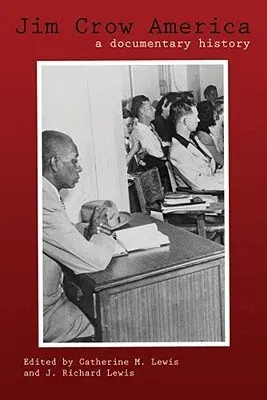
This is an ideal resource on racism and segregation in American life. The term ""Jim Crow"" has had multiple meanings and a dark and complex past. It was first used in the early nineteenth century. After the Civil War it referred to the legal, customary, and often extralegal system that segregated and isolated African Americans from mainstream American life. In response to the increasing loss of their rights of citizenship and the rising tide of violence, the National Association for the Advancement of Colored People was founded in 1909. The federal government eventually took an active role in dismantling Jim Crow toward the end of the Depression. But it wasn't until the Lyndon Johnson years and all the work that led up to them that the end of Jim Crow finally came to pass. This unique book provides readers with a wealth of primary source materials from 1828 to 1980 that reveal how the Jim Crow era affects how historians practice their craft. The book is chronologically organized into five sections, each of which focuses on a different historical period in the story of Jim Crow: inventing, building, living, resisting, and dismantling. Many of the fifty-six documents and eighteen images and cartoons, many of which have not been published before, reveal something significant about this subject or offer an unconventional or unexpected perspective on this era. Some of the historical figures whose words are included are Abraham Lincoln, Marcus Garvey, Booker T. Washington, Richard Wright, Paul Robeson, Langston Hughes, Adam Clayton Powell, and Marian Anderson. The book also has an annotated bibliography, a list of key players, a timeline, and key topics for consideration.