
Häftad, Engelska, 1981
444 kr
Skickas inom 3-6 vardagar
444 kr
Skickas inom 3-6 vardagar
335 kr
Skickas inom 3-6 vardagar
792 kr
Skickas inom 7-10 vardagar
187 kr
Skickas inom 3-6 vardagar
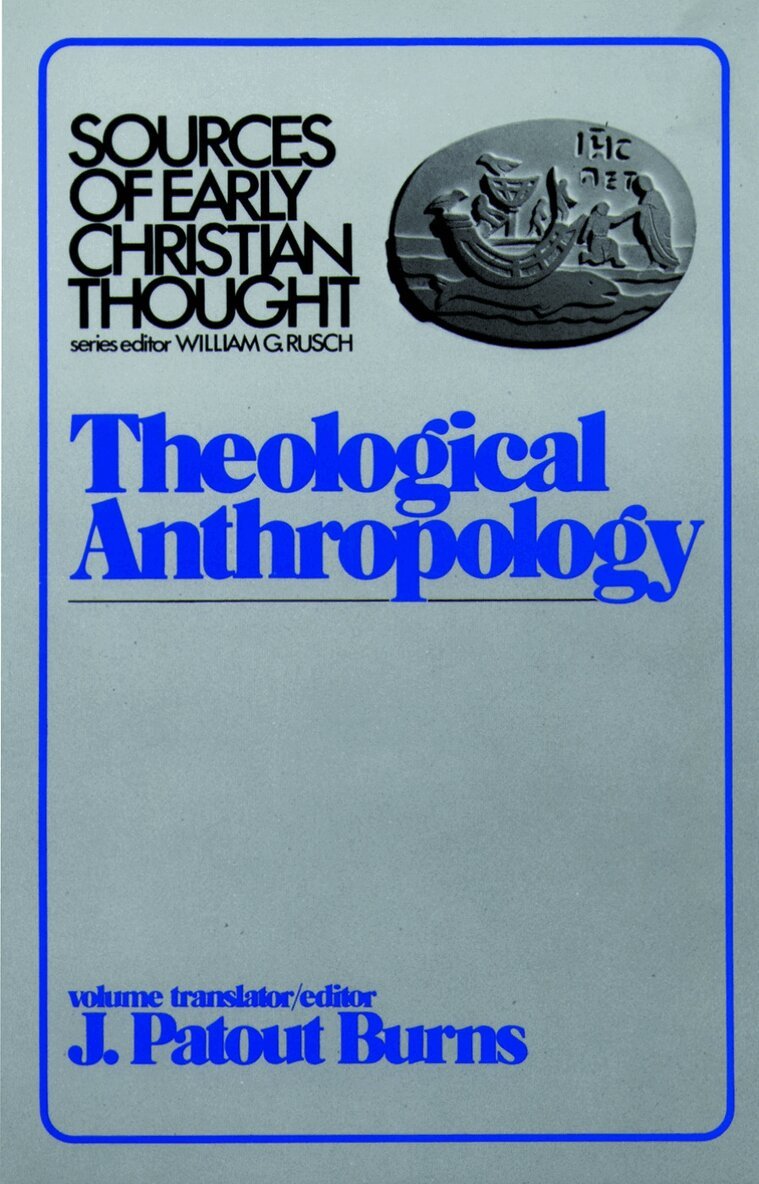
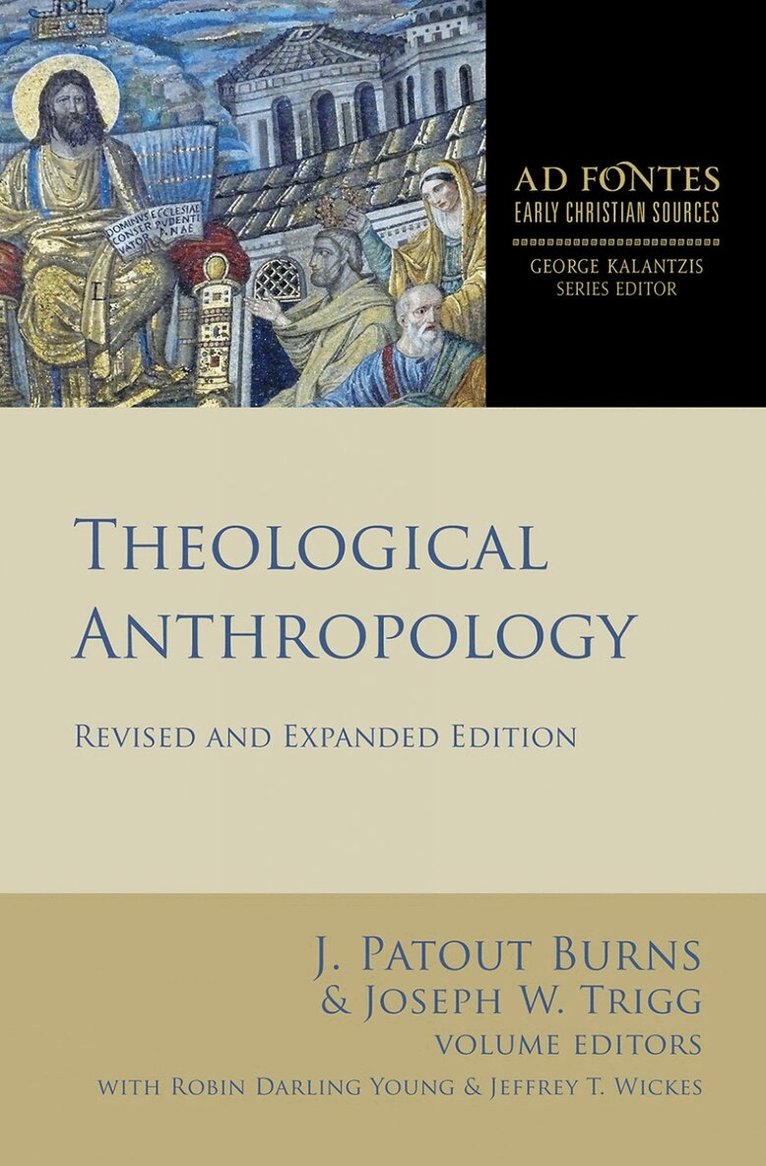
Theological Anthropology gathers and translates seminal texts from early Christianity that explore the diversity of theological approaches to the nature and ends of humanity. Readers will gain a sense of how early Christians conceived of and reflected upon humanity and human nature in different theological movements, including Platonism, Gnosticism, asceticism, Pelagianism, Augustinianism, and their legacies in late antiquity and the dawn of the Middle Ages.
Theological Anthropology is part of Ad Fontes: Early Christian Sources, a series designed to present ancient Christian texts essential to an understanding of Christian theology, ecclesiology, and practice. The books in the series will make the wealth of early Christian thought available to new generations of students of theology and provide a valuable resource for the Church. Developed in light of recent Patristic scholarship, the volumes will provide a representative sampling of theological contributions from both East and West.
The series aims to provide volumes that are relevant for a variety of courses: from introduction to theology to classes on doctrine and the development of Christian thought. The goal of each volume is not to be exhaustive, but rather representative enough to denote for a non-specialist audience the multivalent character of early Christian thought, allowing readers to see how and why early Christian doctrine and practice developed the way it did.
758 kr
Läs direkt efter köp
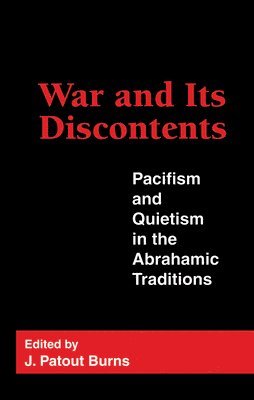
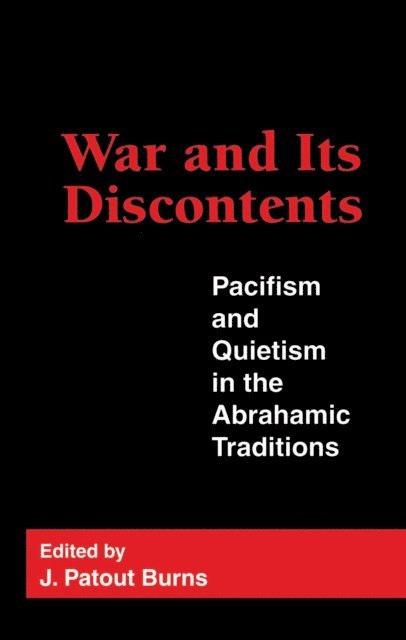
This volume examines the limits Islam, Judaism, and Christianity have set for the use of coercive violence. It probes the agreements and disagreements of these major religious traditions on pacifism (the abjurance of all force) and quietism (the avoidance of force unless certain stringent conditions are met).
The distinguished contributors examine the foundations for nonviolence in each religion, criticize the positions each religion has taken, address the inherent challenges nonviolence poses, and evaluate the difficulty of practicing nonviolence in a secular society. The concluding essay defines the common ground, isolates the points of conflict, and suggests avenues of further inquiry.
The most important contribution this volume makes is to demonstrate that no Western religious tradition provides a basis for the glorification of violence. Rather, each accepts warfare as a regretted necessity and sets strict limits on the use of force.
This work offers new insights for those interested in the ethics of warfare, peace studies, religious traditions, and international affairs.

318 kr
Skickas inom 7-10 vardagar

520 kr
Läs direkt efter köp