2 497 kr
Skickas inom 10-15 vardagar
2 497 kr
Skickas inom 10-15 vardagar
749 kr
Skickas inom 7-10 vardagar
2 165 kr
Skickas inom 7-10 vardagar
655 kr
Läs direkt efter köp
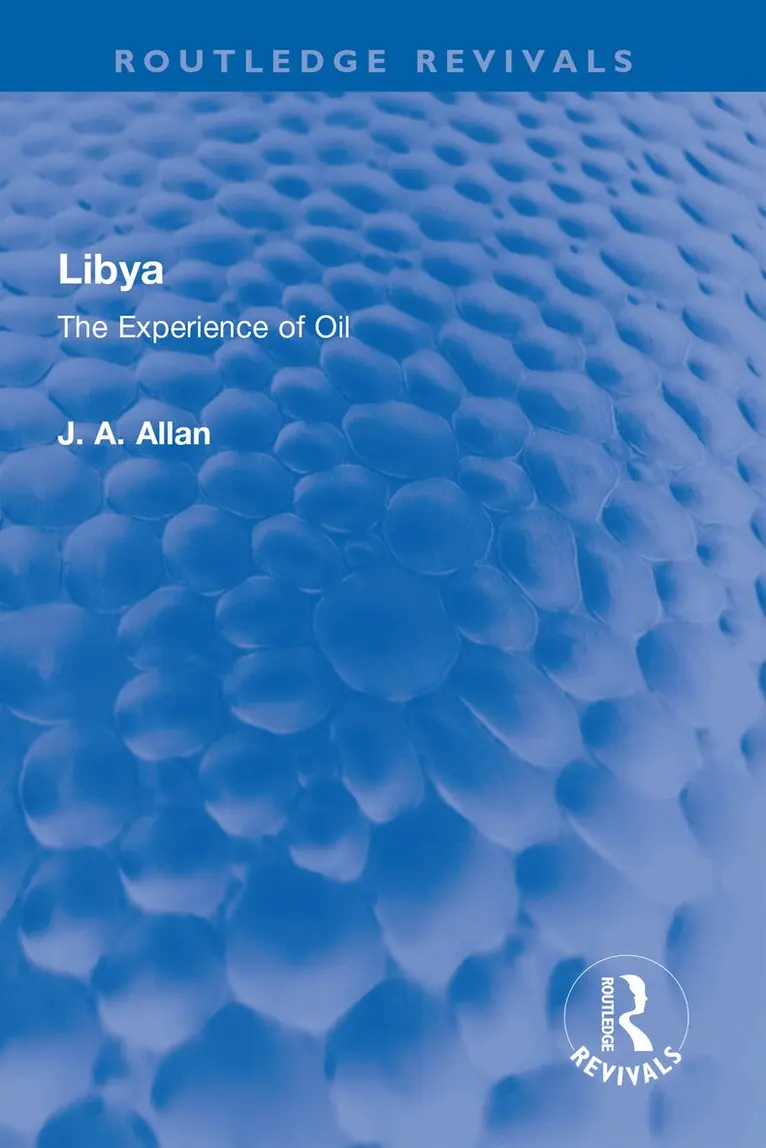
First published in 1981, Libya: The Experience of Oil provides a comprehensive overview of Libya’ s socio-economic development since the reform of 1961. It reviews Libya’s oil endowment and draws attention to the deficiencies in the country’s renewable natural resources and in the availability of unskilled labour and trained professional staff. The absorption of oil wealth after 1961 is shown to have been severely constrained by poor factor endowment in land and labour resources. The book shows that by end of the 1970s there had been a significant redistribution of wealth along with a reorganization of the economy, such that almost all production, distribution and resources were under public control. A recurring feature observed in this pattern of change is that rates of investment, sectoral allocations to the development spending, improvement in the standard of living and the level of social service provision advanced at a constant rate after oil and that the revolution had little impact on the rate of improvement in the development indicators. This is book is an essential read for scholars and researchers of African studies, African politics, geopolitics and international relations.
660 kr
Läs direkt efter köp
First published in 1981, Libya: The Experience of Oil provides a comprehensive overview of Libya’ s socio-economic development since the reform of 1961. It reviews Libya’s oil endowment and draws attention to the deficiencies in the country’s renewable natural resources and in the availability of unskilled labour and trained professional staff. The absorption of oil wealth after 1961 is shown to have been severely constrained by poor factor endowment in land and labour resources. The book shows that by end of the 1970s there had been a significant redistribution of wealth along with a reorganization of the economy, such that almost all production, distribution and resources were under public control. A recurring feature observed in this pattern of change is that rates of investment, sectoral allocations to the development spending, improvement in the standard of living and the level of social service provision advanced at a constant rate after oil and that the revolution had little impact on the rate of improvement in the development indicators. This is book is an essential read for scholars and researchers of African studies, African politics, geopolitics and international relations.
2 210 kr
Skickas inom 10-15 vardagar
563 kr
Skickas inom 10-15 vardagar
826 kr
Läs direkt efter köp
826 kr
Läs direkt efter köp
1 977 kr
Skickas inom 10-15 vardagar