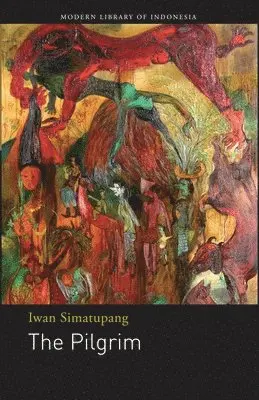
The Pilgrim, first published in 1969, has been hailed as Indonesia’s first real modern novel. The main characters are an artist and a cemetery overseer; the former represents emotion and the latter signifies reason and the conflicting aspects of human nature. Despite the characters’ antagonistic nature and cruelty, they are-in some ways-very similar. Both represents forms of creativity, philosophy, and art. Both exist outside conventional society. Both are searching for genuine human values and are aware of their shortcomings. In The Pilgrim, the chaos of thought and feelings represents life in its chaotic randomness.
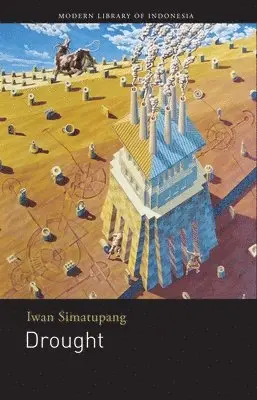
Drought is a celebration of life and human commitment. The hero decides to move to one of Indonesia’s outer islands, in a government-run program called “transmigration”, to start a new life as a farmer. His near-failed effort takes him to meet various inspired madmen—bureaucrats, bandits, psychiatrists, religious teachers, and a beautiful woman known only as the V.I.P. The combination of these characters will make us question what is considered “normal” in a conventional society. The book is a lyrical testimony of the strength and unpredictability of human character.