752 kr
Skickas inom 10-15 vardagar
752 kr
Skickas inom 10-15 vardagar
2 620 kr
Skickas inom 10-15 vardagar
676 kr
Skickas inom 10-15 vardagar
868 kr
Läs direkt efter köp
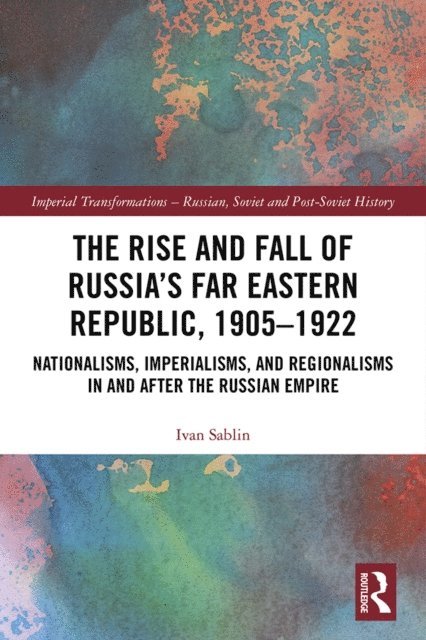
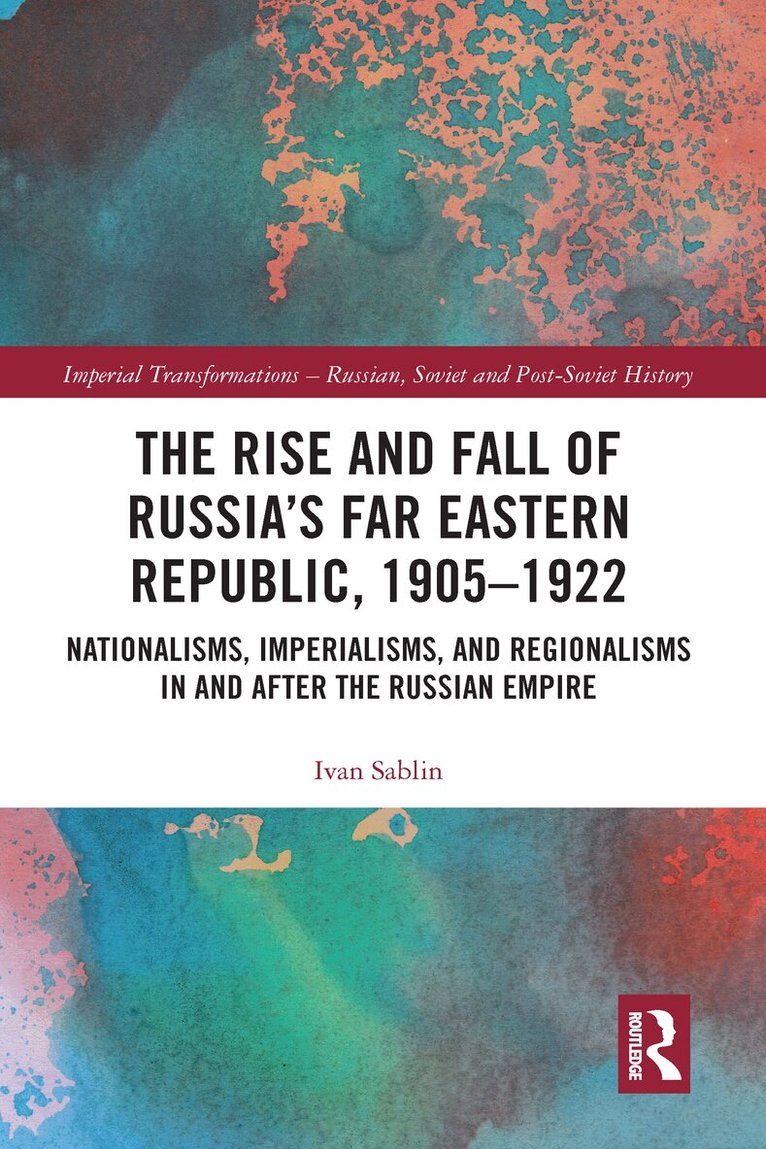
The Russian Far East was a remarkably fluid region in the period leading up to, during, and after the Russian Revolution. The different contenders in play in the region, imagining and working toward alternative futures, comprised different national groups, including Russians, Buryat-Mongols, Koreans, and Ukrainians; different imperialist projects, including Japanese and American attempts to integrate the region into their political and economic spheres of influence as well as the legacies of Russian expansionism and Bolshevik efforts to export the revolution to Mongolia, Korea, China, and Japan; and various local regionalists, who aimed for independence or strong regional autonomy for distinct Siberian and Far Eastern communities and whose efforts culminated in the short-lived Far Eastern Republic of 1920–1922. The Rise and Fall of Russia’s Far Eastern Republic, 1905–1922 charts developments in the region, examines the interplay of the various forces, and explains how a Bolshevik version of state-centered nationalism prevailed.
855 kr
Läs direkt efter köp
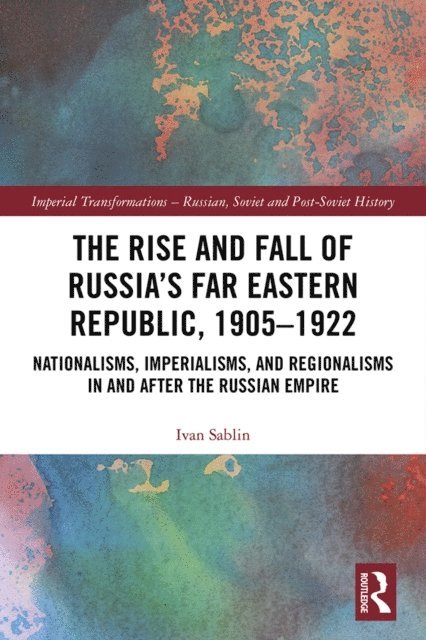
The Russian Far East was a remarkably fluid region in the period leading up to, during, and after the Russian Revolution. The different contenders in play in the region, imagining and working toward alternative futures, comprised different national groups, including Russians, Buryat-Mongols, Koreans, and Ukrainians; different imperialist projects, including Japanese and American attempts to integrate the region into their political and economic spheres of influence as well as the legacies of Russian expansionism and Bolshevik efforts to export the revolution to Mongolia, Korea, China, and Japan; and various local regionalists, who aimed for independence or strong regional autonomy for distinct Siberian and Far Eastern communities and whose efforts culminated in the short-lived Far Eastern Republic of 1920–1922. The Rise and Fall of Russia’s Far Eastern Republic, 1905–1922 charts developments in the region, examines the interplay of the various forces, and explains how a Bolshevik version of state-centered nationalism prevailed.
2 544 kr
Skickas inom 10-15 vardagar
641 kr
Skickas inom 10-15 vardagar
2 863 kr
Skickas inom 10-15 vardagar
736 kr
Skickas inom 10-15 vardagar
2 620 kr
Skickas inom 10-15 vardagar
831 kr
Läs direkt efter köp
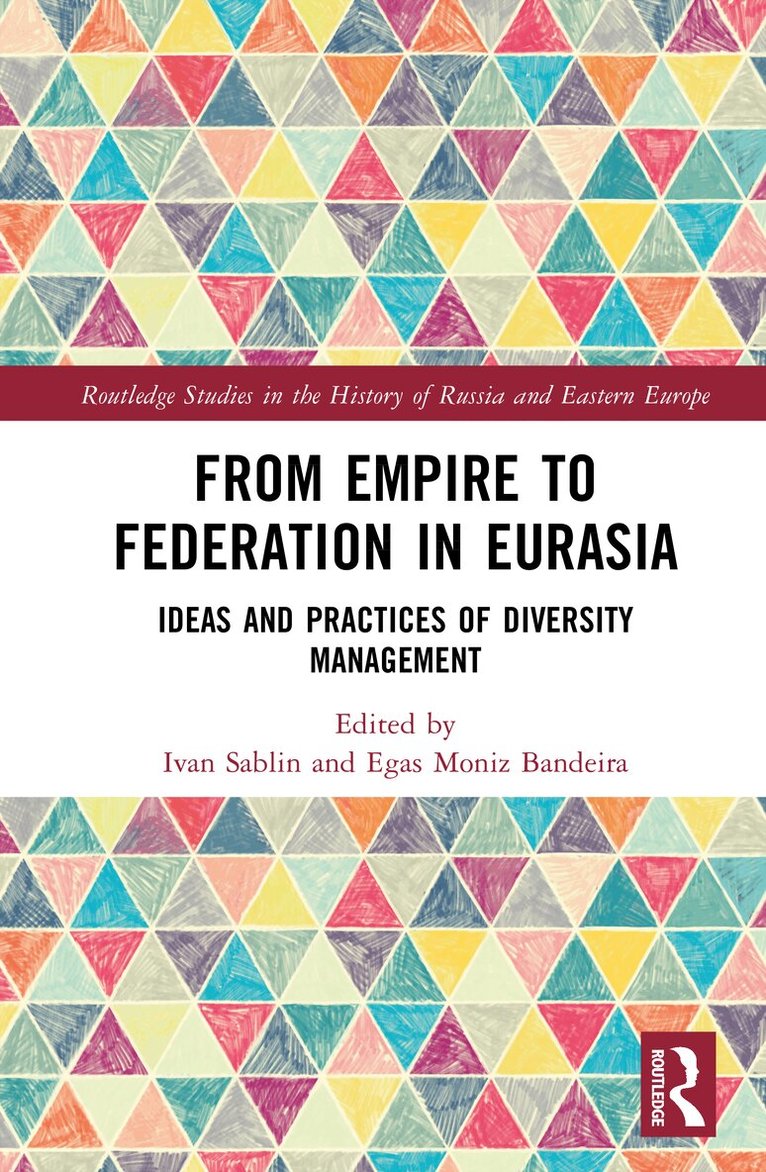
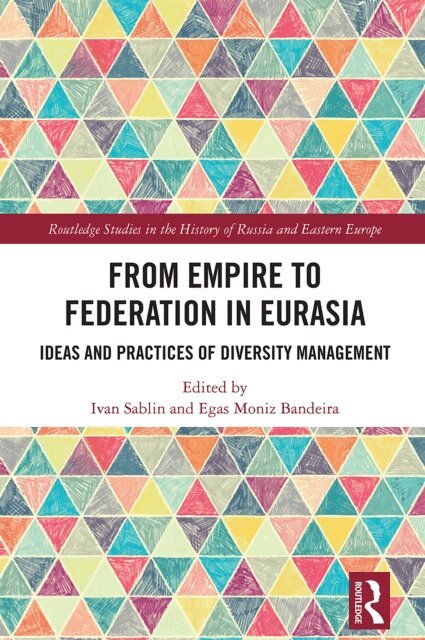
Bringing together nine chapters penned by experts in different area studies, From Empire to Federation in Eurasia investigates how empires and postimperial regimes – including the Ottoman, Russian, Habsburg, Qing/Republican Chinese, Japanese, and Siamese polities – grappled with the challenges of diversity, decentralization, and self-determination.
Paying attention to both vernacular models and external inspirations, it reframes the study of state-building beyond the Western European and North American contexts. Federalist and autonomist designs served to restructure diversity management, shifting from vertical imperial rights regimes to more horizontal arrangements, often resulting in asymmetric federalism. Although in many cases exclusionary nationalism and centralization triumphed, the diverse visions reveal alternative trajectories of (post)imperial and (post)colonial transformations.
A major contribution to the global history of concepts, institutions, and political practices, this book will appeal to scholars and students of global and international history, political science, and area studies – including Eastern European, Eurasian, East Asian, Middle Eastern, and South Asian studies.
856 kr
Läs direkt efter köp
Bringing together nine chapters penned by experts in different area studies, From Empire to Federation in Eurasia investigates how empires and postimperial regimes – including the Ottoman, Russian, Habsburg, Qing/Republican Chinese, Japanese, and Siamese polities – grappled with the challenges of diversity, decentralization, and self-determination.
Paying attention to both vernacular models and external inspirations, it reframes the study of state-building beyond the Western European and North American contexts. Federalist and autonomist designs served to restructure diversity management, shifting from vertical imperial rights regimes to more horizontal arrangements, often resulting in asymmetric federalism. Although in many cases exclusionary nationalism and centralization triumphed, the diverse visions reveal alternative trajectories of (post)imperial and (post)colonial transformations.
A major contribution to the global history of concepts, institutions, and political practices, this book will appeal to scholars and students of global and international history, political science, and area studies – including Eastern European, Eurasian, East Asian, Middle Eastern, and South Asian studies.
833 kr
Skickas inom 10-15 vardagar
2 620 kr
Skickas inom 10-15 vardagar
2 544 kr
Skickas inom 10-15 vardagar
992 kr
Läs direkt efter köp
999 kr
Läs direkt efter köp