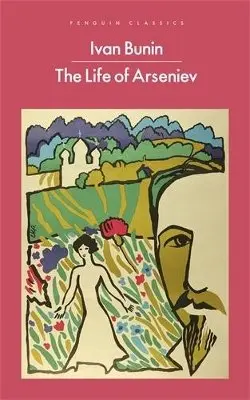
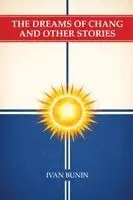
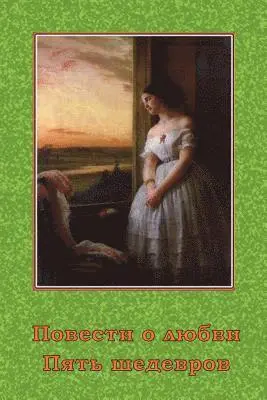
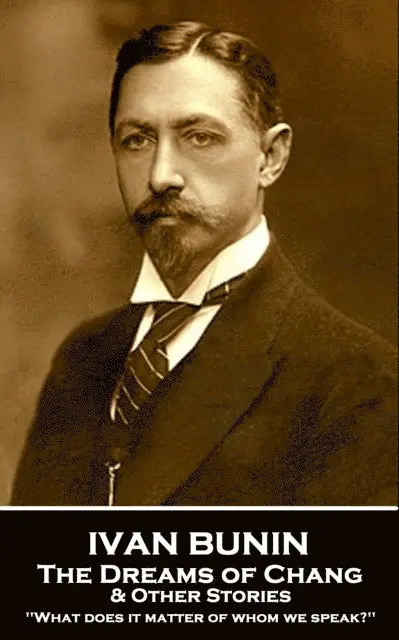
Ivan Alekseyevich Bunin was born on 22nd October 1870 in Voronezh province, in the South-West of the Russian Empire.
His early life was plagued by his Father’s gambling habits which caused his education to be erratic and the family to lose most of their wealth.
Bunin published his first poem in 1887 in St Petersburg and later in Oryol he worked for the local paper and became its editor, handily allowing him to publish his own poems and short stories. There he met and married Varvara Pashchenko. Ivan Bunin''s debut book of poetry ‘Poems (1887–1891)’ was published in 1891.
This poetry and his translation of Longfellow garnered him his first Pushkin Prize. Now he switched to writing prose and his novella ‘Antonov Apples’ is regarded as his first masterpiece. Many more would follow.
The October Revolution of 1905 found Bunin in the Crimea. Scenes of ‘class struggle’ he saw more as the oppressed people''s craving for anarchy and destruction.
In November 1906 he began a passionate affair with Vera Muromtseva, within a few months they were touring through Egypt and Palestine. ‘The Bird''s Shadow’ collection was the result.
His second Pushkin Prize came in 1909 for Poems (1903–1906) and further translations. He was now elected to the prestigious Russian Academy.
More widespread fame came in 1910 with ‘The Village’, a controversial and bleak portrayal of Russian country life. Travel too beckoned them back to the Middle East, Ceylon (now Sri Lanka) and for winters in Capri with their friend Maxim Gorky.
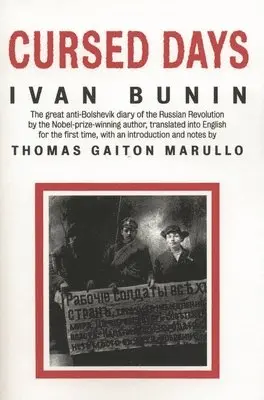
That friendship suddenly ended in April 1917 as the revolution began to ferment in war-ravaged Russia. After the Bolsheviks took power and the upheavals continued, he decided to leave Russia, finally achieving that in early 1920.
It would take some time to heal the wounds and stress he had been under and for his writing to begin again. Settled in France, Bunin published many of his previous works and collections of novellas. He also made regular contributions to the Russian emigre press.
Although reluctant to become involved in politics, Bunin was now feted as both a writer and the figurehead of non-Bolshevik Russian values and traditions. In 1933 he became the first Russian to be awarded the Nobel Prize for Literature ‘for following through and developing with chastity and artfulness the traditions of Russian classic prose.’
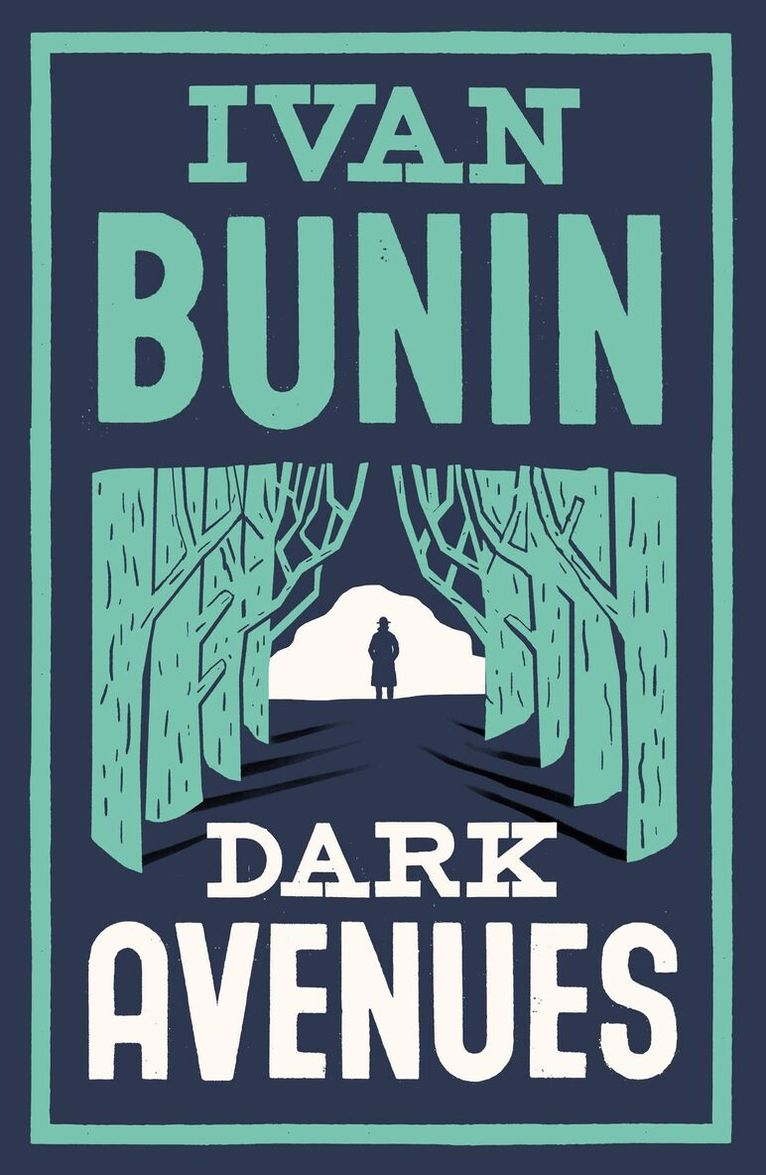
In 1938 Bunin began working on the celebrated cycle of nostalgic, and erotically themed stories known Dark Avenues (or Dark Alleys).
As World War II broke out he chose to remain in Grasse spending the war at his remote Villa Jeanette, high in the mountains.
Ivan Bunin was a staunch anti-Nazi, and often, under difficult conditions, sheltered fugitives after Vichy was occupied by the Germans. He wrote but did not publish during these years until on August 23rd the Nazi’s fled Grasse without a fight. The next day the Americans came.
In May 1945 he returned to Paris and, apart from convalescing at times in Juan-les-Pins, he stayed for the rest of his life.
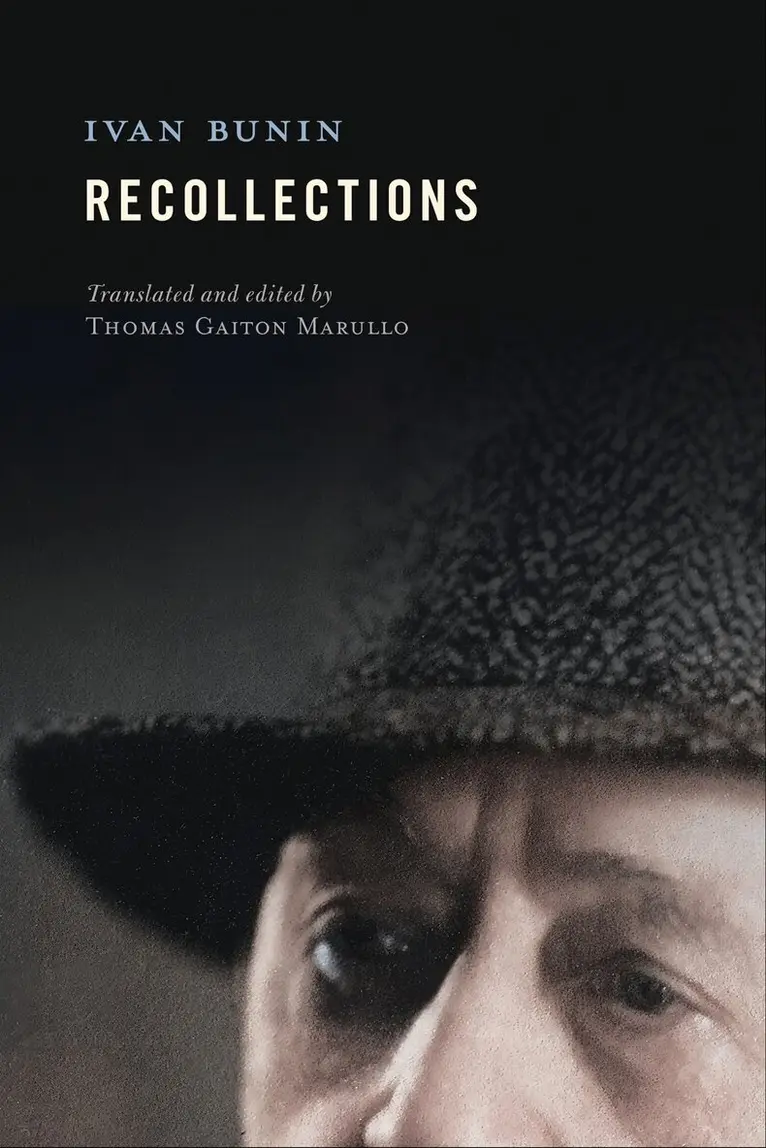
After 1948, with his health deteriorating, Bunin concentrated upon writing his memoirs and a book on Chekhov. His last years were overshadowed by bitterness and despair at the situation in Russia and the treatment of its peoples. He was suffering now from asthma, bronchitis and chronic pneumonia.
Ivan Alekseyevich Bunin died in a Paris attic flat on 8th November 1953. Heart failure, cardiac asthma and pulmonary sclerosis were given as the causes of death. He was 83.