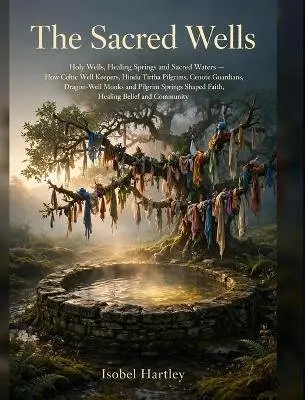
Before there were temples, there were springs — and people have never stopped returning to them.A holy well in Ireland with rags tied in the tree above it. A hot spring at Bath where Romans threw written curses into the water. A desert well at the heart of the world's largest pilgrimage, a Himalayan river at the moment it leaves the ice, a limestone cenote the Maya treated as a door to the underworld. The Sacred Wells travels to forty of these places, one well, spring or tradition at a time, and asks what humanity's oldest shrines can teach about faith, healing belief and community.Healing is treated throughout as history and belief — what people hoped, reported and ritualised — never as medical promise. What the record does show is richer: keepers, offerings, curses, festivals, drought rites and the long human work of tending water that rises freely from the earth.Inside you'll discoverWhy wells became holy — and why the clootie tree's rotting rags were the point of the riteSulis Minerva at Bath and the lead curse tablets recovered from her spring in 1979–80Zamzam, the Hindu tirthas, the Ganges at its source and China's Dragon Well monksCenote guardians in Yucatan, Andean snow-star pilgrims and the Osun river grove at OsogboWell keepers, well dressing, spa towns and the rise of taking the watersWhat happened when wells ran dry — drought processions, rain saints and bargaining with heavenWho this book is forReaders of sacred geography and folk religion, pilgrims and slow travellers, and anyone who has ever stood at a spring and felt a place was older than prayer.Isobel Hartley writes narrative history of the places where belief meets landscape.Forty wells. Forty keepers. One long human habit of gratitude at the water's edge.