85 kr
Läs direkt efter köp
85 kr
Läs direkt efter köp
86 kr
Läs direkt efter köp
133 kr
Skickas
754 kr
Skickas inom 10-15 vardagar
798 kr
Skickas inom 10-15 vardagar
1 208 kr
Skickas inom 10-15 vardagar
4 205 kr
Skickas inom 10-15 vardagar
Taylor & Francis Ltd
23 504 kr
Skickas inom 7-10 vardagar
2 760 kr
Skickas inom 10-15 vardagar
827 kr
Skickas inom 10-15 vardagar
2 136 kr
Skickas inom 10-15 vardagar
707 kr
Skickas inom 10-15 vardagar
453 kr
Skickas inom 7-10 vardagar
513 kr
Skickas inom 7-10 vardagar
2 515 kr
Skickas inom 10-15 vardagar
651 kr
Skickas inom 10-15 vardagar
2 515 kr
Skickas inom 10-15 vardagar
642 kr
Skickas inom 10-15 vardagar
746 kr
Läs direkt efter köp
746 kr
Läs direkt efter köp
970 kr
Läs direkt efter köp
970 kr
Läs direkt efter köp
935 kr
Läs direkt efter köp
935 kr
Läs direkt efter köp
1 437 kr
Läs direkt efter köp
1 437 kr
Läs direkt efter köp
Taylor & Francis Ltd
20 981 kr
Skickas inom 7-10 vardagar
3 760 kr
Skickas inom 10-15 vardagar
883 kr
Läs direkt efter köp
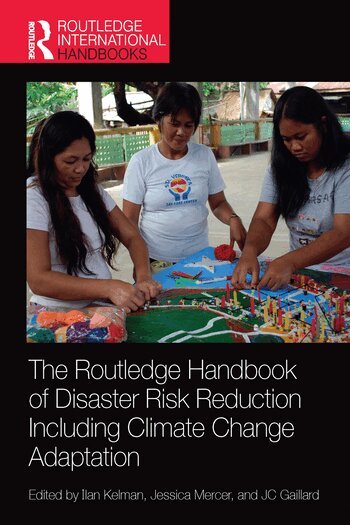
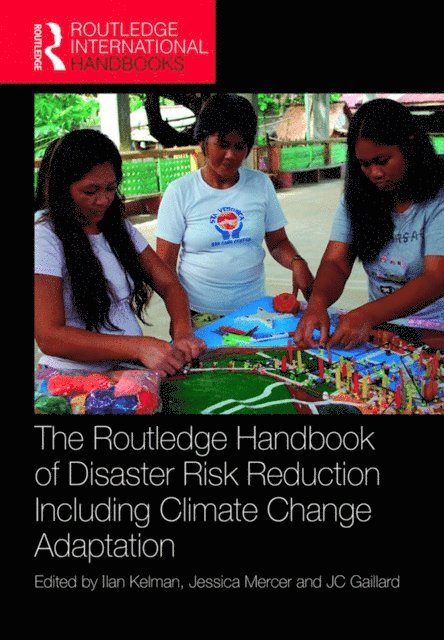
The Routledge Handbook of Disaster Risk Reduction Including Climate Change Adaptation aims to provide an overview and critique of the current state of knowledge, policy, and practice, encouraging engagement, and reflection on bringing the two sectors together. This long-awaited and welcomed volume makes a compelling case that a common research agenda and a series of practical policies and policy recommendations can and should be put in place.
Over 40 contributions explore DRR including CCA in five parts. The first part presents and interrogates much of the typical vocabulary seen in DRR including CCA, not only pointing out the useful and not-so-useful dimensions, but also providing alternatives and positive examples. The second part explains how to move forward creating and supporting positive crossovers and connections, while the third one explores some aspects of multi-dimensional approaches to knowing and understanding. The fourth part argues for a balanced approach to governance, taking both governmental and non-governmental governance, as well as different scales of governance, into consideration. The final part of the Handbook emphasises DRR including CCA as an investment, rather than a cost, and connects its further implementation with livelihoods of people around the world.
This handbook highlights the connections amongst the processes of dealing with disasters and dealing with climate change. It demonstrates how little climate change brings which is new and emphasises the strengths of placing climate change within wider contexts in order to draw on all our strengths while overcoming limitations with specialities. It will prove to be a valuable guide for graduate and advanced undergraduate students, academics, policy makers, and practitioners with an interest in disaster risk reduction and climate change.
877 kr
Läs direkt efter köp
The Routledge Handbook of Disaster Risk Reduction Including Climate Change Adaptation aims to provide an overview and critique of the current state of knowledge, policy, and practice, encouraging engagement, and reflection on bringing the two sectors together. This long-awaited and welcomed volume makes a compelling case that a common research agenda and a series of practical policies and policy recommendations can and should be put in place.
Over 40 contributions explore DRR including CCA in five parts. The first part presents and interrogates much of the typical vocabulary seen in DRR including CCA, not only pointing out the useful and not-so-useful dimensions, but also providing alternatives and positive examples. The second part explains how to move forward creating and supporting positive crossovers and connections, while the third one explores some aspects of multi-dimensional approaches to knowing and understanding. The fourth part argues for a balanced approach to governance, taking both governmental and non-governmental governance, as well as different scales of governance, into consideration. The final part of the Handbook emphasises DRR including CCA as an investment, rather than a cost, and connects its further implementation with livelihoods of people around the world.
This handbook highlights the connections amongst the processes of dealing with disasters and dealing with climate change. It demonstrates how little climate change brings which is new and emphasises the strengths of placing climate change within wider contexts in order to draw on all our strengths while overcoming limitations with specialities. It will prove to be a valuable guide for graduate and advanced undergraduate students, academics, policy makers, and practitioners with an interest in disaster risk reduction and climate change.