844 kr
Läs direkt efter köp
844 kr
Läs direkt efter köp
3 319 kr
Skickas inom 7-10 vardagar
1 290 kr
Skickas inom 7-10 vardagar
694 kr
Läs direkt efter köp
699 kr
Läs direkt efter köp
981 kr
Skickas inom 5-8 vardagar
2 092 kr
Skickas inom 7-10 vardagar
604 kr
Läs direkt efter köp
604 kr
Läs direkt efter köp
417 kr
Läs direkt efter köp
420 kr
Läs direkt efter köp
1 544 kr
Skickas inom 7-10 vardagar
3 624 kr
Skickas inom 7-10 vardagar
1 727 kr
Skickas inom 7-10 vardagar
757 kr
Skickas inom 5-8 vardagar
661 kr
Läs direkt efter köp
661 kr
Läs direkt efter köp
2 045 kr
Skickas inom 7-10 vardagar
1 847 kr
Skickas inom 7-10 vardagar
1 001 kr
Läs direkt efter köp
1 001 kr
Läs direkt efter köp
844 kr
Läs direkt efter köp
1 112 kr
Skickas inom 10-15 vardagar
1 335 kr
Läs direkt efter köp
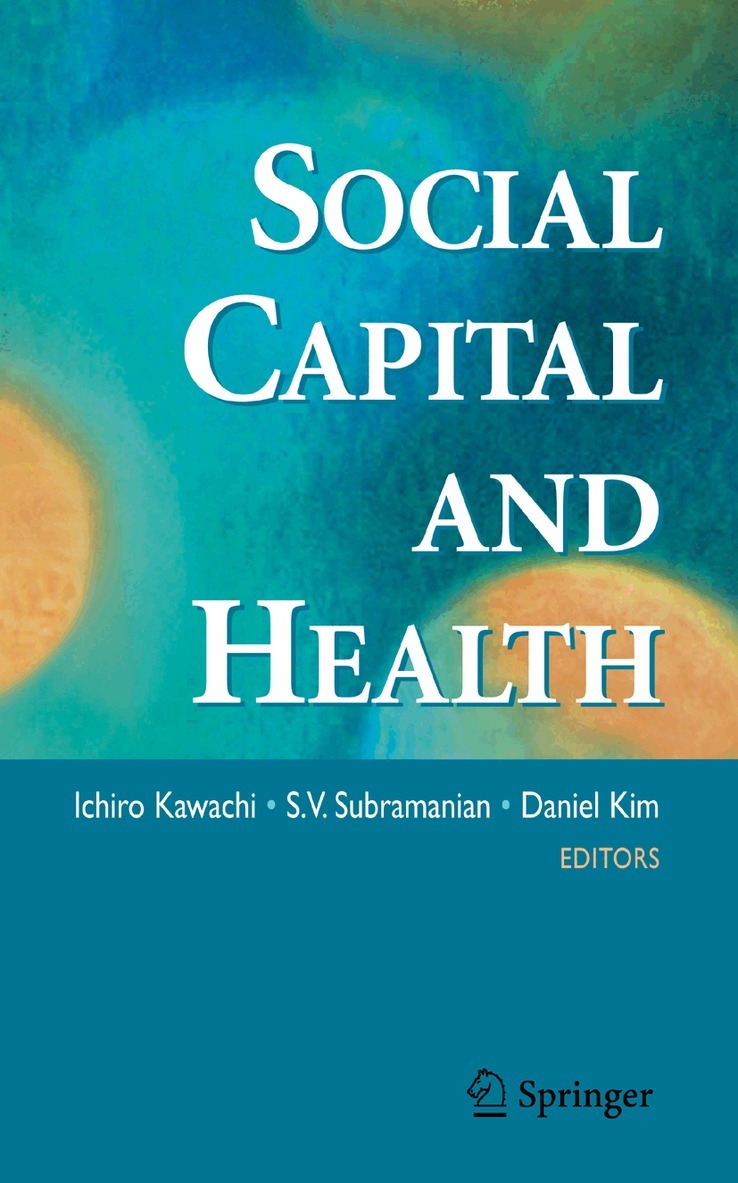
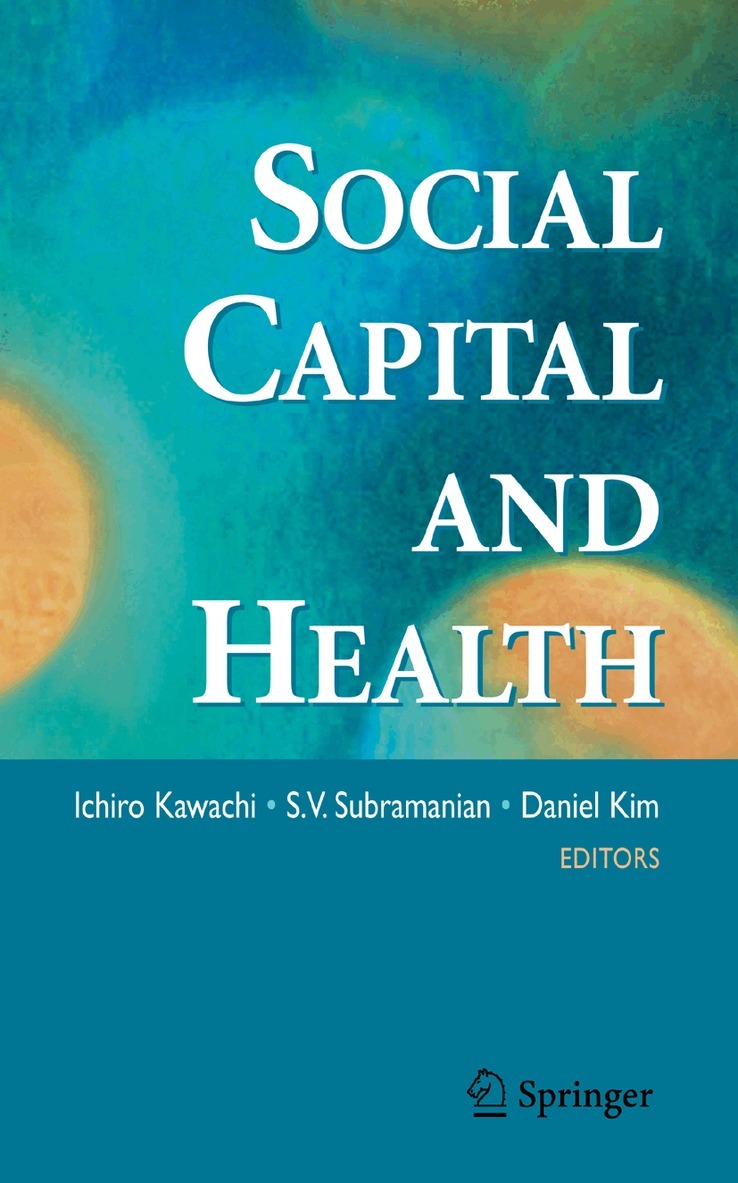
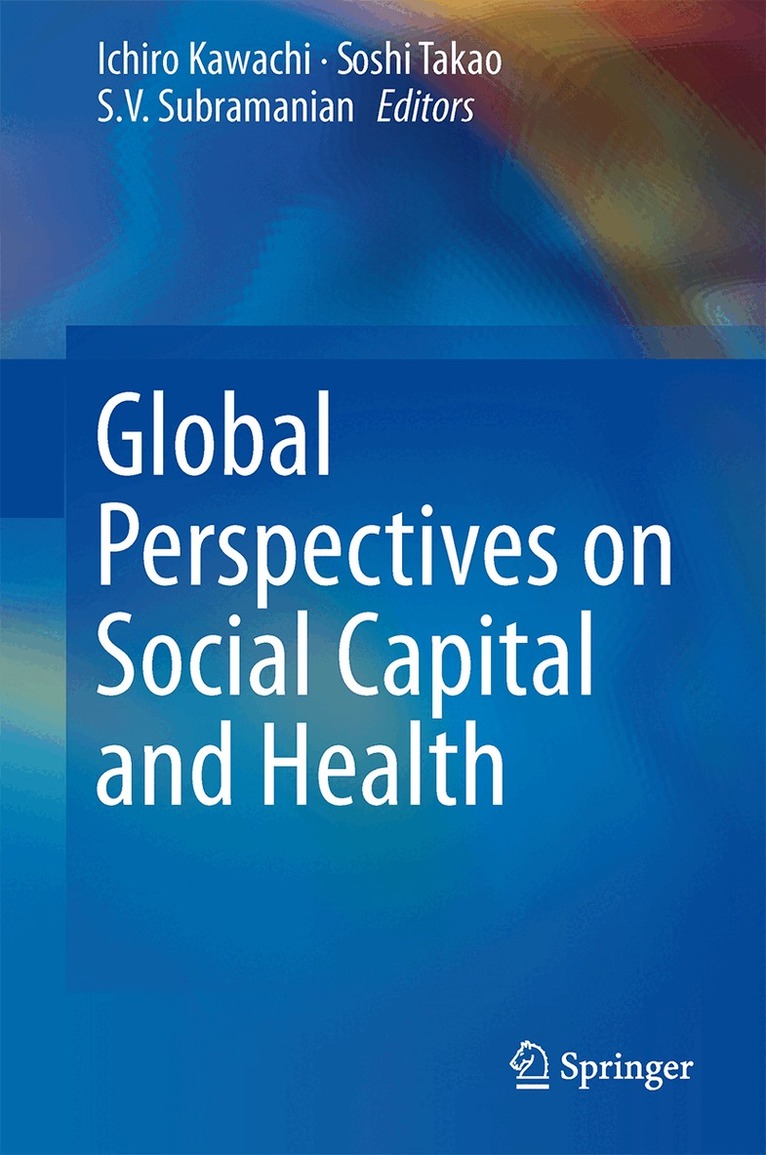
Social Capital and Health discusses social capital—a concept that originated in the social sciences—and its application to the field of public health. The editors take care to define the concept of social capital, describe its theoretical origins, and discuss the controversies and debates surrounding the use of the concept in public health research and practice. The book provides a comprehensive "tool kit" of current approaches to measure social capital. Further, the book surveys the empirical evidence linking social capital to physical and mental health outcomes, health-related behaviors (like smoking), and aging-related outcomes.
3 911 kr
Skickas inom 10-15 vardagar
981 kr
Läs direkt efter köp
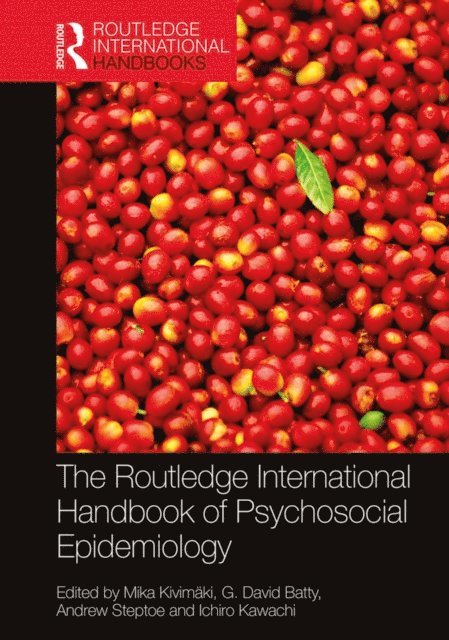
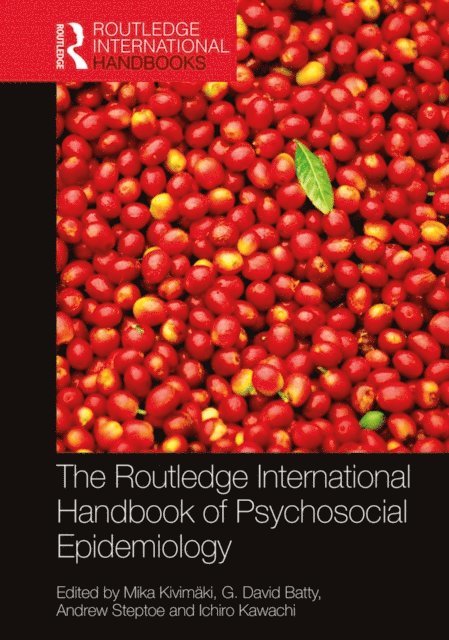
The health effects of psychosocial factors are a widely discussed and controversial topic. Do positive and negative emotions affect our risk of developing physical disease? Are depressive individuals more likely to have cancer than those with an optimistic outlook on life? And what is the role of IQ in staying healthy and recovering from disease? Importantly, can we improve our health and life expectancy by avoiding certain psychosocial risk factors and maximizing positive psychological well-being? These and other questions are the focus of psychosocial epidemiology, a discipline linking psychological, social and biological sciences.
The Routledge International Handbook of Psychosocial Epidemiology is the first book to map this growing discipline. Including contributions from many of the leading researchers in the field, it is divided into five sections:
Part I: Methodological challenges in studying psychosocial factors and health;
Part II: Psychosocial factors in the etiology and prognosis of chronic diseases;
Part III: Controversies in the psychosocial approach;
Part IV: Interventions and policy implications
Part V: Future research directions
Taking advantage of a huge growth in research in recent years, the book provides the reader with the essentials to evaluate the diverse set of studies on psychosocial factors and health that are published today, and describes study designs in this field of research, progress in judging the validity of epidemiological evidence, as well as challenges in translating evidence into action.
This is an important and timely book. Providing methodological rigour, critical analysis and the policy implications of this emerging field of study, The Routledge International Handbook of Psychosocial Epidemiology will be an invaluable resource for students and researchers within both behavioural and medical sciences, as well as policy makers and others working in health and social care.
1 015 kr
Skickas inom 10-15 vardagar
1 889 kr
Skickas inom 10-15 vardagar
1 948 kr
Läs direkt efter köp