171 kr
Skickas
171 kr
Skickas
697 kr
Läs direkt efter köp
171 kr
Skickas
457 kr
Skickas inom 7-10 vardagar
848 kr
Skickas inom 7-10 vardagar
266 kr
Skickas inom 7-10 vardagar
1 020 kr
Tillfälligt slut
149 kr
Skickas
335 kr
Skickas inom 3-6 vardagar
2 422 kr
Skickas inom 7-10 vardagar
471 kr
Skickas inom 3-6 vardagar
661 kr
Läs direkt efter köp
661 kr
Läs direkt efter köp
309 kr
Skickas inom 7-10 vardagar
888 kr
Skickas inom 7-10 vardagar
407 kr
Läs direkt efter köp
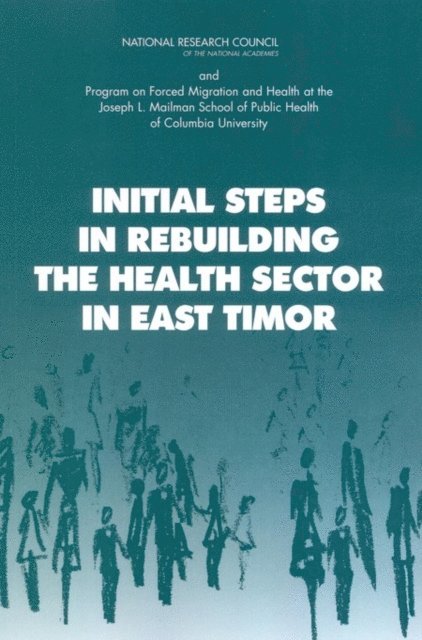
In May 2002 Timor Leste (East Timor) emerged as a new nation after centuries of foreign rule and decades of struggle for independence. Its birth was a painful one; a United Nations-brokered Popular Consultation in August 1999, in which an overwhelming majority of the people opted for independence, was followed by several weeks of vengeful violence, looting, and destruction by pro-Indonesia militias. It left the territory and all of its essential services devastated. In this context, the United Nations Transitional Administration in East Timor (UNTAET), with the country''s leaders and people and many other partners, set about restoring order and services, building a government structure, and preparing for independence. This paper summarizes the rehabilitation and development of the health sector from early 2000 to the end of 2001.
284 kr
Läs direkt efter köp
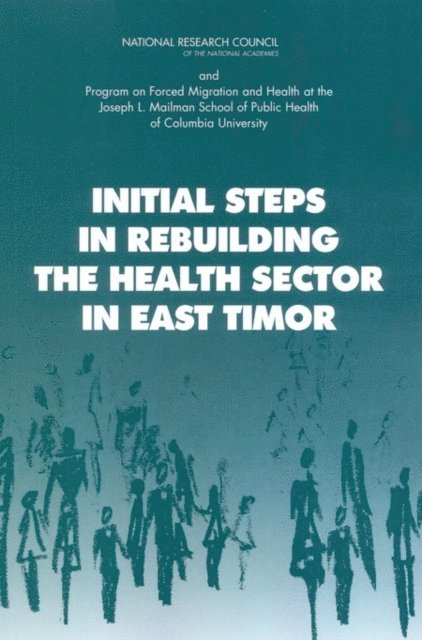
In May 2002 Timor Leste (East Timor) emerged as a new nation after centuries of foreign rule and decades of struggle for independence. Its birth was a painful one; a United Nations-brokered Popular Consultation in August 1999, in which an overwhelming majority of the people opted for independence, was followed by several weeks of vengeful violence, looting, and destruction by pro-Indonesia militias. It left the territory and all of its essential services devastated. In this context, the United Nations Transitional Administration in East Timor (UNTAET), with the country''s leaders and people and many other partners, set about restoring order and services, building a government structure, and preparing for independence. This paper summarizes the rehabilitation and development of the health sector from early 2000 to the end of 2001.
205 kr
Läs direkt efter köp
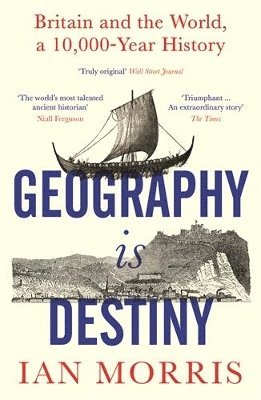
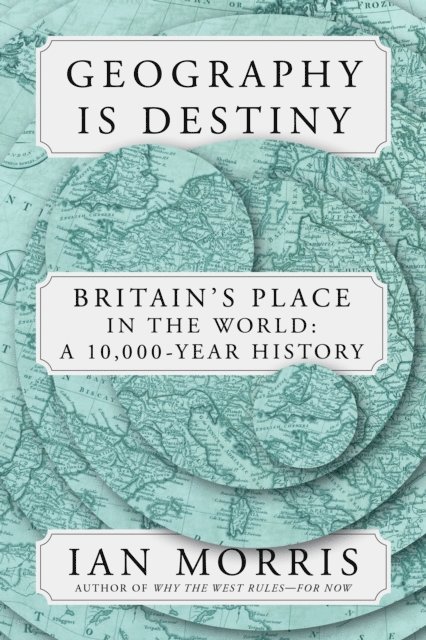
In the wake of Brexit, Ian Morris chronicles the ten-thousand-year history of Britain''s relationship to Europe as it has changed in the context of a globalizing world. When Britain voted to leave the European Union in 2016, the 48 percent who wanted to stay and the 52 percent who wanted to go each accused the other of stupidity, fraud, and treason. In reality, the Brexit debate merely reran a script written ten thousand years earlier, when the rising seas physically separated the British Isles from the European continent. Ever since, geography has been destiny—yet it is humans who get to decide what that destiny means.Ian Morris, the critically acclaimed author of Why the West Rules—for Now, describes how technology and organization have steadily enlarged Britain’s arena, and how its people have tried to turn this to their advantage. For the first seventy-five hundred years, the British were never more than bit players at the western edge of a European stage, struggling to find a role among bigger, richer, and more sophisticated continental rivals. By 1500 CE, however, new kinds of ships and governments had turned the European stage into an Atlantic one; with the English Channel now functioning as a barrier, England transformed the British Isles into a United Kingdom that created a worldwide empire. Since 1900, thanks to rapid globalization, Britain has been overshadowed by American, European, and—increasingly—Chinese actors. In trying to find its place in a global economy, Britain has been looking in all the wrong places. The ten-thousand-year story bracingly chronicled by Geography Is Destiny shows that the great question for the current century is not what to do about Brussels; it’s what to do about Beijing.
687 kr
Skickas inom 7-10 vardagar
636 kr
Skickas inom 7-10 vardagar
815 kr
Skickas inom 7-10 vardagar
3 875 kr
Skickas inom 7-10 vardagar
749 kr
Skickas inom 7-10 vardagar
377 kr
Kommande
238 kr
Skickas inom 7-10 vardagar
216 kr
Skickas inom 7-10 vardagar
350 kr
Skickas inom 7-10 vardagar
218 kr
Skickas inom 10-15 vardagar
949 kr
Skickas inom 7-10 vardagar
247 kr
Skickas inom 3-6 vardagar
In the wake of Brexit, Ian Morris chronicles the ten-thousand-year history of Britain's relationship to Europe as it has changed in the context of a globalizing world.When Britain voted to leave the European Union in 2016, the 48 percent who wanted to stay and the 52 percent who wanted to go each accused the other of stupidity, fraud, and treason. In reality, the Brexit debate merely reran a script written ten thousand years earlier, when the rising seas physically separated the British Isles from the European continent. Ever since, geography has been destiny—yet it is humans who get to decide what that destiny means.Ian Morris, the critically acclaimed author of Why the West Rules—for Now, describes how technology and organization have steadily enlarged Britain’s arena, and how its people have tried to turn this to their advantage. For the first seventy-five hundred years, the British were never more than bit players at the western edge of a European stage, struggling to find a role among bigger, richer, and more sophisticated continental rivals. By 1500 CE, however, new kinds of ships and governments had turned the European stage into an Atlantic one; with the English Channel now functioning as a barrier, England transformed the British Isles into a United Kingdom that created a worldwide empire. Since 1900, thanks to rapid globalization, Britain has been overshadowed by American, European, and—increasingly—Chinese actors. In trying to find its place in a global economy, Britain has been looking in all the wrong places. The ten-thousand-year story bracingly chronicled by Geography Is Destiny shows that the great question for the current century is not what to do about Brussels; it’s what to do about Beijing.