319 kr
319 kr
1 921 kr
Skickas inom 7-10 vardagar
554 kr
Läs direkt efter köp
2 673 kr
Skickas inom 7-10 vardagar
764 kr
Skickas inom 7-10 vardagar
1 095 kr
Skickas inom 10-15 vardagar
725 kr
Skickas inom 10-15 vardagar
3 219 kr
Skickas inom 7-10 vardagar
382 kr
Skickas inom 7-10 vardagar
1 929 kr
Skickas inom 3-6 vardagar
375 kr
Skickas inom 10-15 vardagar
302 kr
Skickas inom 7-10 vardagar
292 kr
Läs direkt efter köp
294 kr
Läs direkt efter köp
1 018 kr
Skickas inom 7-10 vardagar
2 526 kr
Skickas inom 10-15 vardagar
774 kr
Läs direkt efter köp
549 kr
Skickas inom 10-15 vardagar
1 585 kr
Läs direkt efter köp
1 123 kr
Skickas inom 10-15 vardagar
849 kr
Läs direkt efter köp
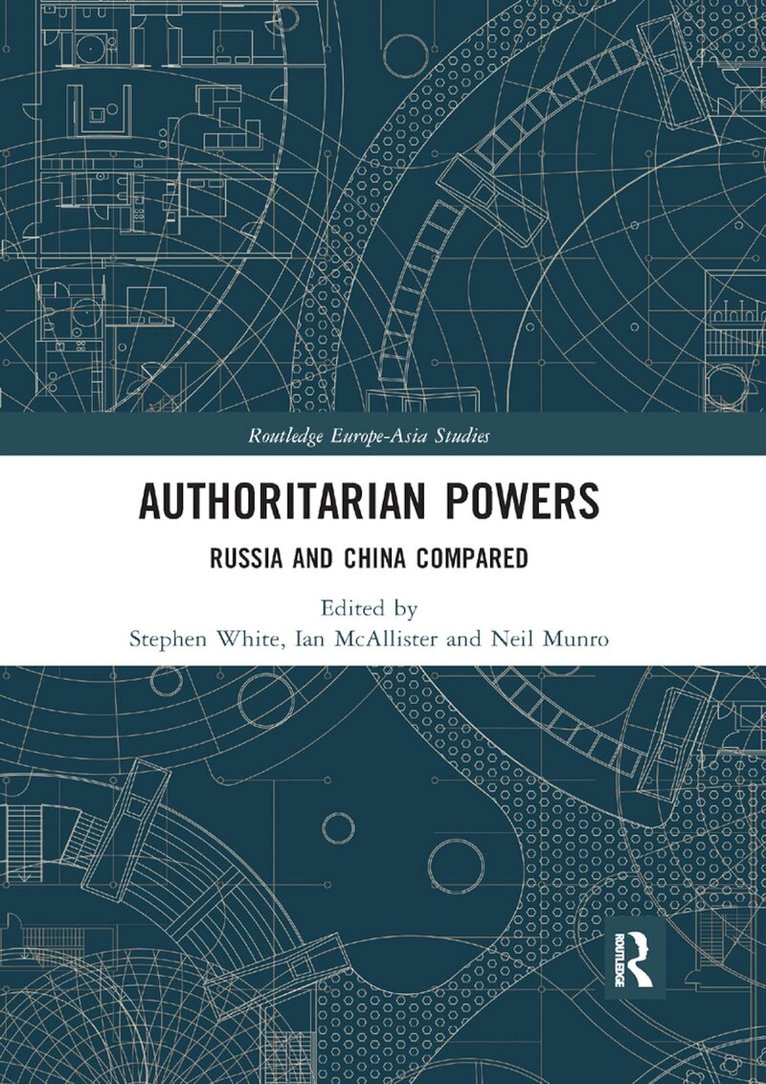
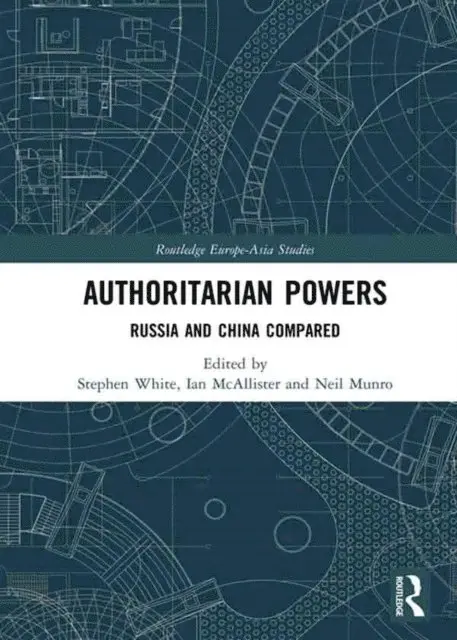
The statistics detailing the socioeconomic growth of Russia and China are impressive. On some projections, China will be the world’s largest economy by 2050, and Russia will be the sixth largest. Yet despite this impressive record of economic growth, a striking feature of both countries is the inegalitarian nature of their development – notwithstanding the (post)communist legacy. On most conventional measures, the two countries are now among the most unequal in the world, and the level of inequality has increased significantly since the 1990s. What effect does this endemic economic inequality have on political stability? From Aristotle onwards, observers have concluded that the greater the inequality within a society, the greater the likelihood of instability. This book addresses the relationship between economic inequality and political stability in Russia and China. Several chapters examine how economic performance has driven institutional reform, while others evaluate long term trends in public opinion to see how economic change has affected the public’s views of politics. The conclusion is that both regimes have proved adept at adapting to rising inequality by managing the policy agenda, guiding public opinion and co-opting or repressing political opposition. The chapters in this book originally published as a special issue in Europe-Asia Studies.
323 kr
Skickas inom 3-6 vardagar
168 kr
Läs direkt efter köp
252 kr
Skickas inom 3-6 vardagar
303 kr
Läs direkt efter köp
1 230 kr
Skickas inom 3-6 vardagar
294 kr
Läs direkt efter köp
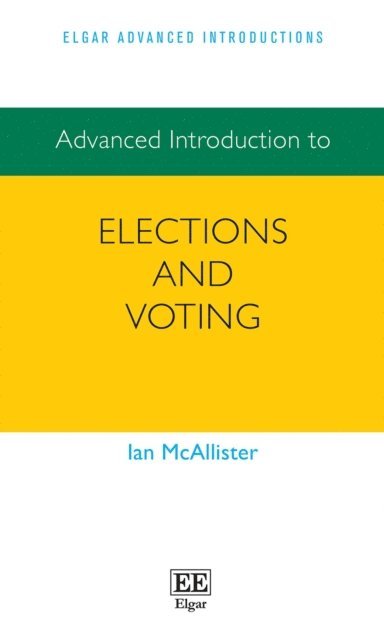
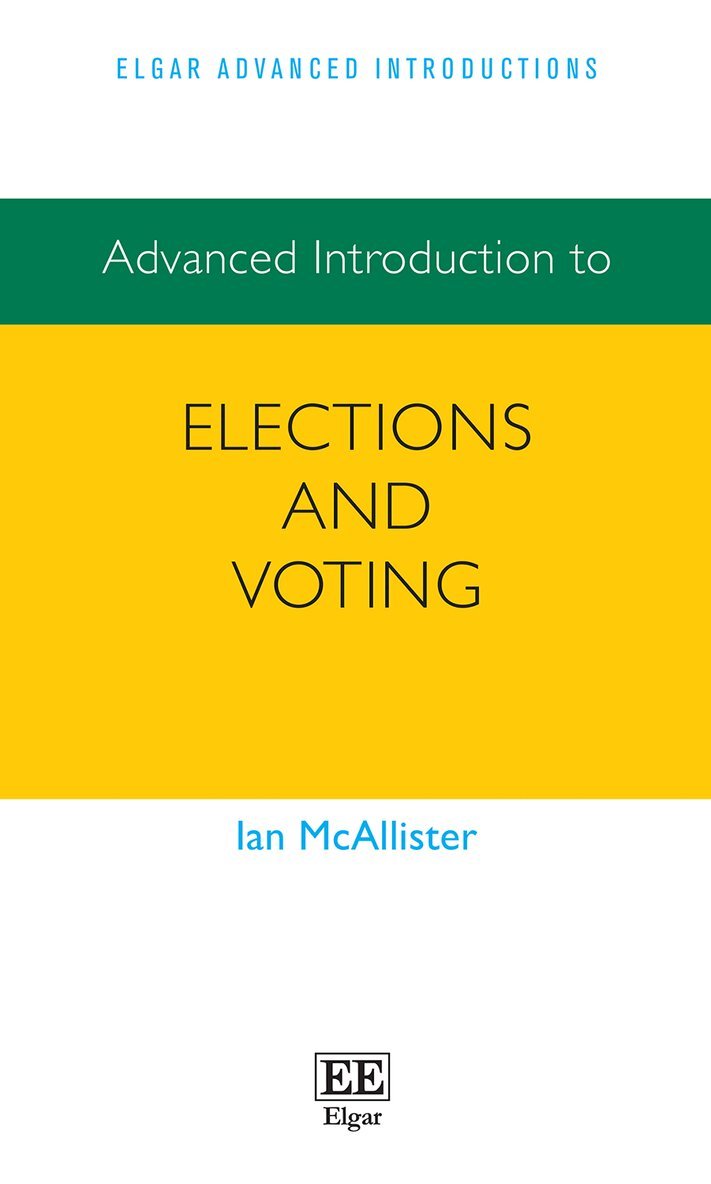
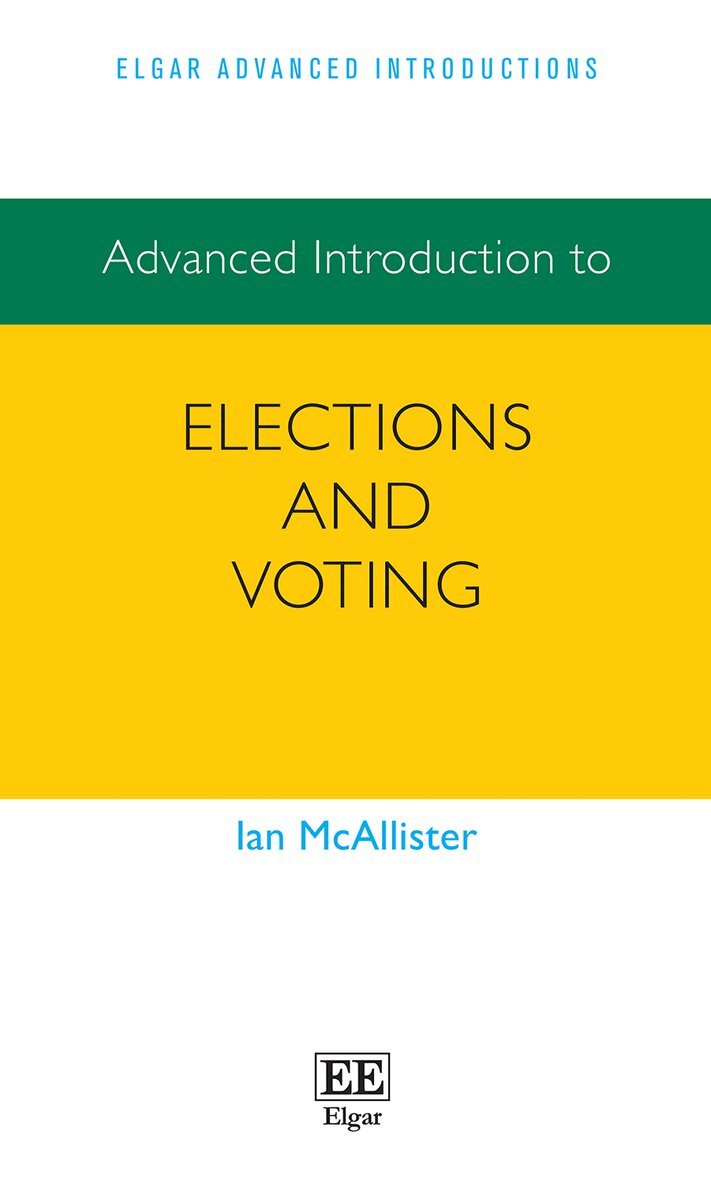
Tackling the complex issues surrounding what shapes a person’s vote, this cutting-edge Advanced Introduction analyses the main findings in current research on electoral behavior to provide a comprehensive understanding of electoral choice.
Key Features:
Treats the voting decision as the cumulation of a lifetime of learningStudies global voting examples, from Europe and the Anglo-American democracies to newly democratic statesPlaces the act of voting in context to cover all dimensions of the voting decision, examining the causes of an individual''s vote and how that interacts with the design of the country''s institutionsConsiders the ideological effects of short-term factors like issues and leaders which dominate election campaigns, and long-term factors like social backgrounds, looking at how class and economic interests can influence votersAnalysing the incentives behind party loyalties and political participation, this Advanced Introduction will be an invaluable guide for students and scholars interested in political and electoral behavior and comparative politics.
373 kr
Skickas inom 7-10 vardagar
1 530 kr
Skickas inom 10-15 vardagar