129 kr
Skickas
129 kr
Skickas
168 kr
Skickas inom 7-10 vardagar
129 kr
Skickas
219 kr
Skickas
444 kr
Skickas inom 7-10 vardagar
142 kr
Skickas
129 kr
Skickas
129 kr
Skickas
136 kr
Skickas
168 kr
Skickas inom 7-10 vardagar
129 kr
Skickas
146 kr
Skickas inom 7-10 vardagar
146 kr
Skickas inom 7-10 vardagar
148 kr
Skickas inom 7-10 vardagar
129 kr
Skickas
145 kr
Skickas inom 7-10 vardagar
167 kr
Skickas inom 7-10 vardagar
282 kr
Skickas
338 kr
Läs direkt efter köp
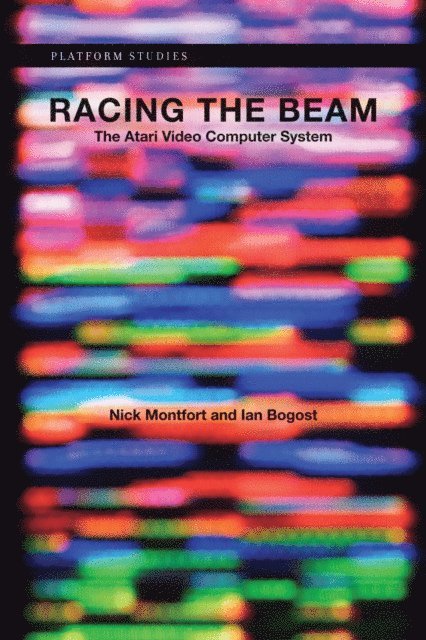
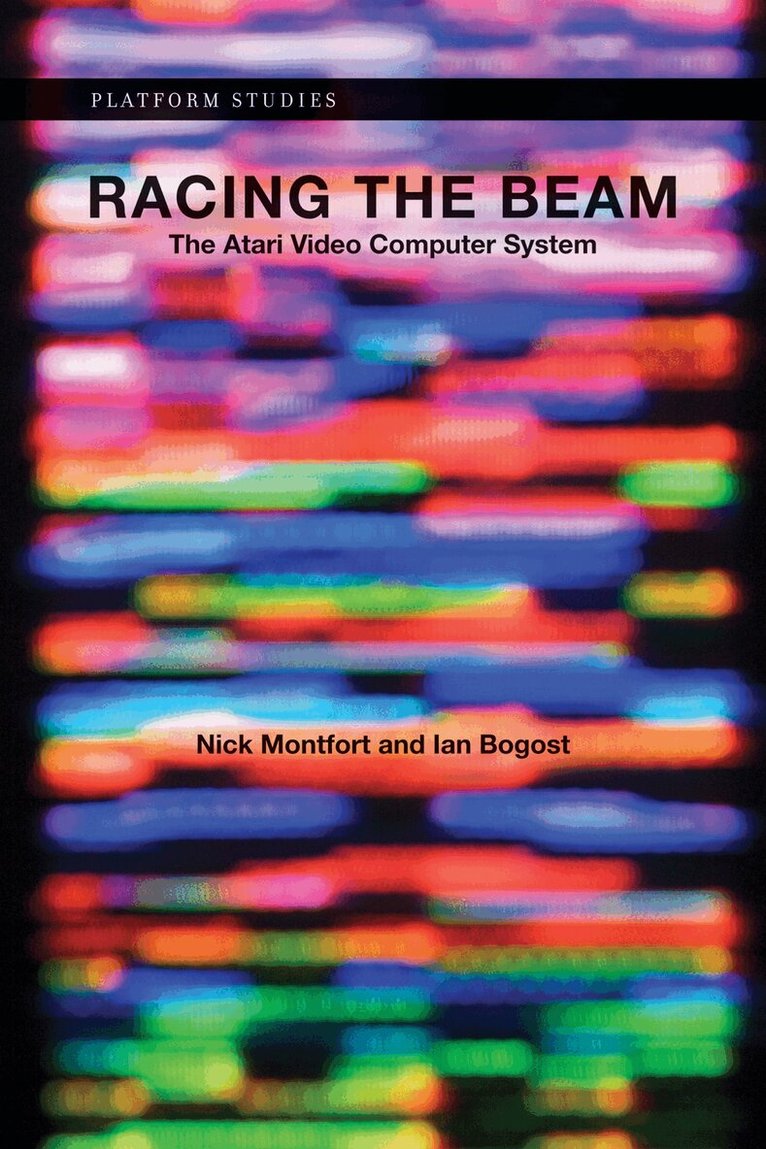
A study of the relationship between platform and creative expression in the Atari VCS.
The Atari Video Computer System dominated the home video game market so completely that “Atari” became the generic term for a video game console. The Atari VCS was affordable and offered the flexibility of changeable cartridges. Nearly a thousand of these were created, the most significant of which established new techniques, mechanics, and even entire genres. This book offers a detailed and accessible study of this influential video game console from both computational and cultural perspectives.
Studies of digital media have rarely investigated platforms—the systems underlying computing. This book (the first in a series of Platform Studies) does so, developing a critical approach that examines the relationship between platforms and creative expression. Nick Montfort and Ian Bogost discuss the Atari VCS itself and examine in detail six game cartridges: Combat, Adventure, Pac-Man, Yars'' Revenge, Pitfall!, and Star Wars: The Empire Strikes Back. They describe the technical constraints and affordances of the system and track developments in programming, gameplay, interface, and aesthetics. Adventure, for example, was the first game to represent a virtual space larger than the screen (anticipating the boundless virtual spaces of such later games as World of Warcraft and Grand Theft Auto), by allowing the player to walk off one side into another space; and Star Wars: The Empire Strikes Back was an early instance of interaction between media properties and video games. Montfort and Bogost show that the Atari VCS—often considered merely a retro fetish object—is an essential part of the history of video games.
492 kr
Läs direkt efter köp
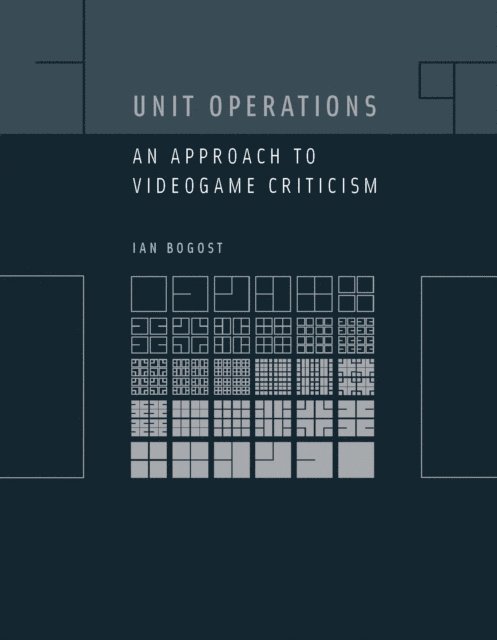
In Unit Operations, Ian Bogost argues that similar principles underlie both literary theory and computation, proposing a literary-technical theory that can be used to analyze particular videogames. Moreover, this approach can be applied beyond videogames: Bogost suggests that any medium—from videogames to poetry, literature, cinema, or art—can be read as a configurative system of discrete, interlocking units of meaning, and he illustrates this method of analysis with examples from all these fields. The marriage of literary theory and information technology, he argues, will help humanists take technology more seriously and hep technologists better understand software and videogames as cultural artifacts. This approach is especially useful for the comparative analysis of digital and nondigital artifacts and allows scholars from other fields who are interested in studying videogames to avoid the esoteric isolation of "game studies."
The richness of Bogost''s comparative approach can be seen in his discussions of works by such philosophers and theorists as Plato, Badiou, Zizek, and McLuhan, and in his analysis of numerous videogames including Pong, Half-Life, and Star Wars Galaxies. Bogost draws on object technology and complex adaptive systems theory for his method of unit analysis, underscoring the configurative aspects of a wide variety of human processes. His extended analysis of freedom in large virtual spaces examines Grand Theft Auto 3, The Legend of Zelda, Flaubert''s Madame Bovary, and Joyce''s Ulysses. In Unit Operations, Bogost not only offers a new methodology for videogame criticism but argues for the possibility of real collaboration between the humanities and information technology.
519 kr
Läs direkt efter köp
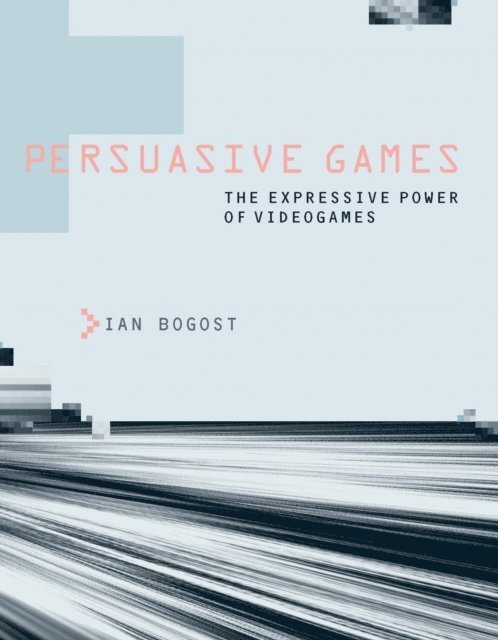
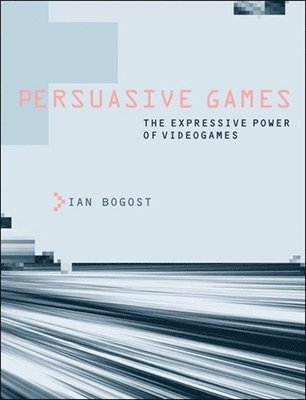
An exploration of the way videogames mount arguments and make expressive statements about the world that analyzes their unique persuasive power in terms of their computational properties.
Videogames are an expressive medium, and a persuasive medium; they represent how real and imagined systems work, and they invite players to interact with those systems and form judgments about them. In this innovative analysis, Ian Bogost examines the way videogames mount arguments and influence players. Drawing on the 2,500-year history of rhetoric, the study of persuasive expression, Bogost analyzes rhetoric''s unique function in software in general and videogames in particular. The field of media studies already analyzes visual rhetoric, the art of using imagery and visual representation persuasively. Bogost argues that videogames, thanks to their basic representational mode of procedurality (rule-based representations and interactions), open a new domain for persuasion; they realize a new form of rhetoric. Bogost calls this new form "procedural rhetoric," a type of rhetoric tied to the core affordances of computers: running processes and executing rule-based symbolic manipulation. He argues further that videogames have a unique persuasive power that goes beyond other forms of computational persuasion. Not only can videogames support existing social and cultural positions, but they can also disrupt and change these positions themselves, leading to potentially significant long-term social change. Bogost looks at three areas in which videogame persuasion has already taken form and shows considerable potential: politics, advertising, and learning.
246 kr
Läs direkt efter köp
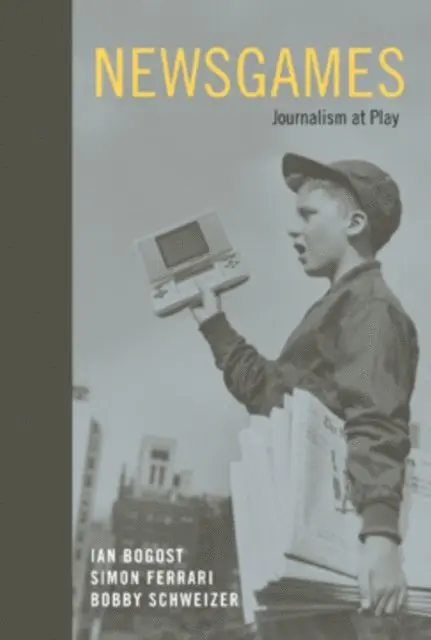
How videogames offer a new way to do journalism.
Journalism has embraced digital media in its struggle to survive. But most online journalism just translates existing practices to the Web: stories are written and edited as they are for print; video and audio features are produced as they would be for television and radio. The authors of Newsgames propose a new way of doing good journalism: videogames.
Videogames are native to computers rather than a digitized form of prior media. Games simulate how things work by constructing interactive models; journalism as game involves more than just revisiting old forms of news production. Wired magazine''s game Cutthroat Capitalism, for example, explains the economics of Somali piracy by putting the player in command of a pirate ship, offering choices for hostage negotiation strategies.
Videogames do not offer a panacea for the ills of contemporary news organizations. But if the industry embraces them as a viable method of doing journalism—not just an occasional treat for online readers—newsgames can make a valuable contribution.
593 kr
Skickas inom 7-10 vardagar
592 kr
Skickas inom 7-10 vardagar
322 kr
Skickas inom 7-10 vardagar
204 kr
Skickas inom 7-10 vardagar
234 kr
Skickas
218 kr
Skickas inom 7-10 vardagar
134 kr
Skickas inom 7-10 vardagar
128 kr
Skickas