1 328 kr
Skickas inom 7-10 vardagar
1 328 kr
Skickas inom 7-10 vardagar
175 kr
Skickas inom 7-10 vardagar
822 kr
Läs direkt efter köp
1 493 kr
Skickas inom 7-10 vardagar
1 953 kr
Läs direkt efter köp
1 456 kr
Skickas inom 10-15 vardagar
266 kr
Skickas inom 3-6 vardagar
357 kr
Skickas inom 7-10 vardagar
3 929 kr
Skickas inom 10-15 vardagar
1 244 kr
Skickas inom 10-15 vardagar
2 526 kr
Skickas inom 10-15 vardagar
827 kr
Skickas inom 10-15 vardagar
1 425 kr
Skickas inom 7-10 vardagar
271 kr
Skickas inom 7-10 vardagar
2 836 kr
Skickas inom 10-15 vardagar
682 kr
Skickas inom 7-10 vardagar
970 kr
Läs direkt efter köp
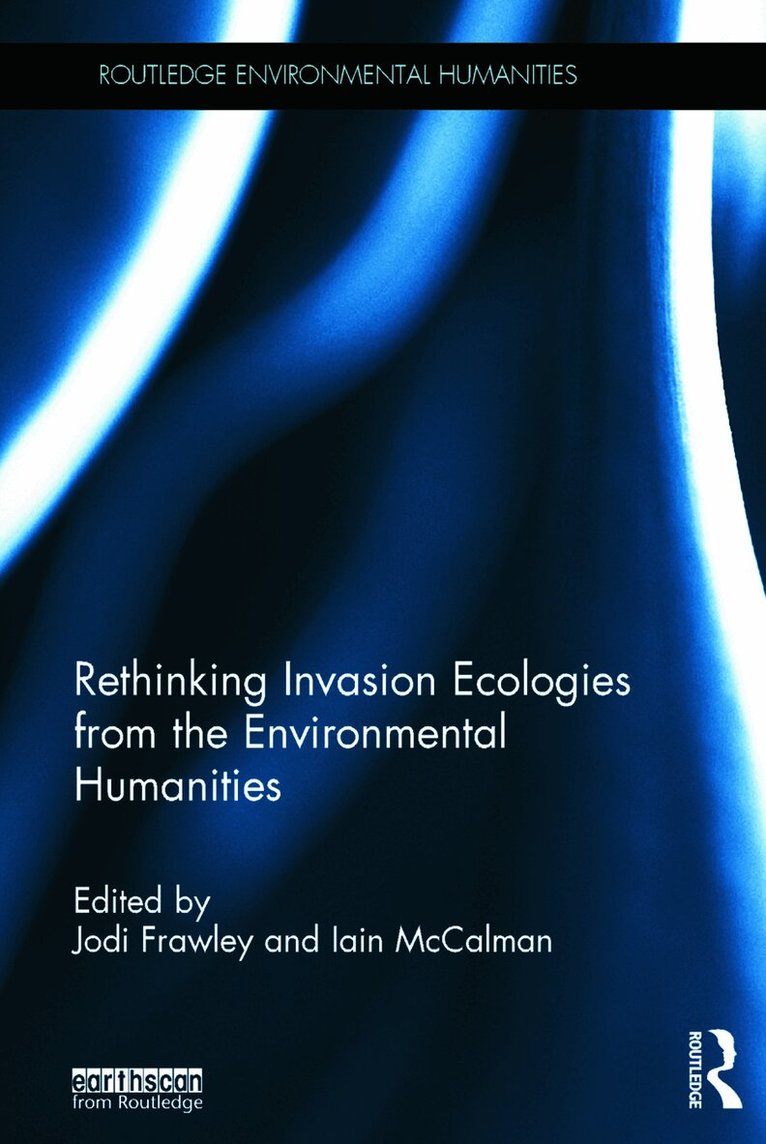
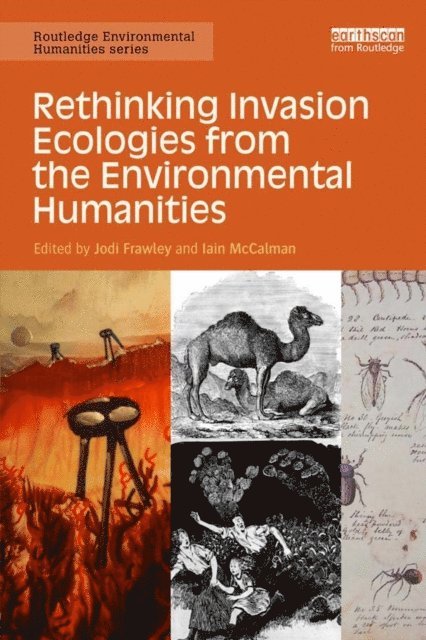
Research from a humanist perspective has much to offer in interrogating the social and cultural ramifications of invasion ecologies. The impossibility of securing national boundaries against accidental transfer and the unpredictable climatic changes of our time have introduced new dimensions and hazards to this old issue. Written by a team of international scholars, this book allows us to rethink the impact on national, regional or local ecologies of the deliberate or accidental introduction of foreign species, plant and animal. Modern environmental approaches that treat nature with naïve realism or mobilize it as a moral absolute, unaware or unwilling to accept that it is informed by specific cultural and temporal values, are doomed to fail. Instead, this book shows that we need to understand the complex interactions of ecologies and societies in the past, present and future over the Anthropocene, in order to address problems of the global environmental crisis. It demonstrates how humanistic methods and disciplines can be used to bring fresh clarity and perspective on this long vexed aspect of environmental thought and practice.
Students and researchers in environmental studies, invasion ecology, conservation biology, environmental ethics, environmental history and environmental policy will welcome this major contribution to environmental humanities.
939 kr
Läs direkt efter köp
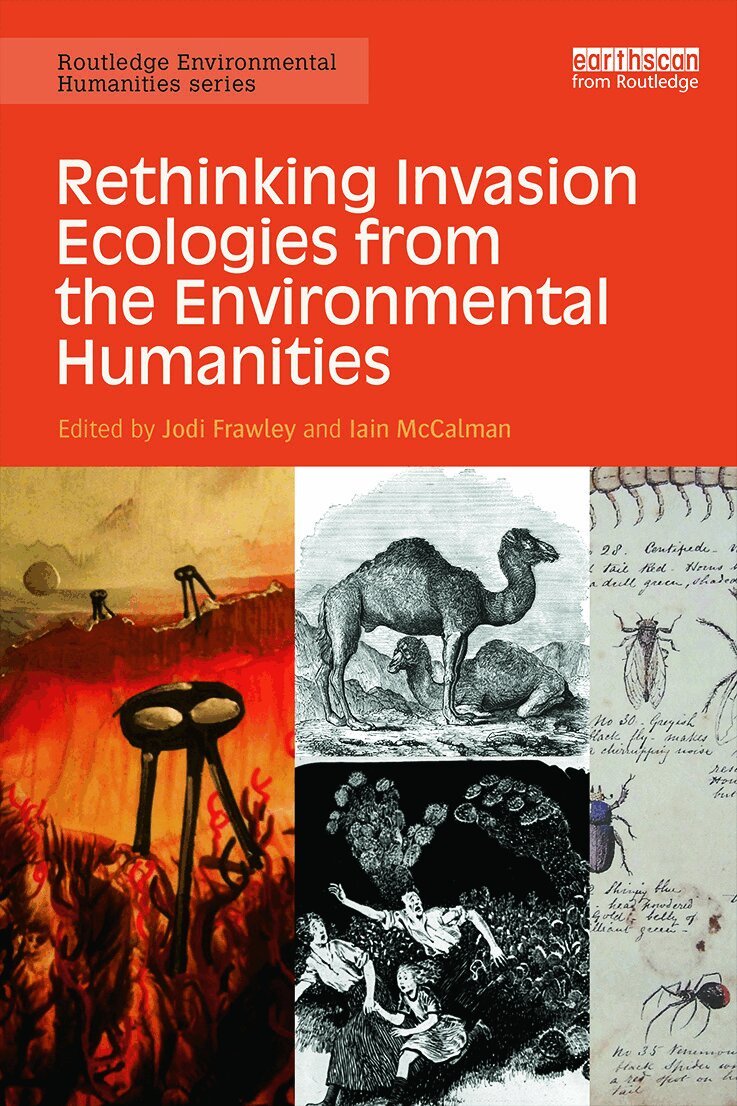
Research from a humanist perspective has much to offer in interrogating the social and cultural ramifications of invasion ecologies. The impossibility of securing national boundaries against accidental transfer and the unpredictable climatic changes of our time have introduced new dimensions and hazards to this old issue. Written by a team of international scholars, this book allows us to rethink the impact on national, regional or local ecologies of the deliberate or accidental introduction of foreign species, plant and animal. Modern environmental approaches that treat nature with naïve realism or mobilize it as a moral absolute, unaware or unwilling to accept that it is informed by specific cultural and temporal values, are doomed to fail. Instead, this book shows that we need to understand the complex interactions of ecologies and societies in the past, present and future over the Anthropocene, in order to address problems of the global environmental crisis. It demonstrates how humanistic methods and disciplines can be used to bring fresh clarity and perspective on this long vexed aspect of environmental thought and practice.
Students and researchers in environmental studies, invasion ecology, conservation biology, environmental ethics, environmental history and environmental policy will welcome this major contribution to environmental humanities.
1 457 kr
Skickas inom 10-15 vardagar
3 559 kr
Läs direkt efter köp
195 kr
Läs direkt efter köp
305 kr
Skickas inom 7-10 vardagar
338 kr
Skickas inom 7-10 vardagar
251 kr
Lyssna direkt efter köp
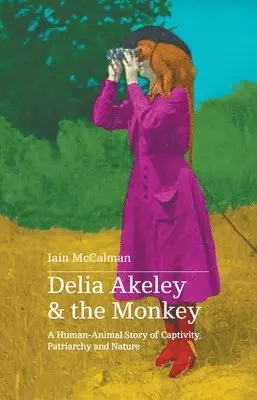
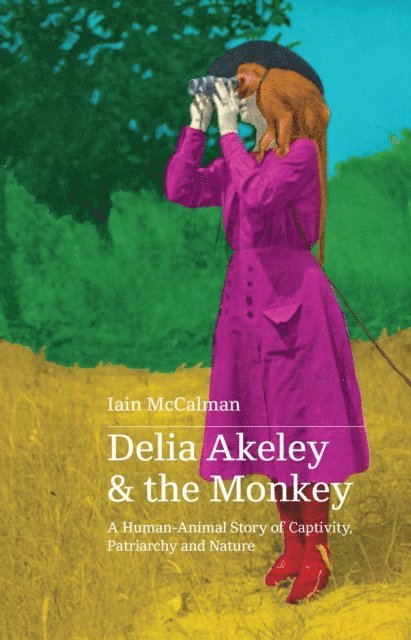
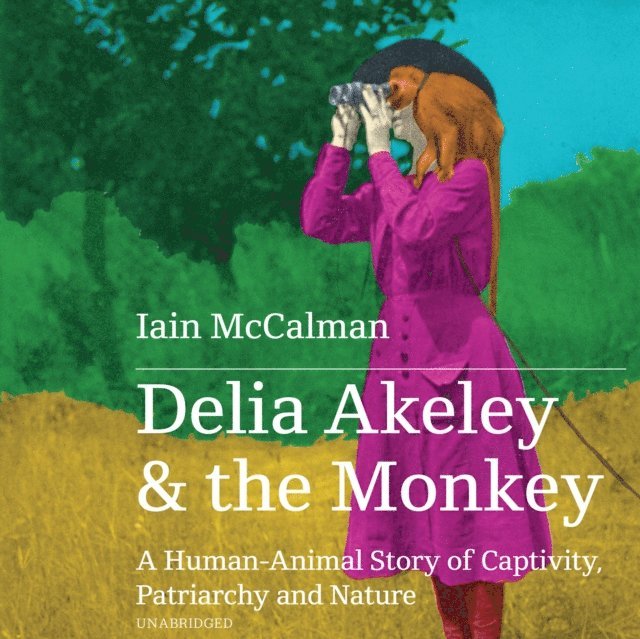
On an East African hunting expedition in 1909, Delia Akeley, a forty-year-old American woman, casually captured a baby female monkey, never dreaming this act would overturn both their lives. Delia’s life was isolated and often lonely in an overpoweringly masculine world. She decided to name the monkey JT Jr and study her interactions with humans; a long-frustrated desire to adopt a child led her to also lose her heart to this lovable animal.
This relationship with a feisty, intelligent Vervet unlocked Delia’s latent talents of research and observation, anticipating both Jane Goodall’s chimpanzee writings and Margaret Mead’s Samoan ethnographies. It illuminates much about human-animal relations and the tyranny of gender inequality by reinstating an obscured story of a dedicated amateur primatologist.
Iain McCalman uses records, official and informal, to build a story of passionate love and hate among women, men, animals, and museums that predates our times but speaks to our present.