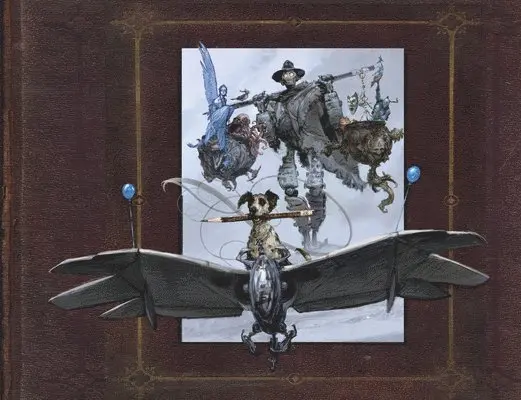
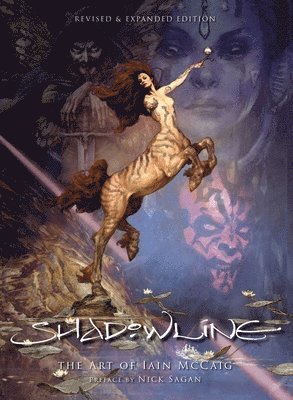
"What is Shadowline? It is the place where things meet: light and shadows, hope and despair, good and evil. It is, to me, the most interesting place to hunt for stories." So begins this stunningly realized and beautifully rendered retrospective showcasing work from master storyteller and artist Iain McCaig. Shadowline presents a stunning portfolio of more than two decades of McCaig's masterful concept designs and storyboards, cover art and illustrations, as well as his private sketchbooks and personal paintings, all woven together within the confines of an engrossing, otherworldly journey to his creative realm: Shadowline. . ●ICONIC CHARACTERS: Discover visionary designs for Queen Amidala, Darth Maul, and other beloved characters across film and pop culture●PRIVATE SKETCHBOOKS: More than a retrospective of McCaig’s film work, Shadowline contains dozens of images from the artist’s personal archive ●LEARN TO DRAW: Features instruction in how to draw and make art
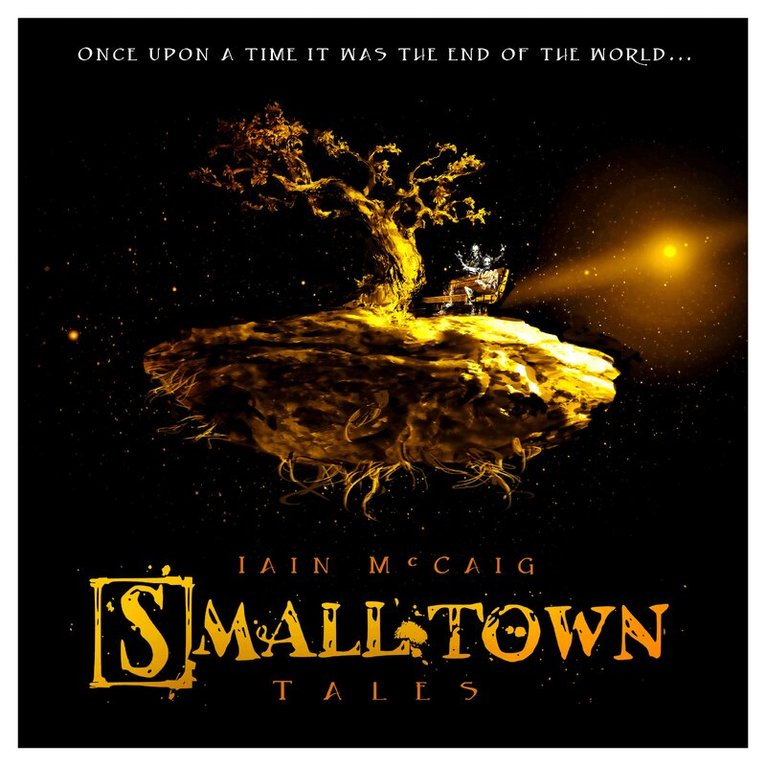
A beautifully illustrated book of ghost stories, written and illustrated by film artist and screenwriter Iain McCaig, depicting daily life in Smalltown, where Lake Wobegon meets Norman Rockwell, with monsters.Smalltown is a special place. Think of it as Lake Wobegon or Norman Rockwell, with monsters. These 12 illustrated short stories are introductions to the people and creatures who live thereThe ghosts Frightwood and Po—who we discover on a petrified park bench floating on a rock through space—are our guides. Meet the Smalltown vampire, the Sirens in the Sound, hear how the Bell-Ringer finds an apprentice and Albert Moon falls in love and discover the story of the First War of The Worlds.Written and illustrated by renowned American artist, author and film maker Iain McCaig, creator of the iconic designs for Darth Maul and Queen Amidala for the Star Wars franchise, and who has worked on many successful films, such as Harry Potter and the Goblet of Fire, Guardians of the Galaxy, Avengers: Infinity War, and Avengers: Endgame, this is a beguiling, quirky collection that will delight and captivate.
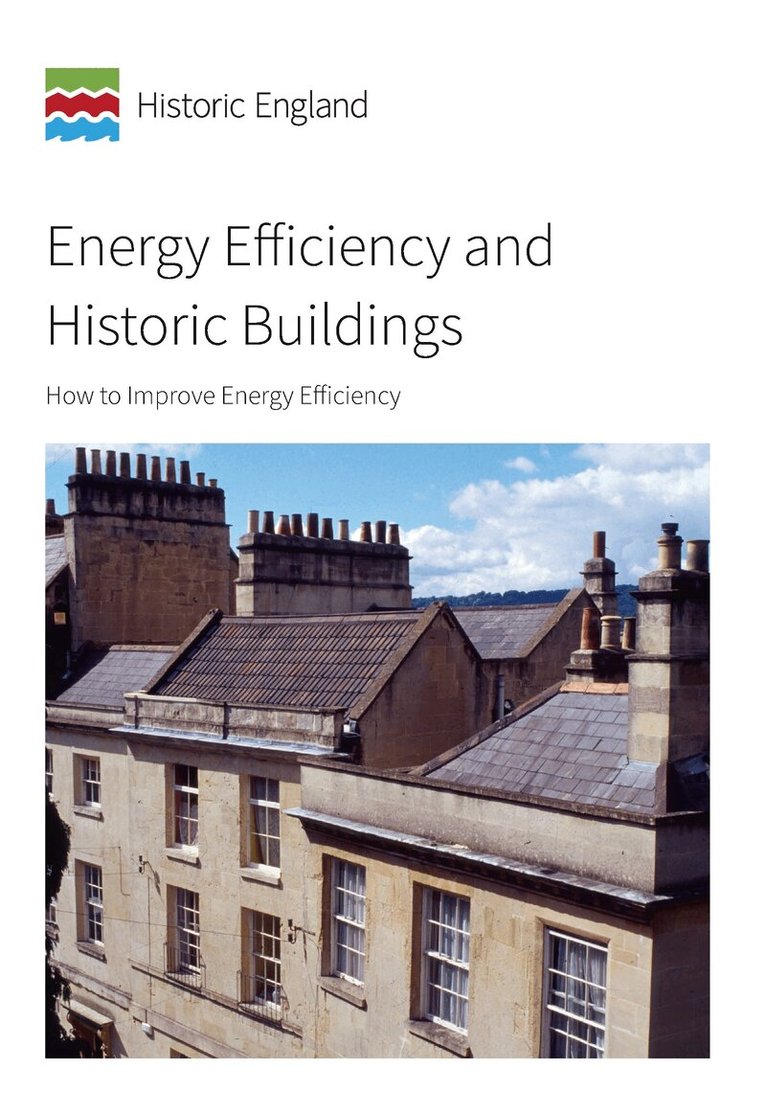
This guidance is for anyone who wishes to improve energy efficiency in an historic building. There are many reasons to do this. Improving energy efficiency will lower carbon emissions and fuel bills and often increase comfort. It also might be necessary to ensure that a building complies with legal requirements. More broadly, improving energy efficiency forms a part of the wider objective to achieve a sustainable environment.It is a widely held view that older buildings are not energy-efficient, and must be radically upgraded in order to improve their performance. In reality, the situation is more complicated, and assumptions about poor performance are not always justified. Even so, the energy and carbon performance of most historic buildings can be improved, which will help them remain viable and useful, now and in the future. But striking the right balance between benefit and harm is not easy. The unintended consequences of getting energy efficiency measures wrong (or doing them badly) include: harm to heritage values and significance, harm to human health and building fabric, and failure to achieve the predicted savings or reductions in environmental impact.Getting the balance right (and avoiding unintended consequences) is best done with a holistic approach that uses an understanding of a building, its context, its significance, and all the factors affecting energy use as the starting point for devising an energy-efficiency strategy. This ‘whole building approach’ ensures that energy-efficiency measures are suitable, robust, well integrated, properly coordinated and sustainable. In addition, this approach provides an effective framework for communication and understanding between the various parties involved in the process. These include assessors, designers, installers and the people who occupy and manage the building.A logical and systematic process of energy planning underpins the ‘whole building approach’. This guidance describes the key stages of the process, illuminating any problems that might occur and providing solutions. It also includes checklists of practical measures that might be considered, along with links to sources of more detailed information about how to install these measures.