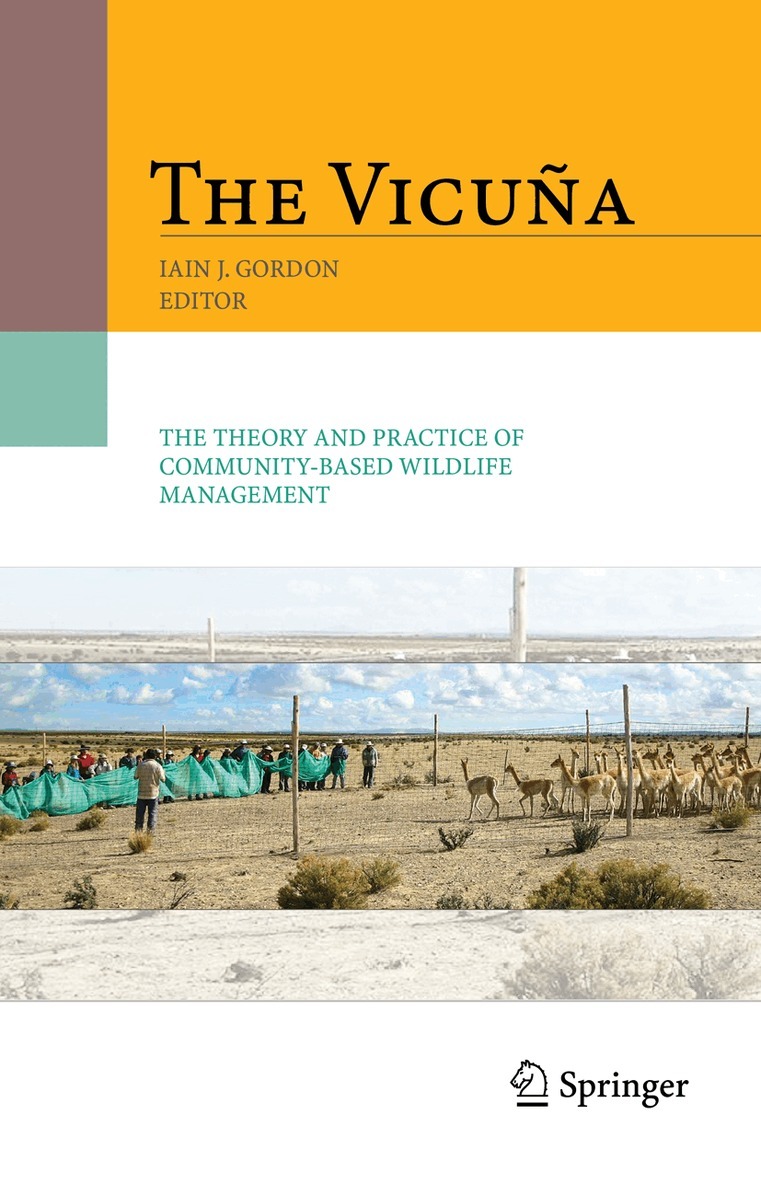
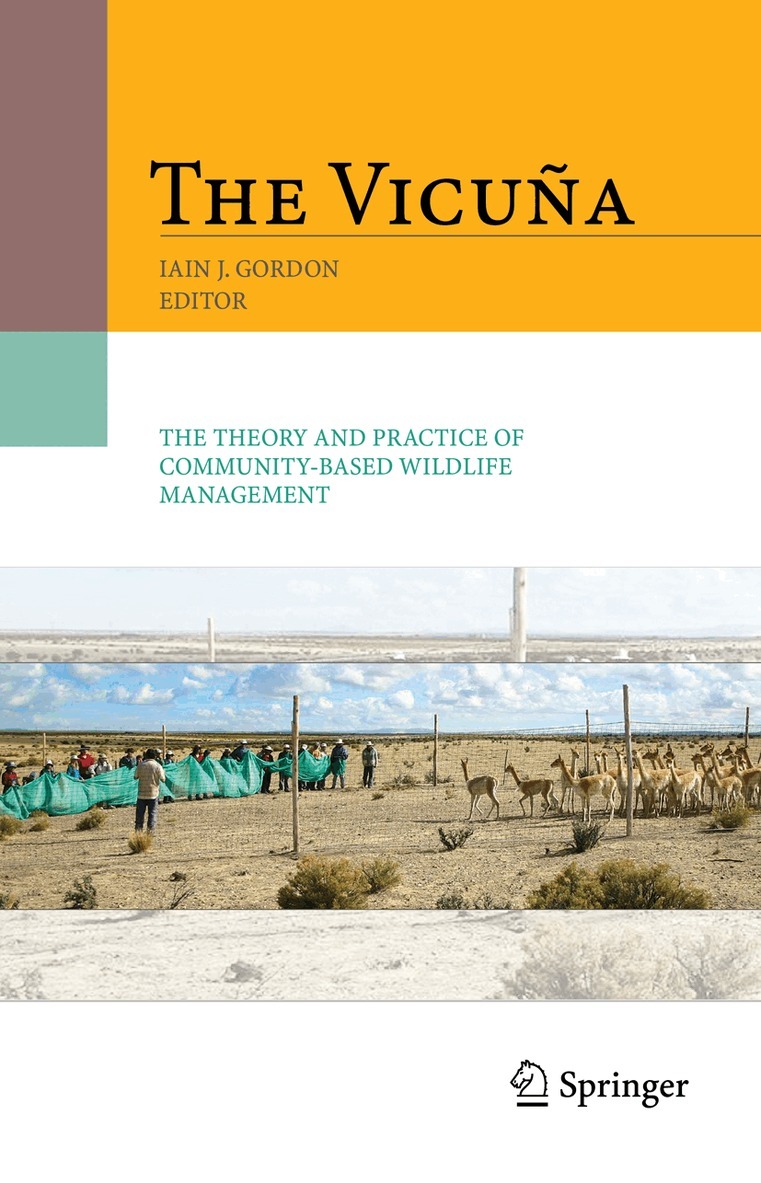
Things have changed. In 1969 when the Convention for the Conservation of the Vicuña was drafted, in an attempt to save the vicuña from its tumbling decline towards extinction, both the science and the philosophy of wildlife conservation were radically different. It is thus a tribute to the prescience of those involved at the time that the rescue plan had, even through the harsh lens of hindsight, a d- tinctly Twenty First Century flavour. After all, it was predicated on the expectation that if vicuña could be saved, they would one day become a valued asset, generating revenue for the human communities that fostered their survival. Embodied in this aspiration are the main structures of modern biodiversity conservation – not only is it to be underpinned by science, but that science should be of both the natural and the social genres, woven into inter-disciplinarity, and thereby taking heed of e- nomics, governance, ownership and the like, alongside biology. In addition, it should include, as a major strut, the human dimension, taking account of the affected constituencies with their varied stakes in alternative outcomes. This c- temporary framework for thinking about biodiversity conservation is inseparable from such wider, and inherently political, notions as community-based conser- tion and ultimately sustainable use.
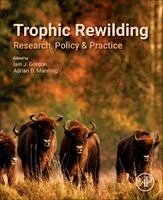
Trophic Rewilding: Research, Policy and Practice provides a unique, up-to-date resource for environmental professionals seeking the latest guidance on ecosystem restoration and rewilding. Written and edited by a global team of experts, the book highlights the evidence for trophic interactions that form the basis of rewilding efforts. It demonstrates the importance of such evidence in the development of policy and ground management. Early chapters discuss the scientific, regulatory, economic, and ethical background of trophic rewilding, while latter chapters describe approaches to trophic rewilding in diverse settings and delve into successes and lessons learned from global case studies. With the biodiversity crisis continuing unabated, there are growing calls for new approaches to species and ecosystem recovery in landscapes that have been impacted by human activities. Trophic rewilding is one such approach whereby species reintroductions are used to engender top-down ecological processes and trophic cascades to promote self-regulating biodiverse ecosystems. This book provides the latest updates on the topics presented and is an indispensable resource for researchers, policymakers, and practitioners in rewilding projects and programs, as well as undergraduate and postgraduate students interested in environmental restoration and management.Summarizes evidence on trophic rewilding science, policy, and practiceDefines trophic rewilding and discusses its importance for species conservationDelivers advice to policymakers and practitioners about trophic rewildingHighlights the importance of evidence in support of conservation decision-making
Things have changed. In 1969 when the Convention for the Conservation of the Vicuña was drafted, in an attempt to save the vicuña from its tumbling decline towards extinction, both the science and the philosophy of wildlife conservation were radically different. It is thus a tribute to the prescience of those involved at the time that the rescue plan had, even through the harsh lens of hindsight, a d- tinctly Twenty First Century flavour. After all, it was predicated on the expectation that if vicuña could be saved, they would one day become a valued asset, generating revenue for the human communities that fostered their survival. Embodied in this aspiration are the main structures of modern biodiversity conservation – not only is it to be underpinned by science, but that science should be of both the natural and the social genres, woven into inter-disciplinarity, and thereby taking heed of e- nomics, governance, ownership and the like, alongside biology. In addition, it should include, as a major strut, the human dimension, taking account of the affected constituencies with their varied stakes in alternative outcomes. This c- temporary framework for thinking about biodiversity conservation is inseparable from such wider, and inherently political, notions as community-based conser- tion and ultimately sustainable use.
A meticulously researched biography of a young officer in the early part of the 19th Century. The son of an admiral, Richard Purvis went to sea in Nelson's Navy at the age of 11 before being commissioned at the age of 15 into the Bengal Army, part of the great East India Company. He went on to serve 17 years in India before returning to become a country parson.The emphasis of this book is on his Indian military service, with the story told largely through an extensive collection of previously unpublished contemporary letters. These give a unique and intimate insight into the daily lives, difficulties, ethos and humour of young British officers in India during the Napoleonic period. There was, of course, danger and action too and Purvis's role in the Nepal War is described. Patronage was also a feature of a young ambitious man's life during the Georgian period and the workings of this are fascinatingly revealed.
Admiral John Child Purvis was a contemporary naval officer of Nelson, who never disobeyed an order and did his job well. His ability as a fighting commander was proved in a bloody duel between his sloop-of-war and a French corvette during the War of American Independence. As a battleship Captain, he was the first British officer to confront Napoleon Bonaparte, muzzle to muzzle, during the Siege of Toulon. Commanding the Princess Royal and then the London, he was involved in much action in the Mediterranean and served under the legendary Sir John Jervis (later Lord St. Vincent).Later, as a Flag Officer, he rejoined the Mediterranean Fleet first as second-in-command and then as Commander-in-Chief. The culmination of his long and distinguished career at sea was saving the Spanish fleet in Cadiz from capture by the French and preparing the city for siege.
On 21st March 1918, 29th and 3rd Casualty Clearing Stations RAMC were encamped at Grévillers, just behind the front line, when Germany launched its final, massive offensive. These Field Hospitals were the lifeline to the rear for the unabated deluge of wounded which soon overwhelmed both units; all wards were full and operating theatres were working round the clock to deal with the endless queues for amputations and major surgery. In the words of Major-General von Bertele in his foreword: ‘that casualty care should be managed on such a scale and at such a pace leaves the reader open mouthed.’ Lifeline is a touching record of the care provided by an often exhausted but dedicated medical and nursing staff and the bravery and spirit of their patients as the hospitals, always under intense pressure, moved back and forth with the changing positions of the line during the last months of the war.