1 739 kr
Skickas inom 10-15 vardagar
1 739 kr
Skickas inom 10-15 vardagar
740 kr
Skickas inom 10-15 vardagar
156 kr
Skickas inom 7-10 vardagar
615 kr
Läs direkt efter köp
870 kr
Läs direkt efter köp
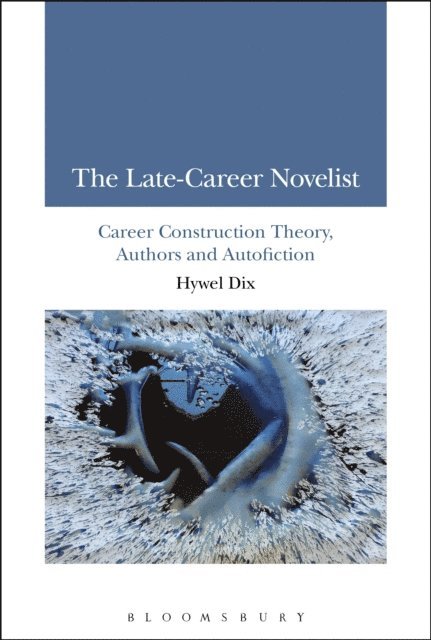
This volume applies the insight and methods of career construction theory to explore how autobiographical writing is used in different professional careers, from fiction and journalism to education and medicine. It draws attention to the fact that a career is a particular kind of artefact with distinctive properties and features that can be analysed and compared, and puts forward a new theory of the relationship between narrative methodology and the vocation of writing.
Career construction theory emerged in the late twentieth century, when changes to the patterns of our working lives caused large numbers of people to seek new forms of vocational guidance to navigate those changes. It employs a narrative paradigm in which periods of uncertainty are treated as experiences akin to ‘writer’s block’, experiences which can be overcome first by imagining new character arcs, then by narrating them and finally by performing them. By encouraging clients to see their careers as stories of which they are both the metaphorical authors and the main protagonists, career construction counsellors enable them to envisage the next chapter in those stories. But despite the authorial metaphor, career construction theory has not been widely applied to analysis of professional careers in writing. The chapters in this volume remedy that gap and in various ways apply the insights of career construction theory to analyse the relationship between writing and professional life in diverse careers where writing is used.
The chapters in this book were originally published in the journal Life Writing.
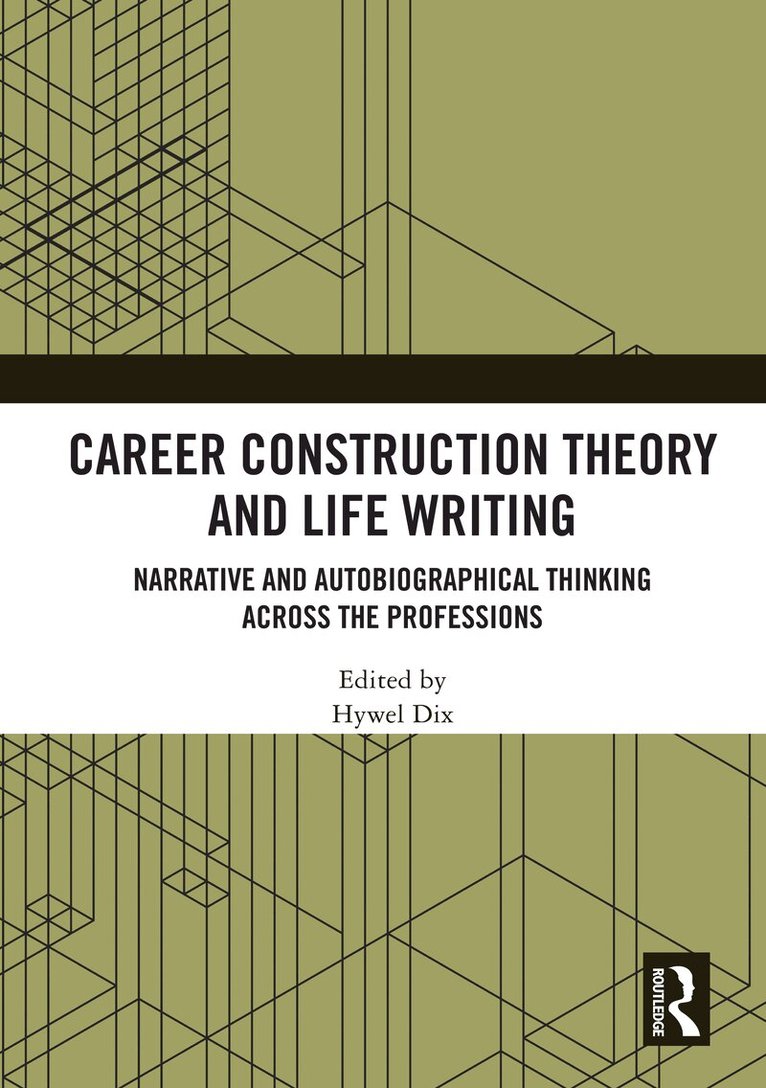
857 kr
Läs direkt efter köp
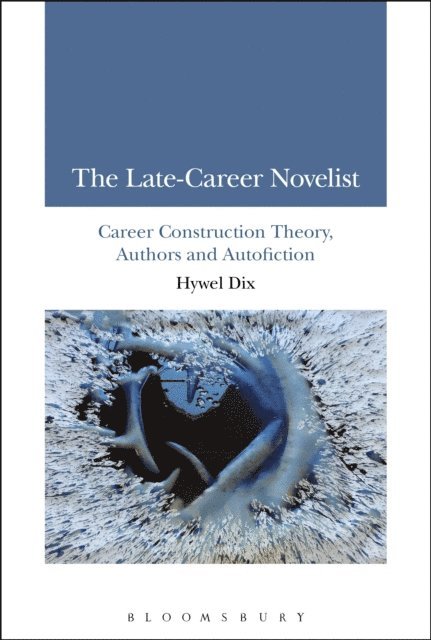
This volume applies the insight and methods of career construction theory to explore how autobiographical writing is used in different professional careers, from fiction and journalism to education and medicine. It draws attention to the fact that a career is a particular kind of artefact with distinctive properties and features that can be analysed and compared, and puts forward a new theory of the relationship between narrative methodology and the vocation of writing.
Career construction theory emerged in the late twentieth century, when changes to the patterns of our working lives caused large numbers of people to seek new forms of vocational guidance to navigate those changes. It employs a narrative paradigm in which periods of uncertainty are treated as experiences akin to ‘writer’s block’, experiences which can be overcome first by imagining new character arcs, then by narrating them and finally by performing them. By encouraging clients to see their careers as stories of which they are both the metaphorical authors and the main protagonists, career construction counsellors enable them to envisage the next chapter in those stories. But despite the authorial metaphor, career construction theory has not been widely applied to analysis of professional careers in writing. The chapters in this volume remedy that gap and in various ways apply the insights of career construction theory to analyse the relationship between writing and professional life in diverse careers where writing is used.
The chapters in this book were originally published in the journal Life Writing.

438 kr
Läs direkt efter köp
Autofiction and Cultural Memory breaks new ground in autofiction research by showing how it gives postcolonial writers a means of bearing witness to past cultural or political struggles, and hence of contributing to new forms of cultural memory.
Most discussion of autofiction has treated it as an individualistic form, dealing with the personal growth of its authors. In doing so, it privileges narratives of private development over those of social commitment and accords with Western concepts of ownership and authorship. By contrast, Hywel Dix shows how a variety of writers outside the Western world have used the techniques of autofiction in a different way, placing themselves on the side lines of their own stories to show solidarity with struggles against imperialism and tyranny.
Drawing on examples from Algeria, Ethiopia, the Caribbean, the Americas, India and Turkey, Dix presents autofiction as a form which combines the life stories of authors with the collective struggles of their societies to restore to view historical injustices that have been marginalised and forgotten. By contributing to new forms of cultural memory, autofiction raises important questions about what we choose to remember and what we value in the present. This book will be of interest to anyone working in postcolonial studies, world literature, trauma studies, autobiography, life writing or social justice.
1 148 kr
Skickas inom 10-15 vardagar
377 kr
Skickas inom 10-15 vardagar
2 285 kr
Skickas inom 10-15 vardagar
2 509 kr
Läs direkt efter köp
2 455 kr
Läs direkt efter köp
694 kr
Läs direkt efter köp
645 kr
Skickas inom 10-15 vardagar
684 kr
Läs direkt efter köp
175 kr
Läs direkt efter köp
389 kr
Skickas
Welsh, Scottish, English and Northern Irish Writing and Brexit in Comparative Contexts
439 kr
Läs direkt efter köp
439 kr
Läs direkt efter köp
210 kr
Skickas inom 11-20 vardagar
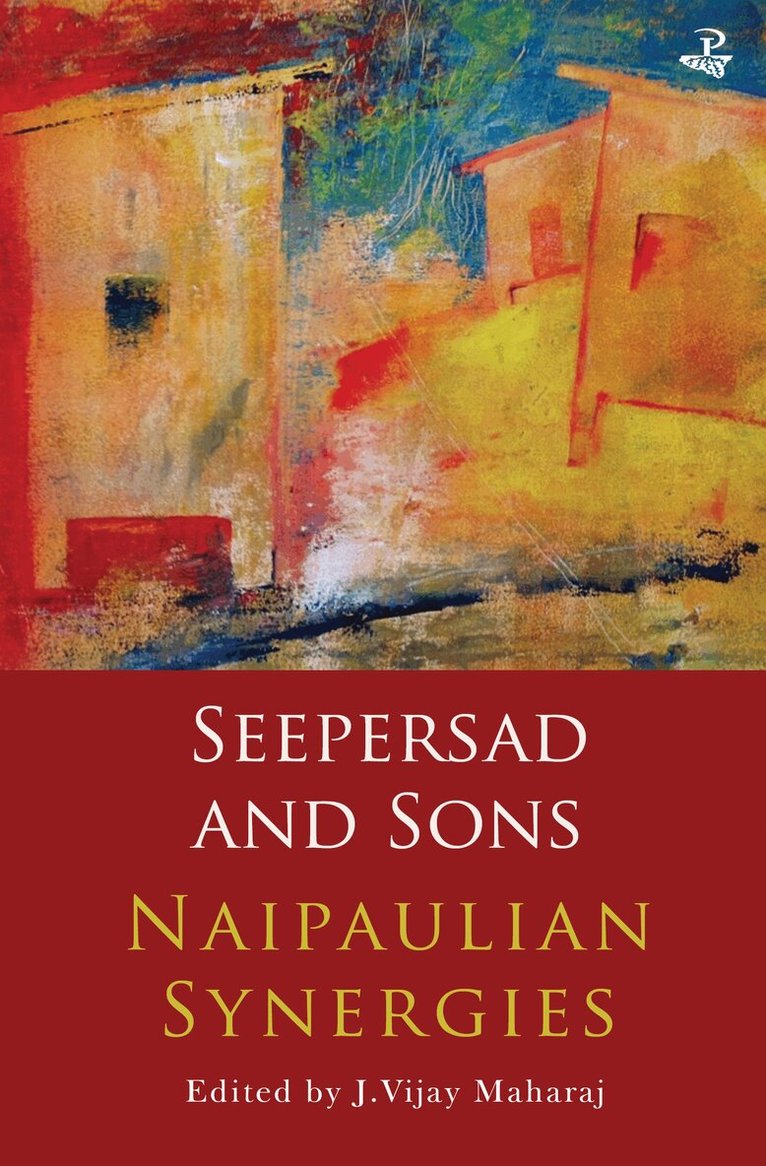
This book, based on a conference organised by The Friends of Mr Biswas, explores the writing careers of Seepersad Naipaul and his two sons, Vidia and Shiva, and conveys the importance of the Naipauls and their literary heritage to the wider society.
Contributors include: Kenneth Ramchand, Vijay Maharaj, Bhoendradatt Tewarie, Nicholas Laugh
2 285 kr
Skickas inom 10-15 vardagar
1 792 kr
Skickas inom 10-15 vardagar
1 437 kr
Skickas inom 10-15 vardagar
1 912 kr
Läs direkt efter köp
1 792 kr
Skickas inom 10-15 vardagar
2 262 kr
Läs direkt efter köp
Starting out by exploring the characteristic features and definitions of autofiction from a conceptual standpoint, the collection identifies a number of cultural, historical and theoretical contexts in which the emergence of autofiction in English can be understood. In the process, it identifies what is new and distinctive about Anglophone forms of autofiction when compared to its French equivalents. These include a preoccupation with the conditions of authorship; writing after trauma; and a heightened degree of authorial self-reflexivity beyond that typically associated with postmodernism.
By concluding that there is such a field as autofiction in English, it provides for the first time detailed analysis of the major works in that field and a concise historical overview of its emergence. It thus opens up new avenues in life writing and authorship research.