3 319 kr
Skickas inom 7-10 vardagar
3 319 kr
Skickas inom 7-10 vardagar
479 kr
Skickas inom 7-10 vardagar
563 kr
Skickas inom 7-10 vardagar
651 kr
Skickas inom 10-15 vardagar
2 526 kr
Skickas inom 10-15 vardagar
2 526 kr
Skickas inom 10-15 vardagar
845 kr
Skickas
525 kr
Skickas inom 7-10 vardagar
2 497 kr
Skickas inom 10-15 vardagar
727 kr
Läs direkt efter köp
744 kr
Läs direkt efter köp
727 kr
Läs direkt efter köp
712 kr
Läs direkt efter köp
746 kr
Läs direkt efter köp
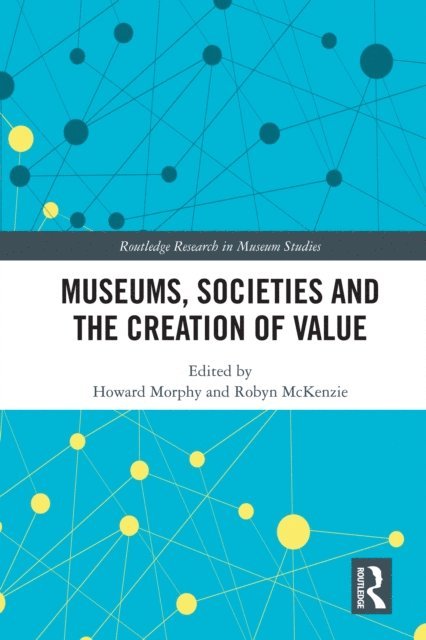
Museums, Societies and the Creation of Value focuses on the ways in which museums and the use of their collections have contributed to, and continue to be engaged with, value creation processes.
Including chapters from many of the leading figures in museum anthropology, as well as from outstanding early-career researchers, this volume presents a diverse range of international case studies that bridge the gap between theory and practice. It demonstrates that ethnographic collections and the museums that hold and curate them have played a central role in the value creation processes that have changed attitudes to cultural differences. The essays engage richly with many of the important issues of contemporary museum discourse and practice. They show how collections exist at the ever-changing point of articulation between the source communities and the people and cultures of the museum and challenge presentist critiques of museums that position them as locked into the time that they emerged.
Museums, Societies and the Creation of Value provides examples of the productive outcomes of collaborative work and relationships, showing how they can be mutually beneficial. The book will be of great interest to researchers and students engaged in the study of museums and heritage, anthropology, culture, Indigenous peoples, postcolonialism, history and sociology. It will also be of interest to museum professionals.
762 kr
Läs direkt efter köp
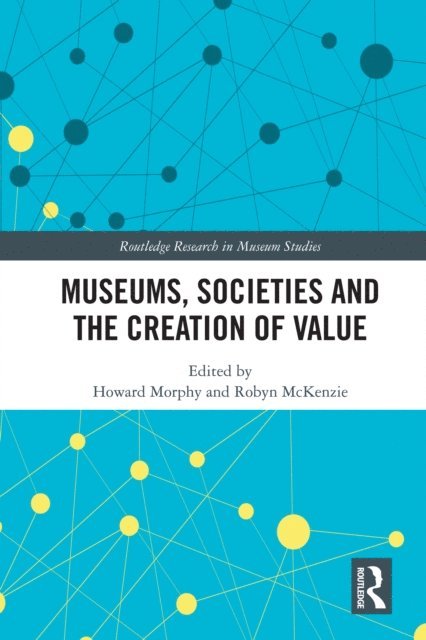
Museums, Societies and the Creation of Value focuses on the ways in which museums and the use of their collections have contributed to, and continue to be engaged with, value creation processes.
Including chapters from many of the leading figures in museum anthropology, as well as from outstanding early-career researchers, this volume presents a diverse range of international case studies that bridge the gap between theory and practice. It demonstrates that ethnographic collections and the museums that hold and curate them have played a central role in the value creation processes that have changed attitudes to cultural differences. The essays engage richly with many of the important issues of contemporary museum discourse and practice. They show how collections exist at the ever-changing point of articulation between the source communities and the people and cultures of the museum and challenge presentist critiques of museums that position them as locked into the time that they emerged.
Museums, Societies and the Creation of Value provides examples of the productive outcomes of collaborative work and relationships, showing how they can be mutually beneficial. The book will be of great interest to researchers and students engaged in the study of museums and heritage, anthropology, culture, Indigenous peoples, postcolonialism, history and sociology. It will also be of interest to museum professionals.
370 kr
Skickas inom 10-15 vardagar
871 kr
Skickas inom 10-15 vardagar
768 kr
Skickas inom 10-15 vardagar
3 129 kr
Skickas inom 10-15 vardagar
869 kr
Skickas inom 10-15 vardagar
1 034 kr
Läs direkt efter köp
This book is one of a series of volumes resulting from the World Archaeological Congress, September 1986 which addressed world archaeology in its widest sense, investigating how people lived in the past and how and why changes took place to result in the forms of society and culture which exist now. The series brought together archaeologists and anthropologists from many parts of the world, academics from contingent disciplines, and also non-academics from a wide range of cultural backgrounds who could lend their own expertise to the discussions. This book is an exploration of the way in which the animal world features in the works of art of a variety of cultures of different times and places. Contributors have adopted a variety of perspectives for looking at the complex ways in which past and present humans have interrelated with beings they classify as animals. Some of the approaches are predominantly economic and ecological, some are symbolic and others philosophical or theological. All these different views are included in the interpretation of the artworks of the past, revealing some of the foci and inspirations of cultural attitudes to animals. Originally published 1989.
433 kr
Läs direkt efter köp
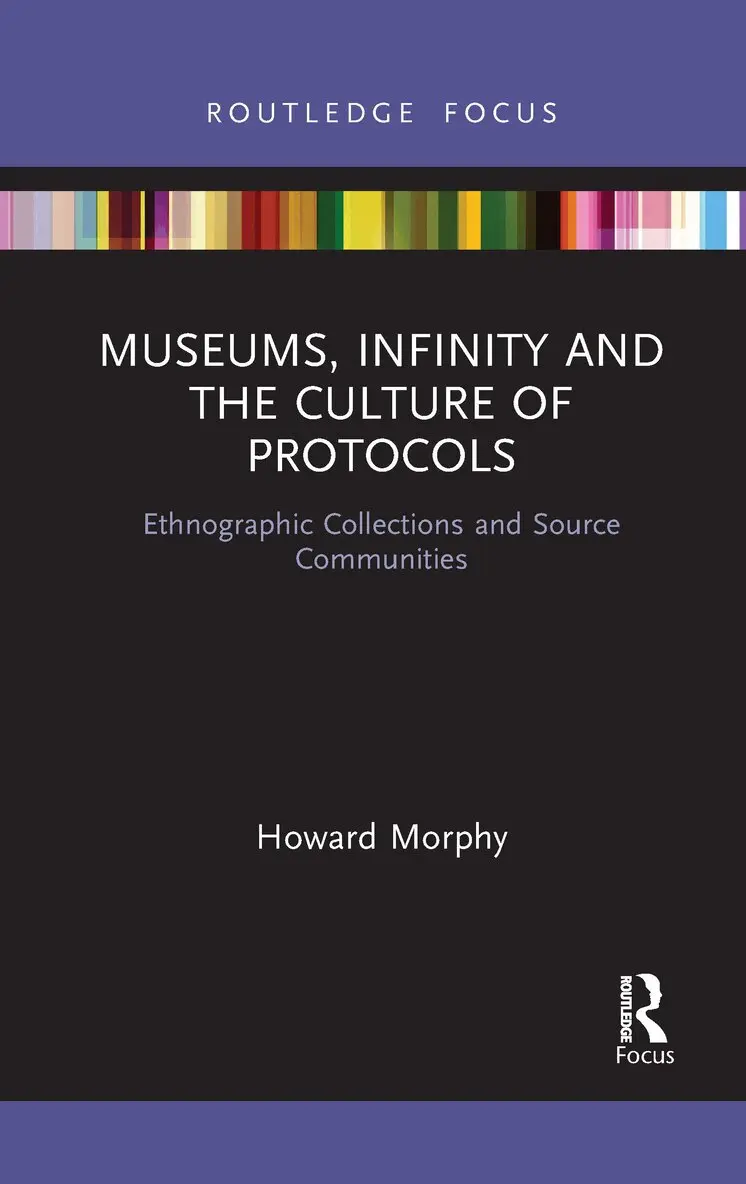
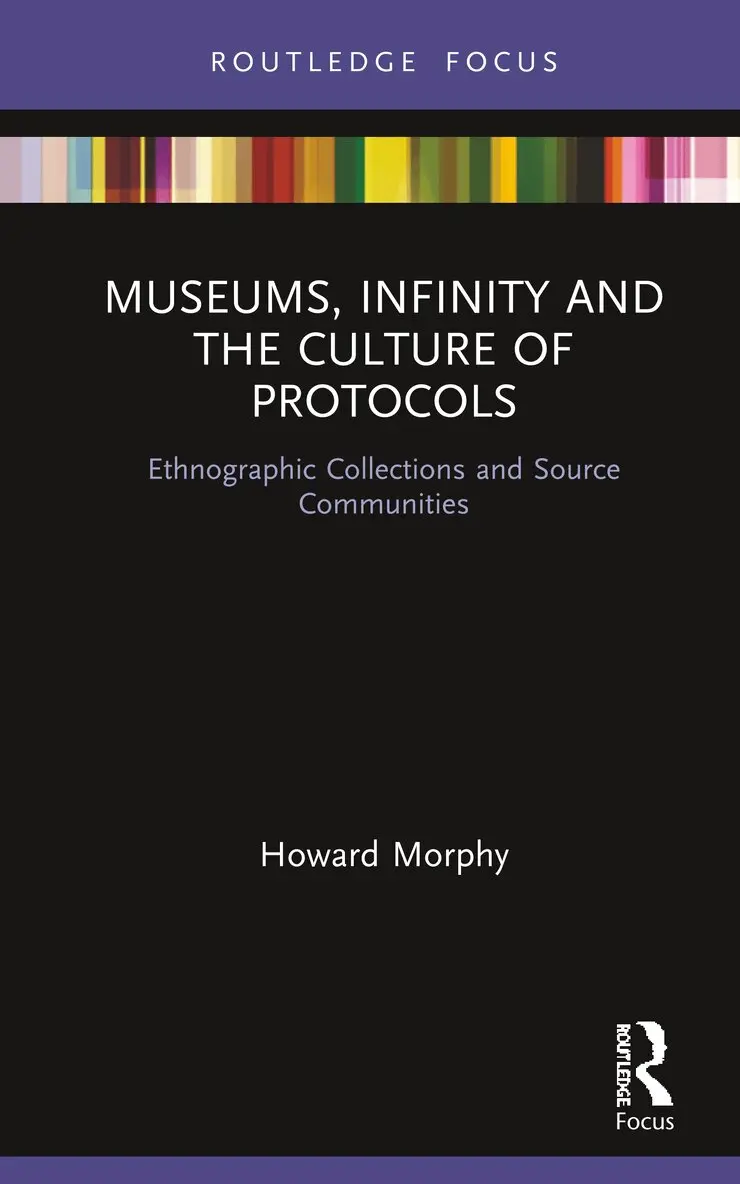
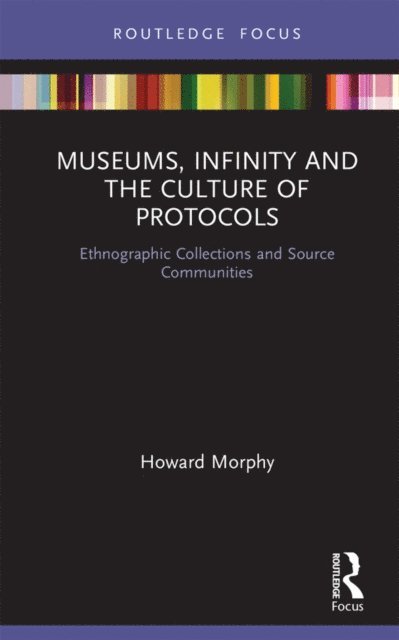
Museums, Infinity and the Culture of Protocols enters a dialogue about museums’ responsibility for the curation of their collections into an infinite future while also tackling contentious issues of repatriation and digital access to collections.
Bringing into focus a number of key debates centred on ethnographic collections and their relationship with source communities, Morphy considers the value material objects have to different ‘local’ communities – the museum and the source community – and the value-creation processes with which they are entangled. The focus on values and value brings the issue of repatriation and access into a dialogue between the two locals, questioning who has access to collections and whose values are taken into consideration. Placing the museum itself firmly at the centre of the debate, Morphy posits that museums constitute a kind of ‘local’ embedded in a trajectory of value.
Museums, Infinity and the Culture of Protocols challenges aspects of postcolonial theory that position museums in the past by presenting an argument that places relationships with communities as central to the future of museums. This makes the book essential reading for academics and students working in the fields of museum and heritage studies, anthropology, archaeology, Indigenous studies, cultural studies, and history.
1 022 kr
Läs direkt efter köp
1 022 kr
Läs direkt efter köp
1 716 kr
Skickas inom 7-10 vardagar
A Reader
595 kr
Skickas inom 7-10 vardagar
1 988 kr
Läs direkt efter köp
638 kr
Skickas inom 10-15 vardagar