
Häftad, Engelska, 1992
332 kr
Skickas inom 3-6 vardagar
332 kr
Skickas inom 3-6 vardagar
247 kr
Skickas inom 3-6 vardagar
312 kr
Läs direkt efter köp
163 kr
Skickas inom 7-10 vardagar
245 kr
Skickas inom 7-10 vardagar

192 kr
Läs direkt efter köp

125 kr
Läs direkt efter köp
138 kr
Läs direkt efter köp
215 kr
Skickas inom 7-10 vardagar
150 kr
Läs direkt efter köp

79 kr
Läs direkt efter köp
157 kr
Läs direkt efter köp
185 kr
Läs direkt efter köp
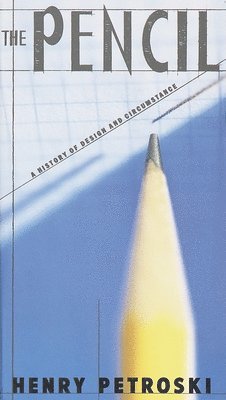
How did the table fork acquire a fourth tine? What advantage does the Phillips-head screw have over its single-grooved predecessor? Why does the paper clip look the way it does? What makes Scotch tape Scotch? In this delightful book Henry, Petroski takes a microscopic look at artifacts that most of us count on but rarely contemplate, including such icons of the everyday as pins, Post-its, and fast-food "clamshell" containers. At the same time, he offers a convincing new theory of technological innovation as a response to the perceived failures of existing products—suggesting that irritation, and not necessity, is the mother of invention.
From the Trade Paperback edition.
217 kr
Läs direkt efter köp
105 kr
Läs direkt efter köp
120 kr
Läs direkt efter köp
287 kr
Skickas inom 3-6 vardagar

219 kr
Skickas inom 7-10 vardagar
373 kr
Läs direkt efter köp
399 kr
Skickas inom 7-10 vardagar
250 kr
Skickas inom 10-15 vardagar
270 kr
Skickas inom 7-10 vardagar
228 kr
Skickas inom 7-10 vardagar
188 kr
Skickas inom 7-10 vardagar
413 kr
Skickas inom 3-6 vardagar
373 kr
Läs direkt efter köp

203 kr
Skickas inom 7-10 vardagar
251 kr
Skickas inom 7-10 vardagar
250 kr
Läs direkt efter köp
From the acclaimed author and engineer, an engaging and lively account of the surprising secret of great designDesign pervades our lives. Everything from drafting a PowerPoint presentation to planning a state-of-the-art bridge embodies this universal human activity. But what makes a great design? In this compelling and wide-ranging look at the essence of invention, distinguished engineer and author Henry Petroski argues that, time and again, we have built success on the back of failure—not through easy imitation of success.Success through Failure shows us that making something better—by carefully anticipating and thus averting failure—is what invention and design are all about. Petroski explores the nature of invention and the character of the inventor through an unprecedented range of both everyday and extraordinary examples—illustrated lectures, child-resistant packaging for drugs, national constitutions, medical devices, the world''s tallest skyscrapers, long-span bridges, and more. Stressing throughout that there is no surer road to eventual failure than modeling designs solely on past successes, he sheds new light on spectacular failures, from the destruction of the Tacoma Narrows Bridge in 1940 and the space shuttle disasters of recent decades, to the collapse of the World Trade Center in 2001.Petroski also looks at the prehistoric and ancient roots of many modern designs. The historical record, especially as embodied in failures, reveals patterns of human social behavior that have implications for large structures like bridges and vast organizations like NASA. Success through Failure—which will fascinate anyone intrigued by design, including engineers, architects, and designers themselves—concludes by speculating on when we can expect the next major bridge failure to occur, and the kind of bridge most likely to be involved.

214 kr
Läs direkt efter köp