Inbunden, Engelska, 2017
1 268 kr
Skickas inom 7-10 vardagar
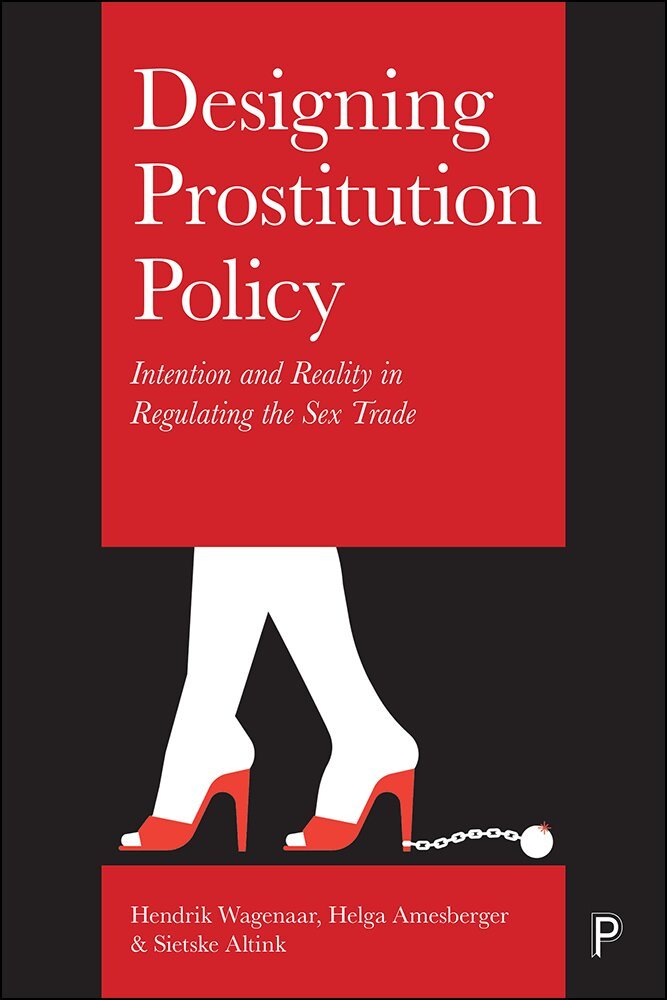
Available Open Access under CC-BY-NC licence.While the debate on regulating prostitution usually focuses on national policy, it is local policy measures that have the most impact on the ground. This book is the first to offer a detailed analysis of the design and implementation of prostitution policy at the local level and carefully situates local policy practices in national policy making and transnational trends in labour migration and exploitation. Based on detailed comparative research in Austria and the Netherlands, and bringing in experiences in countries such as New Zealand and Sweden, it analyses the policy instruments employed by local administrators to control prostitution and sex workers. Bridging the gap between theory and policy, emphasizing the multilevel nature of prostitution policy, while also highlighting more effective policies on prostitution, migration and labour exploitation, this unique book fills a gap in the literature on this contentious and important social issue.